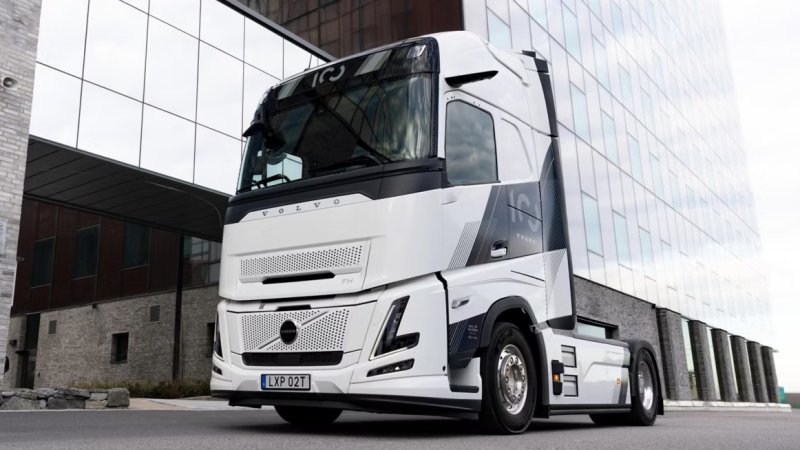










On 9 September 2025, Ceva Logistics presented a dedicated solution for the management of end-of-life electric vehicle batteries, setting the target of handling up to 80 per cent of Europe’s volumes within the next five years. The initiative, which foresees the creation of fifteen Battery Logistics Centres across ten countries, is part of the group’s strategy to develop a circular value chain to support the automotive industry in the shift towards electric mobility.
According to estimates from the S&P Global Production Forecast database, around eight million lithium-ion batteries will reach the end of their life cycle in Europe over the next five years. The combination of a growing electric fleet and stricter environmental regulations is accelerating the need for an integrated recycling supply chain, designed to cut the use of rare metals and reduce reliance on new extractions.
The first pilot centre has already been launched at Ceva’s Ghislenghien site in Belgium, where processes for collection, diagnostics and storage have been tested. By the end of 2025 the network will expand to France, the United Kingdom and Spain, while further openings are planned between 2026 and 2027 in Germany, Italy, Poland, Sweden, Switzerland, the Netherlands and the Czech Republic.
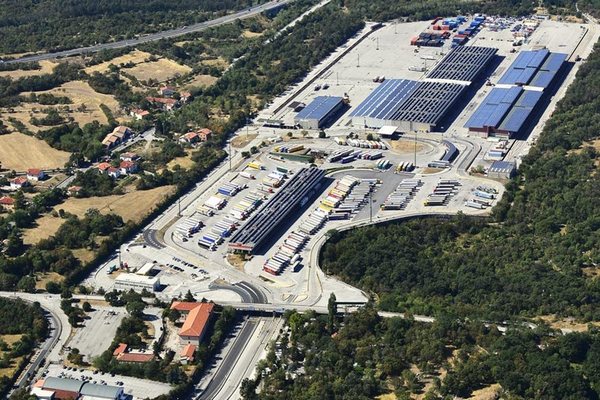
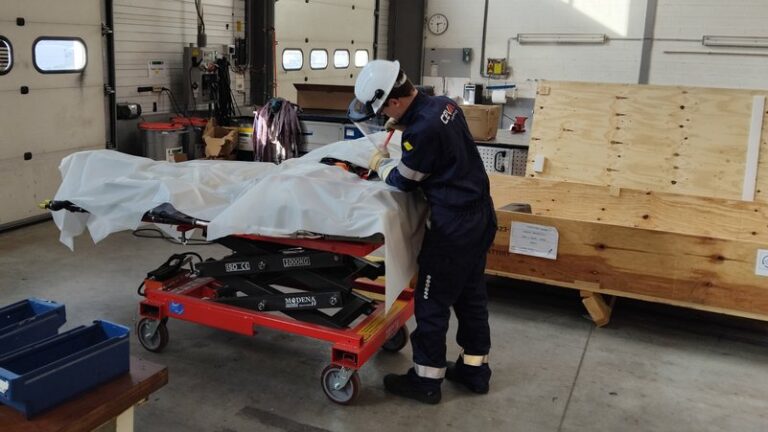
Each Battery Logistics Centre will be integrated into Ceva’s Finished Vehicle Logistics platforms and will include storage areas with temperature-controlled containers, continuous monitoring systems and workshops dedicated to discharge, dismantling and reconditioning operations. Batteries collected from dealerships, resellers and treatment facilities will be analysed to determine the most appropriate path: reuse in second-life applications or shipment to recycling plants.
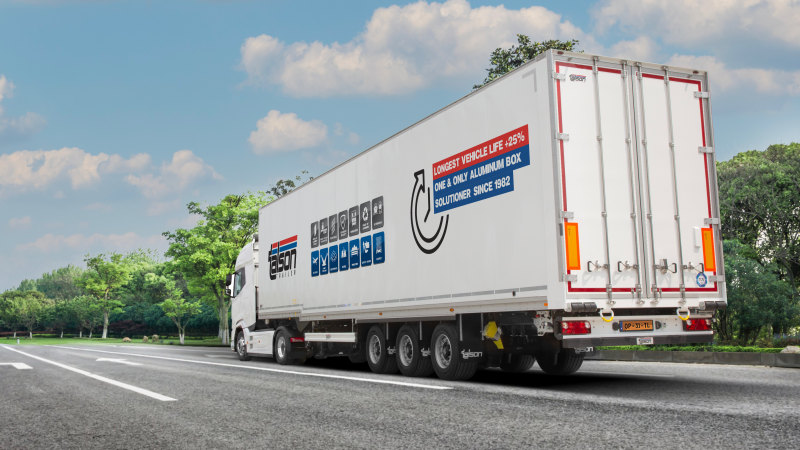
The reverse logistics solution is based on three pillars. First, the ability to collect and transport batteries across Europe, leveraging Ceva’s experience in Adr transport under the European Agreement concerning the International Carriage of Dangerous Goods by Road. Second, the provision of value-added services at the centres, including diagnostics and regeneration. Finally, full traceability of every battery throughout the chain, enabled by real-time monitoring systems.