




Array ( [0] => 8 [1] => 39 )

Podcast K44

Cronaca

  • Camionista spara a un collega con pistola scacciacani

    Camionista spara a un collega con pistola scacciacani

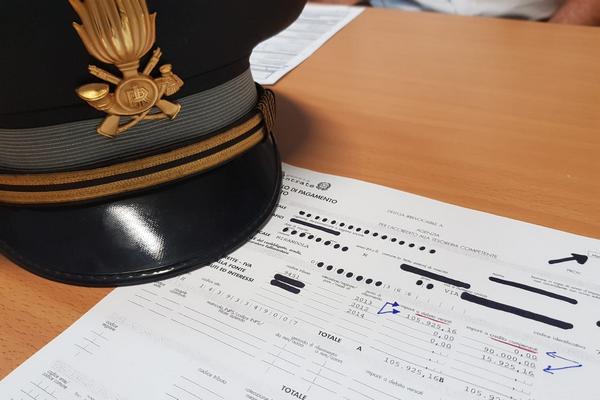
    Un camionista di 42 anni è stato denunciato dalla Polizia Stradale di Modena per minaccia aggravata dopo aver esploso un colpo con una pistola scacciacani contro un collega lungo l'A1, al culmine di una lite tra autotrasportatori nei pressi di Modena Nord.

Transpotalk

Normativa

Mare

  • Il tifone Dolphin ingolfa ancora il porto di Shanghai

    Il tifone Dolphin ingolfa ancora il porto di Shanghai

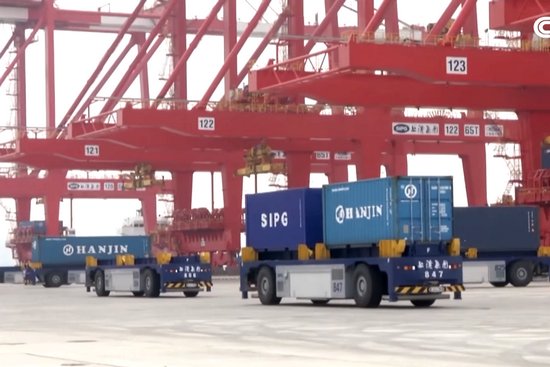
    Dieci giorni dopo il passaggio del ciclone Dolphin i terminal di Yangshan registrano attese fino a dieci giorni prima dell'ormeggio con oltre trenta navi in coda. Nel Nord Asia restano bloccati più di 2,4 milioni di teu di capacità.

Autotrasporto

  • Camion fermi allo Stretto di Messina sono un disagio cronico

    Camion fermi allo Stretto di Messina sono un disagio cronico

    La Lega Autisti Autotrasportatori Indipendenti Siciliani Nazionale denuncia attese fino a sei ore per l'imbarco a Tremestieri e al Porto Storico di Messina durante l'esodo estivo. Non è un caso isolato: il problema si trascina da anni, tra proteste, esposti e promesse rimaste in gran parte sulla carta.

    Too many anomalies, Switzerland revises freight train brake regulations

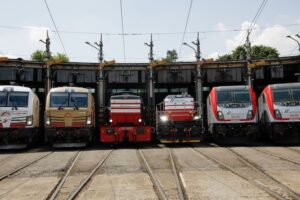
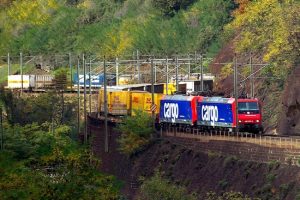
    Swiss railways have long taken a leading role among European networks in promoting measures to reduce noise generated by passing trains, especially freight trains. Passenger trains, in contrast, have a significantly lower acoustic impact as they replaced traditional cast-iron brake shoes with disc brakes some time ago, similar to those used in road vehicles. It is particularly during braking that trains generate the most noise disturbance, especially freight trains made up of long compositions of wagons and therefore numerous braked axles. For this reason, cast-iron brake blocks (GG) have been banned from the Swiss rail network since 2020. In their place, alternative solutions such as brake blocks marked with the initials LL (for low-noise-low-friction) have been developed. These LL blocks have seen widespread use in Europe, largely driven by the choices made by Swiss railways.

    It may seem paradoxical, but it is now Switzerland that is taking a step back. SBB will gradually discontinue the transport of freight wagons equipped with LL brake blocks, with most of them to be withdrawn from service by the end of 2025. Why such a drastic decision, which almost takes the shape of a plot twist? In truth, the reconsideration is not entirely sudden, as numerous incidents involving LL brake blocks causing overheating of wheel discs and potential damage to the discs have been known for some time.

    But the final blow came after the serious accident in August 2023 inside the Gotthard Base Tunnel, when a freight train derailed, causing damage to the infrastructure estimated at no less than 150 million euros and prompting a long closure of the tunnel for repairs. On 2 June 2025, the final report into the causes of the accident was presented by the Swiss Safety Investigation Service (SISI), which identified a broken wheel on one of the wagons involved as the source of the incident. The SISI report confirms the role played by LL brake blocks in what occurred. For this reason, the federal railways have decided to speed up the decommissioning plan for wagons equipped in this way.

    Of course, Switzerland alone would have a limited impact, which is why SBB is urging European authorities, such as the EU Agency for Railways (ERA), to take swift action. The federal railways believe that both in Switzerland and across Europe, the use of freight wagons with LL brake blocks should be restricted or even banned. That there were problems with these wagons is also known to other railway administrations.

    Does this mean going back to square one, with cast-iron blocks so heavily criticised for their acoustic impact? Not necessarily, as other alternatives exist on the market, although less widespread than the LL blocks. These include composite material brake blocks (K), which now represent the standard in Switzerland, replacing the previous system. K blocks are certainly preferable for their properties, but they come with a less favourable economic profile, as their use requires changes to the entire braking system downstream of the distributor, affecting all components from the cylinder to the linkage and block holders. Nonetheless, this path seems necessary to reconcile reduced noise impact with safety in freight transport.

    Piermario Curti Sacchi

    © TrasportoEuropa - Riproduzione riservata - Foto di repertorio
    Segnalazioni, informazioni, comunicati, nonché rettifiche o precisazioni sugli articoli pubblicati vanno inviate a: redazione@trasportoeuropa.it


      Puoi commentare questo articolo nella pagina Facebook di TrasportoEuropa

      bottone newsletter piccolo Vuoi rimanere aggiornato sulle ultime novità sul trasporto e la logistica e non perderti neanche una notizia di TrasportoEuropa? Iscriviti alla nostra Newsletter con l'elenco ed i link di tutti gli articoli pubblicati nei giorni precedenti l'invio. Gratuita e NO SPAM!


    CONTENUTI SPONSORIZZATI


Videocast K44

Aereo

  • Rallenta la crescita a luglio 2026 dei noli aerei

    Rallenta la crescita a luglio 2026 dei noli aerei

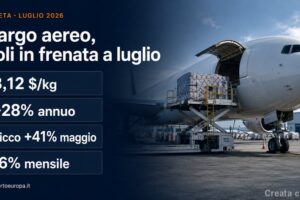
    I noli spot del trasporto aereo delle merci sono saliti del 28% su base annua a luglio, a 3,12 dollari per kg, ma il ritmo di crescita rallenta per il secondo mese consecutivo. Secondo Xeneta il mercato affronta una seconda metà del 2026 più debole, con pochi segnali di stagione …

Ferrovia

  • FS Logistix avvia la sperimentazione dell’Hvo

    FS Logistix avvia la sperimentazione dell’Hvo

    Il biocarburante Hvo alimenta due locomotive in prova in Mercitalia Rail, i locomotori di manovra di Santo Stefano Magra e Valdellora e ventuno veicoli industriali Euro VI. Nel 2025 ne sono stati consumati 19mila litri, con circa 40 tonnellate di anidride carbonica evitate rispetto al gasolio fossile.

Persone

  • L’autotrasporto perde Maurizio Longo

    L’autotrasporto perde Maurizio Longo

    Dopo una lunga malattia, il 11 agosto 2026 è morto Maurizio Longo, segretario generale di Trasportounito, associazione dell’autotrasporto di cui è stato anche tra i fondatori dopo anni di lavoro nella Fita Cna.
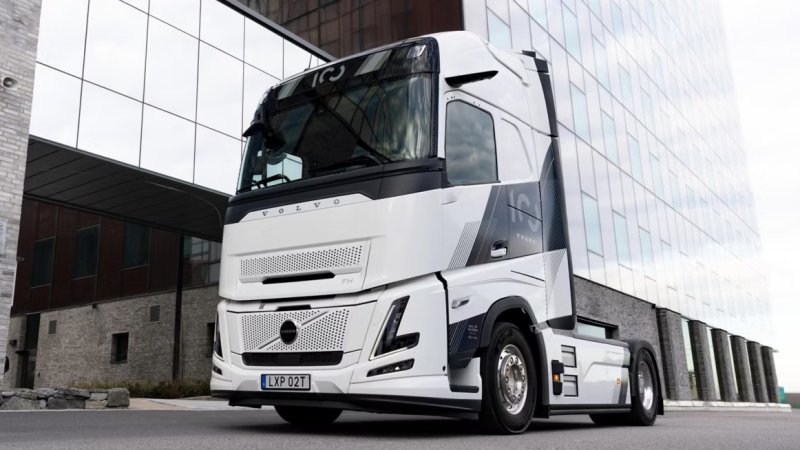
Un Volvo FH speciale per i cent’anni della Casa svedese

TECNICA

Un Volvo FH speciale per i cent’anni della Casa svedese
previous arrow
next arrow
Si allarga il perimetro del ciberattacco a Ceva Logistics

LOGISTICA

Si allarga il perimetro del ciberattacco a Ceva Logistics
previous arrow
next arrow
Perché il gasolio corre mentre il greggio frena

ENERGIE

Perché il gasolio corre mentre il greggio frena
previous arrow
next arrow
Un agente IA di Trimble dedicato alla logistica

SERVIZI

Un agente IA di Trimble dedicato alla logistica
previous arrow
next arrow