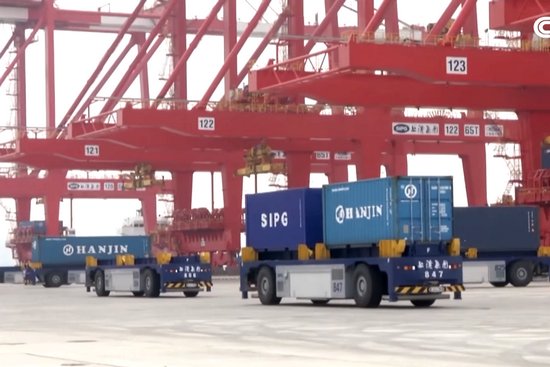








The Belgian port of Antwerp-Bruges has become the focal point of a labour dispute that has led to three days of strike action. The first took place on 28 April 2025, when traffic control centre staff walked out, completely halting vessel movements, especially those on inland waterways. Estimates suggest that between 300 and 500 vessels were unable to enter or leave the port. A second strike occurred on 20 May as part of a nationwide protest, blocking at least 74 ships and requiring 48 hours for operations to return to normal.
The third strike took place on 25 June and primarily affected the pilotage service. In practice, twenty-eight ships were unable to schedule arrivals or departures. The delays caused by these strikes are compounding existing chronic congestion, with vessel waiting times reaching 55 hours and container yard dwell times exceeding eight days.
The demands of Antwerp-Bruges port workers are part of a broader national protest against the pension reform proposed by the government, which, according to the trade unions Btb-Abvv, Aclvb and Acv-Transcom, would reduce the income of maritime workers. Union representatives claim that future pensions for young seafarers would fall from 2,400 euros to 1,900 euros, while harbour pilots risk losing up to 45 percent of their retirement income.
Another demand concerns the so-called “loonwet” (wage law) of 1996, which freezes wage increases and forces workers to negotiate within an almost non-existent margin. Antwerp dockworkers are also mobilising for improved workplace safety. Their demands in this area include the implementation of standardised checklists for lashing teams and the creation of a European safety inspection database. Unions are also calling for specific protective measures for port workers handling asbestos.
The Dutch port of Rotterdam has also experienced a lengthy industrial dispute, involving the major Apm container terminal at Maasvlakte II. A strike began on 4 June, following the breakdown of talks over the renewal of the collective agreement. The protest led to long waiting times for ships, exceeding eighty hours and peaking at up to ten days. The unions Fnv Havens and Cnv Vakmensen suspended the strike on 12 June after reaching an agreement with the management of Apm Terminals Maasvlakte II, which includes wage increases to be implemented between 1 January 2025 and 31 December 2027.