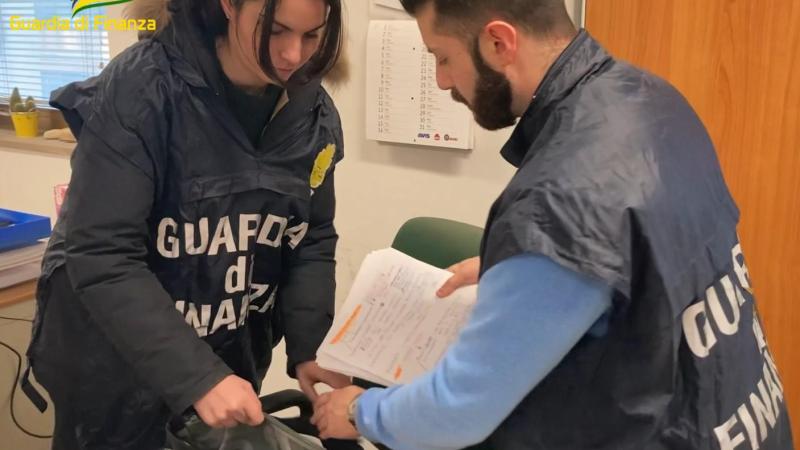





A major operation has struck the fuel sector, which has proven to be fertile ground for infiltration by organised crime. On 26 June 2025, the provincial command of the financial police in Reggio Calabria, Italy, supported by the central investigative service on organised crime, executed the confiscation of assets worth over 140 million euros, linked to five entrepreneurs from Reggio Calabria, as part of Operation Andrea Doria. The operation was coordinated by the anti-mafia district directorate of Reggio Calabria, led by acting chief prosecutor Giuseppe Lombardo, and was enacted by the preventive measures section of the local court. The measures were implemented both in Italy and in Germany.
At the heart of the investigation is a fraudulent scheme in the sector of petroleum product trade and transport. The ongoing trial proceedings have uncovered a complex mechanism based on fictitious corporate operations aimed at evading VAT and excise duties through the illicit use of so-called declarations of intent, a tool that allows purchases to be made without VAT. Those involved are alleged to have structured an elaborate commercial and logistical chain, managing the entire journey of the petroleum product from tax warehouses to roadside fuel stations, using a network of shell companies, commercial depots and local intermediaries.
Investigations by the financial police indicate that the entrepreneurs targeted by the confiscation measures, who remain presumed innocent until a final judgment, were allegedly colluding with organised crime. Some of them are reported to be affiliated with 'Ndrangheta clans entrenched in the Gioia Tauro plain and the Locride area, tasked with laundering illicit proceeds through their businesses operating in fuel trade and transport.
Asset investigations revealed that the wealth held by the suspects was entirely disproportionate to their declared economic capacities. Initially, the Reggio Calabria court ordered the seizure of assets worth approximately 122 million euros, including companies, real estate, vehicles, luxury watches, cash and financial assets located both in Italy and abroad. Following further investigations, the measure was extended to include additional assets valued at around 19 million euros, including properties in Calabria, Lazio and Piedmont, and bank accounts held in other countries.
The total portfolio of confiscated business assets includes 28 companies, three of which are based in Germany, active in wholesale petroleum product trade, container maintenance and repair, property rental and freight transport. These are joined by an individual agricultural enterprise and shares in a property company. Also confiscated were 79 properties, including land and buildings across the provinces of Reggio Calabria, Catanzaro, Rome, Frosinone and Novara, along with 85 commercial and private vehicles, a motorcycle, seven other registered vehicles, eight buildings – six of them in Rome – four luxury watches, one million euros in cash and numerous financial assets held abroad.