






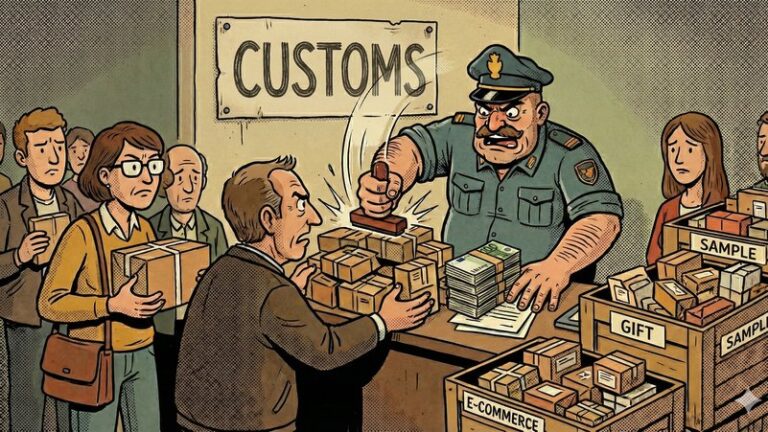
- From 1 July 2026, EU Regulation 2026/382 abolishes the €150 exemption on imports from outside the EU: a flat-rate duty of €3 applies to each customs item in a shipment, not to each parcel. A basket containing four different product categories therefore generates a duty of €12 rather than €3.
- The measure affects a market that grew from 4.6 billion imported parcels in 2024 to 5.9 billion in 2025, more than 90% of them from China. Intercontinental air traffic linked to e-commerce is expected to contract in favour of sea and rail freight, with growth in B2B warehousing hubs in Poland, Hungary and Cyprus.
- In Italy, the national charge of €2, which would have raised the levy to €5 per shipment, has been suspended until 1 October 2026 following simulations by Confetra on a possible 50% loss of air cargo traffic to airports such as Liège, Frankfurt and Schiphol, to the detriment of Malpensa and Fiumicino.
From 1 July 2026, the abolition of the customs exemption known as the de minimis threshold has been in force across the European Union. Until yesterday, this exempted shipments worth less than €150 from third countries from customs duties. Council Regulation EU 2026/382 replaces it with a transitional flat-rate duty of €3 for each customs item in e-commerce imports, in force until 1 July 2028, when the European customs hub, the EU Customs Data Hub, will make it possible to apply the Common Customs Tariff to each product according to its Harmonised System code. The reform affects a market that has grown rapidly: low-value parcels imported into the Union rose from 4.6 billion in 2024 to 5.9 billion in 2025, an average of around 16 million shipments a day. More than 90% originate in China, where e-commerce platforms based on direct-to-consumer sales models have used the exemption to place unprecedented volumes on the single market, to the disadvantage of European sellers subject to stricter production and tax requirements.
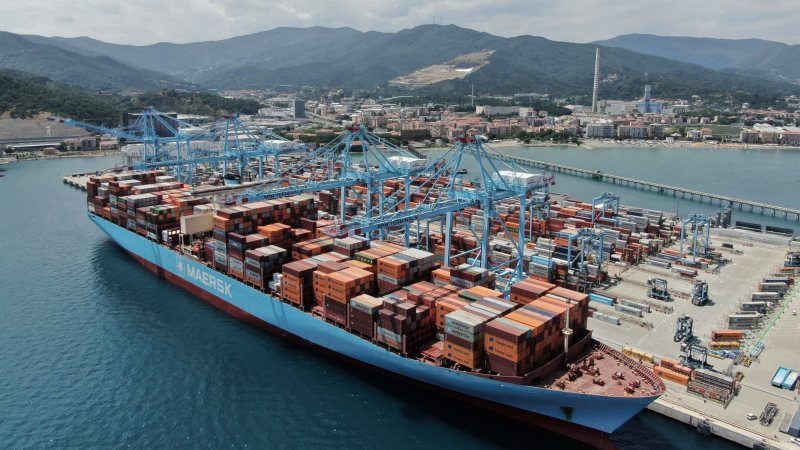
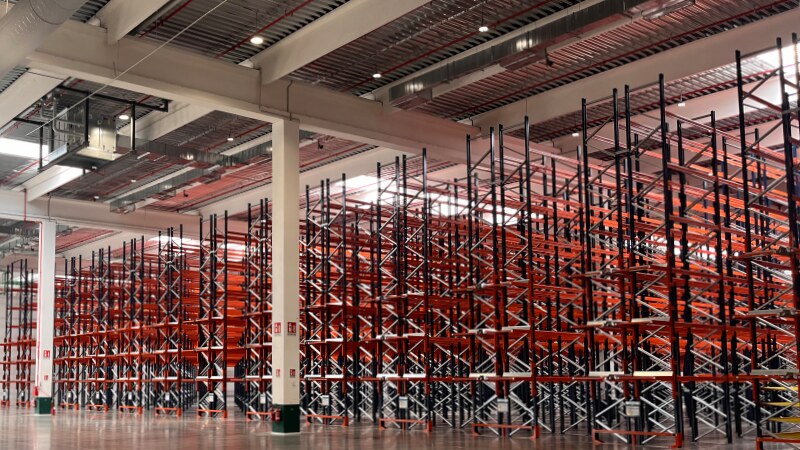
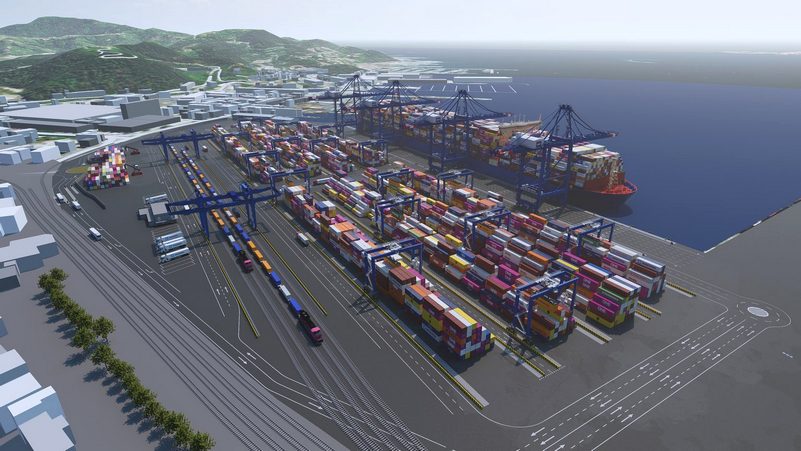
Will this innovation change logistics flows? It is already doing so. The duty per individual item makes the fragmented import of low-value products less attractive, undermining the cross-border direct-to-consumer delivery model that has supported low-cost e-commerce for years. The alternative that Asian platforms are adopting is consolidation in large batches through traditional B2B channels, with ordinary percentage-based duties that are often lower than the fixed €3 flat rate. This is driving the growth of logistics hubs and distribution centres in the European Union, so-called B2B warehousing, concentrated in Poland, Hungary and hubs such as Cyprus, where goods arrive by sea or via the rail corridors of the Belt and Road Initiative. Once released into free circulation at customs terminals, the goods become Union goods and subsequent sales to final consumers are treated as intra-EU traffic, exempt from the duty on small non-EU parcels and from further cross-border checks. This transition implies a contraction in intercontinental air cargo volumes linked to e-commerce, to the benefit of sea and rail freight and growing demand for third-party logistics and warehousing services on European soil.
The Italian context has proved particularly sensitive because of overlapping legislation. The 2026 Budget Law introduced a national administrative charge of €2 for each non-EU shipment under €150, which, when added to the European duty, would have raised the fixed levy to €5 per shipment, plus VAT. Simulations by Confetra indicate a concrete risk that Italy could become Europe’s most expensive logistics node for e-commerce transit, with a potential loss of 50% of national air cargo traffic to airports such as Liège, Frankfurt and Schiphol, where goods would be customs-cleared before continuing by road to Italy. According to the confederation, against additional revenue estimated at just €32 million between July and November 2026, the diversion of flows would have deprived Italian customs of the opportunity to physically inspect the goods.
The risk closely concerns airport handlers operating at Milan Malpensa and Rome Fiumicino. At the Rome airport, volumes handled by some operators rose from 830,000 kilograms in 2022 to more than 13.2 million kilograms at the start of 2024. At the Lombardy airport, growth was similar, from 1.1 million to 11.4 million kilograms over the same period. Through Decree-Law 38/2026 and the subsequent Infrastructure Decree, the Government suspended the entry into force of the national charge, postponing it to 1 October 2026 and aligning itself with France’s decision to suspend its own tax to avoid overlaps with the EU measure.
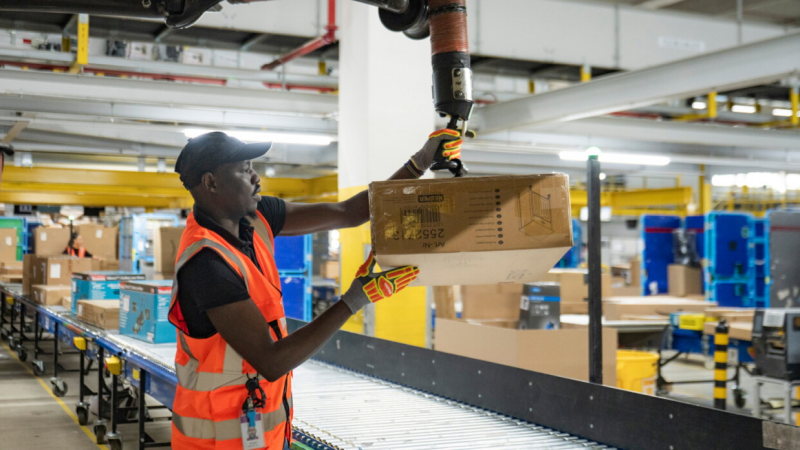
From 1 November 2026, the transmission of Product Identifiers will also become mandatory for all imported distance sales, after being optional from 1 July. These comprise three codes: the Merchant Product Identifier, the SKU with which the seller identifies the online listing; the Manufacturer Product Identifier, the reference assigned by the original manufacturer; and the Standardised Product Identifier, the global identifier such as GTIN, UPC or EAN, where one exists. Inspections carried out in the European Union in 2025 found that more than 60% of checked products from Asian e-commerce channels, including cosmetics, toys and consumer electronics, did not comply with safety standards on labelling, CE documentation or banned substances. Management of these data falls to express couriers and third-party logistics providers, which are investing to update their automated classification platforms and connect them directly to e-commerce platforms.
The next expected step is the European handling fee, of around €2, applied to the entire shipment rather than to each individual customs item. It is expected in the autumn, indicatively in November 2026, unless there are delays in the delegated acts. The transitional flat-rate regime will in any case remain in force until 1 July 2028, when the European customs hub will allow the Common Customs Tariff to be applied precisely to each individual item imported into the European Union.
Antonio Illariuzzi