




Array ( [0] => 8 [1] => 10155 )

Podcast K44

Cronaca

  • Camionista spara a un collega con pistola scacciacani

    Camionista spara a un collega con pistola scacciacani

    Un camionista di 42 anni è stato denunciato dalla Polizia Stradale di Modena per minaccia aggravata dopo aver esploso un colpo con una pistola scacciacani contro un collega lungo l'A1, al culmine di una lite tra autotrasportatori nei pressi di Modena Nord.

Transpotalk

Normativa

Mare

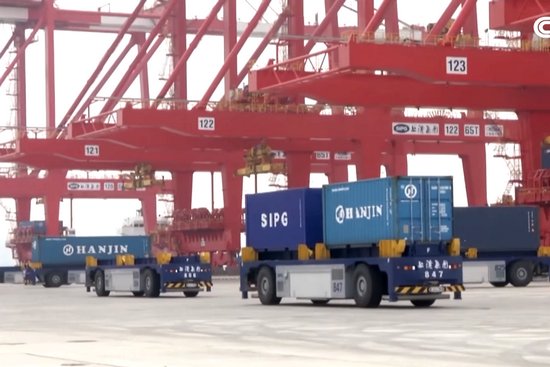
  • Il tifone Dolphin ingolfa ancora il porto di Shanghai

    Il tifone Dolphin ingolfa ancora il porto di Shanghai

    Dieci giorni dopo il passaggio del ciclone Dolphin i terminal di Yangshan registrano attese fino a dieci giorni prima dell'ormeggio con oltre trenta navi in coda. Nel Nord Asia restano bloccati più di 2,4 milioni di teu di capacità.

Autotrasporto

  • Camion fermi allo Stretto di Messina sono un disagio cronico

    Camion fermi allo Stretto di Messina sono un disagio cronico

    La Lega Autisti Autotrasportatori Indipendenti Siciliani Nazionale denuncia attese fino a sei ore per l'imbarco a Tremestieri e al Porto Storico di Messina durante l'esodo estivo. Non è un caso isolato: il problema si trascina da anni, tra proteste, esposti e promesse rimaste in gran parte sulla carta.

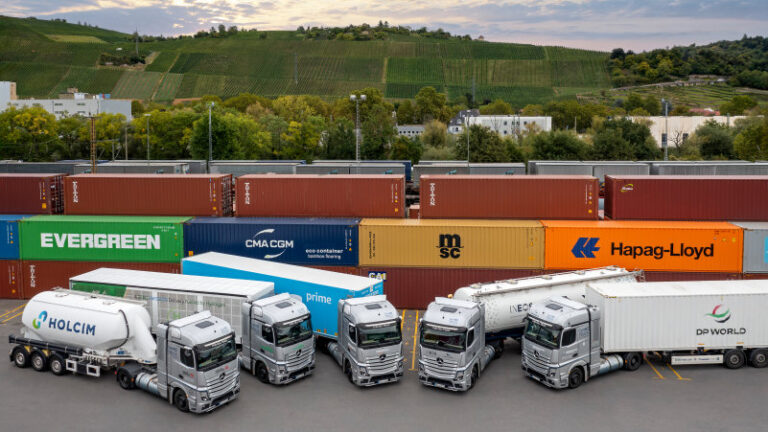
    The Mercedes hydrogen trucks tested on the road

    Foto: Mercedes-Benz Trucks

    Mercedes-Benz Trucks announced on 3 September 2025 that the five GenH2 Truck units deployed with Air Products, Amazon, Holcim, Ineos Inovyn and Wiedmann & Winz had together passed the significant milestone of 225,000 kilometres. These are electrically driven trucks whose electricity is generated by hydrogen fuel cells, and the German manufacturer entrusted them to the five operators for everyday transport duties. The vehicles have been used in real-world conditions on a variety of routes in Germany, recording average hydrogen consumption between 5.6 and 8 kilograms per 100 kilometres with gross vehicle weights ranging from 16 to 34 tonnes. They completed 285 refuellings at the Woerth am Rhein and Duisburg stations, consuming around 15 tonnes of liquid hydrogen in total. The decision to use liquid hydrogen proved crucial, as its higher energy density delivers ranges in excess of 1,000 kilometres and refuelling times of just ten to fifteen minutes—parameters that make the GenH2 directly comparable to diesel trucks in operational terms.

    The trials covered a broad spectrum of applications. Amazon deployed the trucks on dedicated routes between its logistics centres, Air Products used them to transport gas in cylinders, Wiedmann & Winz operated them in combined container transport on behalf of DP World, Holcim tested them in cement distribution across Germany and the Netherlands, while Vervaeke, partner to Ineos Inovyn, employed the vehicles for the transport of PVC and vinyl. Mercedes says the hydrogen trucks integrated smoothly into daily operations in all these settings, delivering reliability and flexibility. Drivers praised the quietness, the dynamically delivered power and the driving comfort, attributes that help make the technology immediately familiar compared with conventional vehicles. Michael Scheib, head of vehicle development at Mercedes-Benz Trucks, emphasised the value of the tests, noting that real-world use has demonstrated performance, reliability and efficiency while producing valuable data to refine the technology ahead of series production.

    Positive feedback does not, however, remove the remaining challenges. The state of the refuelling infrastructure remains a central issue and is still insufficient to support large-scale roll-out. By 2030 Europe will need at least two thousand hydrogen refuelling stations to enable mass adoption of fuel-cell trucks. Cost is another hurdle: at present the total cost of ownership (TCO) is not competitive with diesel because of the high purchase price of the vehicles, the cost of hydrogen and insurance premiums.

    Despite these difficulties, Daimler Truck is looking ahead. A second phase of trials is scheduled from the fourth quarter of 2025 involving five additional customers, and the Woerth plant is already preparing for small-series production: one hundred fuel-cell vehicles will be assembled and put into service from 2026. The company’s overall strategy remains two-pronged, focusing on both battery and hydrogen vehicles. Full industrialisation of fuel-cell trucks is, however, expected only in the early 2030s, by which time infrastructure and costs are projected to support a mature market.


    © TrasportoEuropa - Riproduzione riservata - Foto di repertorio
    Segnalazioni, informazioni, comunicati, nonché rettifiche o precisazioni sugli articoli pubblicati vanno inviate a: redazione@trasportoeuropa.it


      Puoi commentare questo articolo nella pagina Facebook di TrasportoEuropa

      bottone newsletter piccolo Vuoi rimanere aggiornato sulle ultime novità sul trasporto e la logistica e non perderti neanche una notizia di TrasportoEuropa? Iscriviti alla nostra Newsletter con l'elenco ed i link di tutti gli articoli pubblicati nei giorni precedenti l'invio. Gratuita e NO SPAM!



    CONTENUTI SPONSORIZZATI


Videocast K44

Aereo

  • Rallenta la crescita a luglio 2026 dei noli aerei

    Rallenta la crescita a luglio 2026 dei noli aerei

    I noli spot del trasporto aereo delle merci sono saliti del 28% su base annua a luglio, a 3,12 dollari per kg, ma il ritmo di crescita rallenta per il secondo mese consecutivo. Secondo Xeneta il mercato affronta una seconda metà del 2026 più debole, con pochi segnali di stagione …

Ferrovia

  • FS Logistix avvia la sperimentazione dell’Hvo

    FS Logistix avvia la sperimentazione dell’Hvo

    Il biocarburante Hvo alimenta due locomotive in prova in Mercitalia Rail, i locomotori di manovra di Santo Stefano Magra e Valdellora e ventuno veicoli industriali Euro VI. Nel 2025 ne sono stati consumati 19mila litri, con circa 40 tonnellate di anidride carbonica evitate rispetto al gasolio fossile.

Persone

  • L’autotrasporto perde Maurizio Longo

    L’autotrasporto perde Maurizio Longo

    Dopo una lunga malattia, il 11 agosto 2026 è morto Maurizio Longo, segretario generale di Trasportounito, associazione dell’autotrasporto di cui è stato anche tra i fondatori dopo anni di lavoro nella Fita Cna.
Un Volvo FH speciale per i cent’anni della Casa svedese

TECNICA

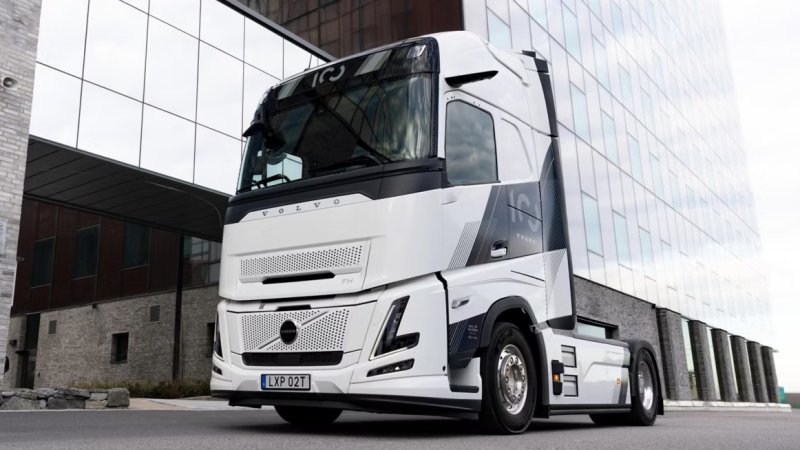
Un Volvo FH speciale per i cent’anni della Casa svedese
previous arrow
next arrow
Si allarga il perimetro del ciberattacco a Ceva Logistics

LOGISTICA

Si allarga il perimetro del ciberattacco a Ceva Logistics
previous arrow
next arrow
Perché il gasolio corre mentre il greggio frena

ENERGIE

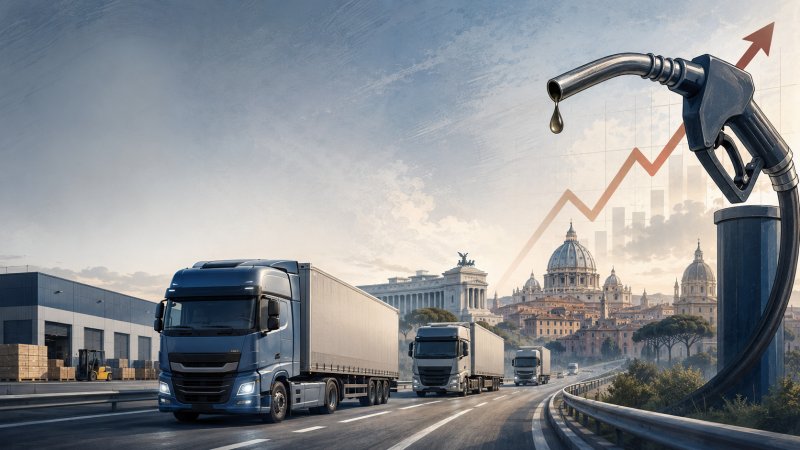
Perché il gasolio corre mentre il greggio frena
previous arrow
next arrow
Un agente IA di Trimble dedicato alla logistica

SERVIZI

Un agente IA di Trimble dedicato alla logistica
previous arrow
next arrow