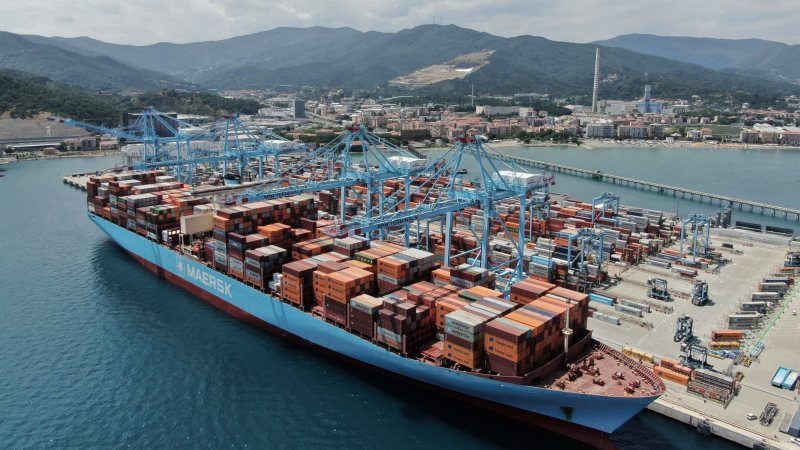






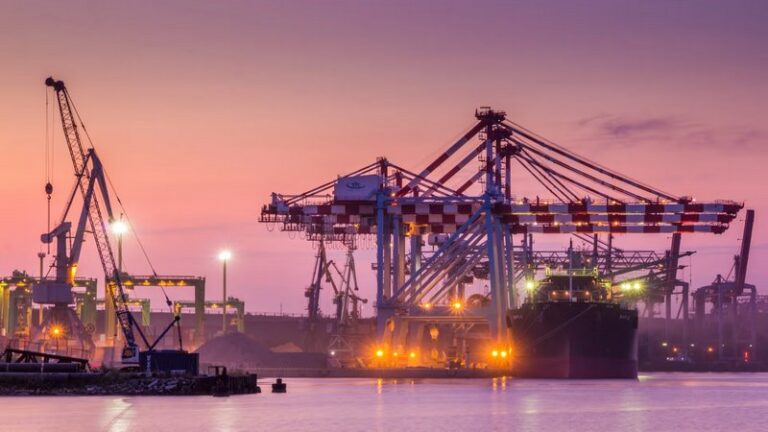
- Msc has finalised the acquisition of a 51% stake in Tis Container Terminal at the port of Pivdennyi, a deep-sea facility with draughts of up to 15 metres and a design capacity of 400,000 TEU a year. The stake is held indirectly by Diego and Alexa Aponte, each with 25.5%. Ukrainian media have described the deal as "the deal of the decade" for the country’s port sector.
- The transaction forms part of a broader plan launched in 2025: through its intermodal subsidiary Medlog, Msc acquired 50% of N'Unit and 25% of the Mostyska rail terminal, on the border with Poland. The result is an integrated corridor connecting the Black Sea ports with EU rail networks.
- Msc’s entry also marks the end of Dp World’s direct presence at Pivdennyi, which began in 2020 and was sold to the Tis group in March 2026, before being transferred to the Aponte family. However, the presence of the world’s largest shipping line as controlling shareholder raises questions over access conditions for other carriers.
Mediterranean Shipping Company finalised the acquisition of a 51% stake in Tis Container Terminal at the port of Pivdennyi, in the Odessa region on the Black Sea, between the end of May and the beginning of June 2026. The holding is owned indirectly by Diego Aponte and Alexa Aponte, with 25.5% each, giving them a combined controlling stake. The remaining shares are still held by the historic Ukrainian partners in the Tis group: about 11.7% by Yehor Hrebennikov, 9.7% by Andrii Stavnitser and 9.2% by Oleh Kutateladze. The structure follows Msc’s established practice of entering ports it considers strategic through corporate vehicles linked to the Aponte family, while maintaining operational cooperation with local shareholders.
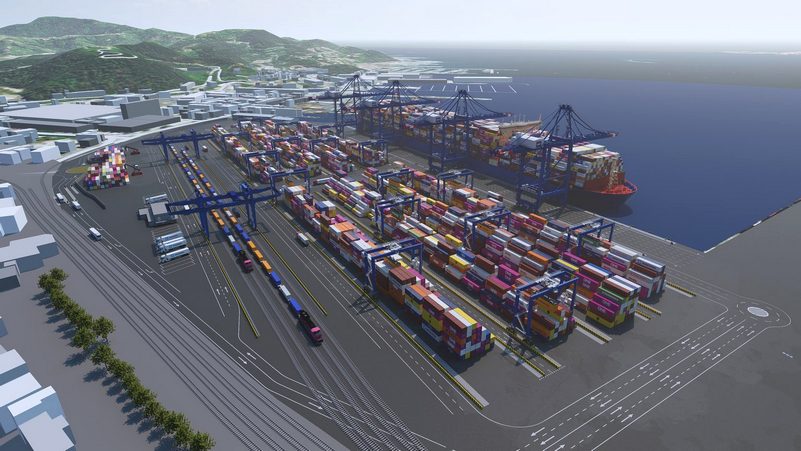
Tis Container Terminal is Ukraine’s leading private terminal operator in the Odessa region, with activities ranging from containers to dry bulk, grain and other bulk cargo. The asset has a quay of about 600 linear metres, draughts of up to 15 metres and a design capacity of around 8 million tonnes, equal to about 400,000 TEU a year, making it the deepest container terminal in the country. In 2020, before the war disrupted trade flows in the region, container traffic stood at around 245,000 TEU, with double-digit growth compared with 2019, confirming development potential that has not yet been fully realised.
The deal closes a cycle that began in June 2020, when the Emirati group DP World acquired 51% of the terminal, renamed it DP World Tis Pivdennyi and integrated it into its Black Sea network, which already linked the ports of Constanţa in Romania and Yarimca in Turkey through Unifeeder. In March 2026, DP World sold its stake to the Tis group, which regained full control of the terminal and related activities, including the towage operations of P&O Maritime Ukraine. A few months later, Msc acquired 51% from the Ukrainian shareholder group, in a handover that local media described as one of the most important infrastructure moves in Ukraine’s port sector in recent years.
The acquisition of Pivdennyi is not an isolated operation, but the latest piece in a strategy that Msc is systematically building in Ukraine. In May 2025, through Medlog, the subsidiary that manages the group’s inland and intermodal activities, Msc acquired 50% of the intermodal operator N'Unit, New Ukrainian Network of Intermodal Terminals, in a deal valued at between $15 million and $30 million, around €13.8 million to €27.6 million, according to Forbes Ukraine. N'Unit operates a network of intermodal terminals in Vyshneve, in the Kyiv area, Kharkiv, Dnipro and the Lviv region, with integrated grain warehouses, and works along the country’s main economic corridors by combining road and rail traffic.
The same 2025 transaction also saw Medlog, a company controlled by Msc, acquire 25% of the Mostyska rail terminal, a hub located between Lviv and the Medyka crossing on the Ukraine-Poland axis. Mostyska is a hub for transferring containers between Ukraine’s broad-gauge railway and the European standard gauge, and is considered a key asset for cross-border rail flows. The terminal is jointly owned by Lemtrans, part of Rinat Akhmetov’s Scm group, and Yehor Hrebennikov, a shareholder also linked to the Tis group, creating an industrial axis involving Msc, Tis and Scm on Ukraine’s western border. According to industry analysts, the acquisition of Mostyska was the first major investment in Ukrainian rail assets by a large international logistics operator since the start of the Russian invasion, with symbolic value extending beyond its strictly commercial scale.
Completing the picture, in 2024 Ukraine’s Antimonopoly Commission, the competition authority, approved Msc’s entry into Hhla with a stake of up to 49.9%, while 50.1% remains in the hands of the city of Hamburg. Through this holding, Msc gains indirect exposure to Container Terminal Odessa, managed by Hhla since 2001 and the country’s leading container gateway before the war. The agreement provides for investments to modernise the group’s terminals, including the Odessa facility, and to integrate the ports in the network with Metrans rail infrastructure and central and eastern European hubs. The overall result is a multi-level presence: maritime access through the two terminals in the Odessa-Pivdennyi cluster, an intermodal network spread across the main inland industrial areas and a gateway to the EU at Mostyska.
Pivdennyi, together with Odessa and Chornomorsk, is one of the three main deep-sea ports in the region, with direct access to the Black Sea and corridors towards the Mediterranean, the Middle East and Asia. In a context marked by war and operational restrictions on the Bosphorus, the port has a pivotal role for alternative routes. The combination of maritime terminals on the Black Sea and rail gateways at the Polish border strengthens the option of mixed corridors, combining sea and rail, for Ukrainian exports and imports, reducing reliance on overland corridors to the EU and on the Romanian port window of Constanţa. Some analyses, however, point out that the strong concentration of assets under a single maritime carrier raises questions over terminal neutrality and future access conditions for other major container carriers, in a market that could return to rapid growth over the medium term if security and insurance conditions improve.
M.L.