



The Port of Rotterdam experienced a modest 0.7% drop in total cargo traffic in 2024, handling 435.8 million tonnes compared to 438.8 million the year before. This decline, primarily attributed to reduced coal and crude oil traffic, occurred against a backdrop of growing geopolitical tensions and market uncertainties. In contrast to the overall decrease, the container segment showed positive growth, rising by 2.8% to 13.8 million TEU, driven by increased consumer spending. Other sectors also saw gains, including iron ore and scrap, petroleum products, and other dry bulk cargo.
"Last year, we found ourselves as a stable port in turbulent international waters," stated Boudewijn Siemons, CEO of the Port of Rotterdam Authority. "Geopolitical tensions and regional conflicts have impacted the global economy, leading to market uncertainties. Economic growth in Europe has lagged behind other regions, which is reflected in traffic and business investment at the Port of Rotterdam. Despite global conflicts, we have demonstrated resilience as a port and continue to invest in the port of the future."
Dry bulk traffic increased by 0.8% compared to the same period last year, mainly driven by higher iron ore and scrap traffic. This segment grew by 5.7% to 29.7 million tonnes, supported by a slight rise in steel production in Germany, stock replenishments in the first half of the year, and increased re-exports of iron ore. The other dry bulk segment (industrial minerals, non-ferrous minerals, fertilisers, salt, etc.) recorded a 21.5% increase. Coal traffic declined by 18% due to low demand for thermal coal for power generation, as cheaper gas and renewable energy sources gained market share.
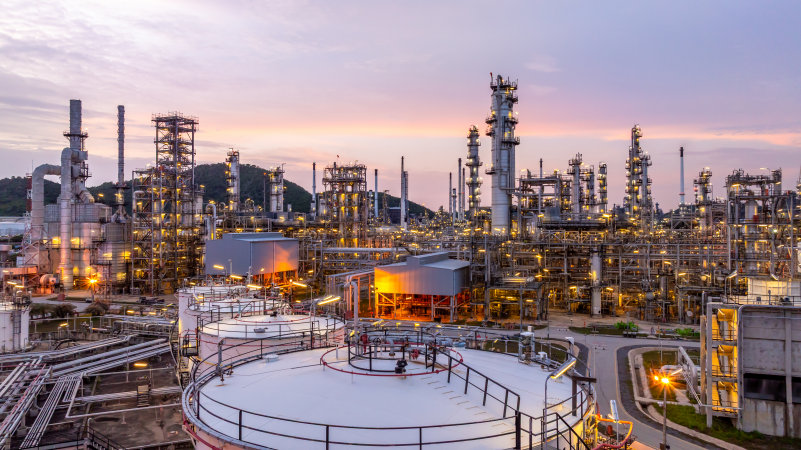
Liquid bulk traffic fell by 2.7% to 200 million tonnes. Crude oil traffic decreased by 4.5% to 97.8 million tonnes due to refinery maintenance in Rotterdam and inland facilities. Petroleum product traffic increased by 0.8%, driven by higher trade in fuel oil and increased demand for kerosene. Diesel traffic declined due to weaker demand. LNG traffic dropped by 5.3% as, similar to the rest of Europe, imports fell due to high inventory levels. Other liquid bulk traffic declined by 2.2%, mainly due to lower volumes of renewable fuels.
Container traffic in 2024 rose by 2.5% in tonnage to 133.4 million tonnes and by 2.8% in TEU to 13.8 million TEU. Growth in the container segment can be attributed to increased European consumer spending. Wage indexation and declining inflation led to higher disposable income and greater demand for consumer goods and food products.
Ro-ro traffic remained stable, bolstered by a strong fourth quarter, supported by the introduction of new services and larger vessels. The breakbulk segment saw a 3.7% decline. Other breakbulk traffic dropped by 10% due to reduced steel and non-ferrous product traffic, driven by weaker demand from European industry and sanctions on Russian aluminium.
The Dutch port launched several projects in 2024 to support the energy transition. Construction began on the Porthos project for CO2 transport and storage, with the compression station construction starting in the second half of the year. From 2026, captured CO2 will be pressurised at this station before being transported via an offshore pipeline to a depleted gas field beneath the North Sea.
Construction is also in full swing on a hydrogen pipeline across the port and Shell’s hydrogen plant. Additionally, new agreements were signed for shore power use with container terminals at Maasvlakte, while shore power installation for Rotterdam Cruise Terminal is now complete and will be operational after a testing phase in spring 2025.
Clarity has also been provided on the development of the Delta Rhine Corridor. While a four-year delay had previously been announced for the development of hydrogen and CO2 networks, a decision was made at the end of last year to prioritise these infrastructures. The hydrogen pipeline is now expected to be completed in 2031/2032, and the CO2 pipeline in 2032/2033.
Rotterdam is also implementing digitalisation projects. To better counter cyber threats, port authorities within the Association of Dutch Seaports (BoZ) have decided to collaborate with businesses in their regions to enhance the digital resilience of the port ecosystem. The Ferm Foundation, already active for the ports of Rotterdam and Moerdijk, will be transformed into a national cybersecurity platform for Dutch seaports united within BoZ.
In the fight against drug-related crime, the Port Authority is supporting the implementation of the Secure Chain. This public-private partnership aims to improve the digital resilience of supply chains against crime and theft. The fundamental principle of the Secure Chain is that each link in the supply chain explicitly identifies the next, making it impossible to illicitly remove a container from the terminal. All major shipping lines and container terminals now operate through the Secure Chain, and since its introduction, over 630,000 import containers at the Port of Rotterdam have been handled securely and reliably. In February 2025, the final shipping regions, Asia and Oceania, will be added to the system.
From a financial perspective, the port’s strong position enabled an 11% increase in gross investments to €320.6 million. Major investments in 2024 included further development of quay walls for the expansion of container terminals at Prinses Amaliahaven (€42.5 million), construction of the Porthos CO2 transport and storage project (€39.4 million), widening of the Yangtzekanaal (€22.5 million), and development of the Portlantis exhibition centre (€12.8 million).
The Port Authority recorded a solid financial year in 2024. Revenue rose by 4.8% to €882.0 million. Operating expenses increased by 8.7% to €318.5 million, due to wage indexation and higher operational expenses for port maintenance and management. Consequently, earnings before interest, depreciation, and taxes (EBITDA) rose by 2.7% to €563.5 million. Net profit increased by €40.2 million to €273.7 million.
The main sources of revenue are land lease income and port dues. Land lease income grew by €41.6 million to €508.6 million, driven by new contracts, price adjustments, and contract expansions. Port dues revenue declined by 0.9% in 2024 to €336.5 million due to a negative price effect caused by the increased size of tanker and container ship calls. As vessels reroute around the Cape of Good Hope, fewer ships are sailing to Europe, but those that do carry heavier loads.