




Although Spain holds the record for the fastest and most effective use of EU funds allocated to infrastructure, having developed Europe’s largest high-speed rail network with 4,000 kilometres of lines, Romania has also made good use of the funding granted by Brussels and is now seeing the results, even though many investments remain to be made. Romania joined the European Union in January 2007. After the early years spent achieving effective integration into the EU framework, it was over the past 15 years that the country began investing in infrastructure, particularly rail infrastructure. A large share of European resources has been provided by the Cohesion Fund, the European Union financial instrument for member states with gross national income per capita below 90% of the EU average. The 2021-2027 programme finances infrastructure, environmental and energy projects in 15 countries, mainly in eastern and southern Europe.
Romania has been allocated a total of €10bn over these years. Thanks to this funding, modernisation, upgrading and new-build works have been carried out on 600 kilometres of railway, while work is under way on a further 900 kilometres of the national network, with an estimated investment of €6bn. To understand the scale of these investments, it is worth noting that Romania’s railways, Căile Ferate Române (CFR), extend for just over 10,000 kilometres of standard-gauge track, of which around 4,000 kilometres are electrified using the modern European standard of 25 kV alternating current at industrial frequency.
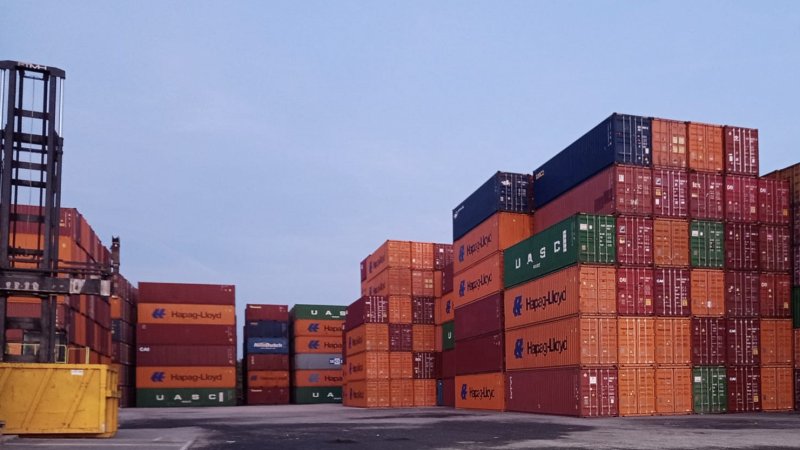
European Union funding has mainly been directed towards the routes included in the TEN-T network and their related corridors in Romania, particularly the Rhine-Danube corridor and the more recently established Baltic-Black Sea-Aegean corridor. More than 80% of the resources has been committed to the major modernisation of the Rhine-Danube route, which links Curtici, a border hub with Hungary, to Constanța, Romania’s most important port and the largest gateway on the Black Sea, especially for containers.
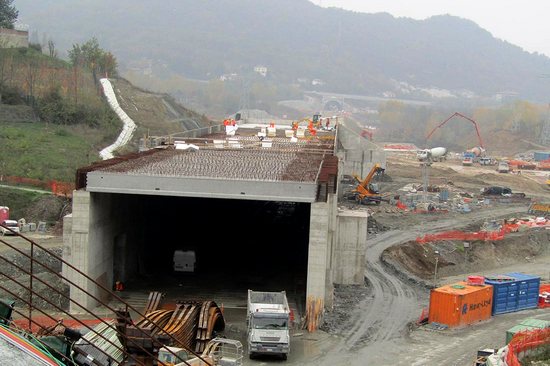
This corridor extends for more than 800 kilometres and forms the country’s main rail axis, serving Timișoara and the capital, Bucharest. Numerous new engineering works are planned along this railway route, including two long tunnels now under construction between Brașov and Sighișoara, in the Transylvania region, which are due to be completed in 2028. Meanwhile, progress on the works from Sighișoara to Simeria, towards Timișoara, covering around 180 kilometres, is close to 100%.
The main aim of these investments is to create a fast and efficient connection for freight as well as passengers, in order to enhance what is Romania’s key asset: the port of Constanța. Major investments have already been concentrated there to strengthen links with the main rail network. For this reason, Romania’s railways are focusing significant resources on the development of intermodality, as well as on extending network electrification in line with European standards. To support freight transport and therefore interoperability, one of the priority objectives is to upgrade the entire network to an axle load of 22.5 tonnes, while also enabling the operation of 740-metre trains, all under electric catenary.
Piermario Curti Sacchi