

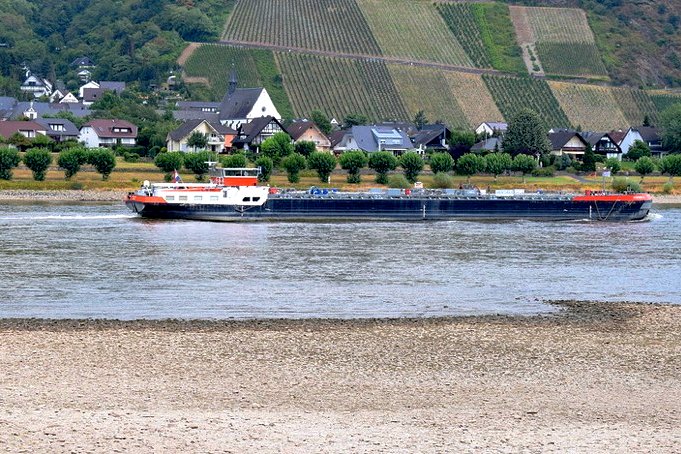





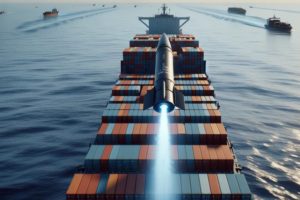


Two Ukrainian naval drones sank the Russian container ship Yanina overnight between 31 July and 1 August 2026. The vessel is owned by shipping company Fesco, which is controlled by the state nuclear energy agency Rosatom. The attack took place in international waters, about 130 nautical miles, or around 240 kilometres, off the port of Novorossiysk on the eastern coast of the Black Sea. All 17 crew members were rescued, with no injuries reported.
According to Rosatom chief executive Alexei Likhachev, the two drones hit the hull at around 22:00 Moscow time, causing breaches that led the vessel to sink in the following hours. The crew abandoned ship "in an organised and coordinated manner" as it began taking on water, the company said, describing the incident as an act of piracy and robbery at sea. Likhachev added that the Yanina was carrying only civilian goods, including frozen food, building materials and finishing materials. According to international news agencies, there is no indication that the vessel was engaged in activities linked to Rosatom’s nuclear business or that it was carrying nuclear material.
Ukrainian President Volodymyr Zelensky confirmed the attack in a message posted on social media, describing the Yanina as a Russian container ship "under sanctions" with a cargo capacity of more than 100,000 tonnes, hit "thanks to the precision of Ukraine’s defence forces". The action against the vessel was part of a broader coordinated operation carried out by Ukrainian forces on the same night. Long-range drones struck three refineries belonging to the Bashneft group in Ufa, in Russia’s Bashkortostan region, about 1,600 kilometres from the border, as well as radar positions in Krasnodar and Crimea.
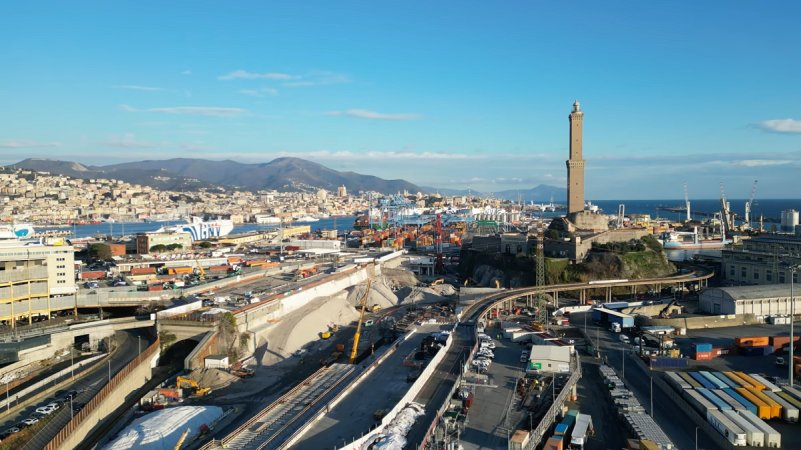
Fesco is one of Russia’s main maritime transport and logistics companies and came under Rosatom’s control in 2023. The state nuclear energy agency has progressively expanded its logistics activities, managing routes and supply chains beyond the energy sector in the strict sense. Novorossiysk, off whose coast the attack took place, has taken on a growing role over the past two years as a Russian logistics and military hub in the Black Sea, partly following the partial redeployment of the Russian Fleet from Sevastopol to ports considered safer. The attack on the Yanina is part of Kyiv’s campaign against commercial and logistics shipping linked to the Russian economy in the basin. In recent weeks, surface drone operations against tankers, support vessels and auxiliary craft of the Russian Federation have intensified. According to some estimates, not officially confirmed, Ukrainian forces have struck more than 90 vessels in less than a week in the Sea of Azov alone.
During the same period, the naval battle in the Black Sea also saw incidents of the opposite kind. On 19 July, the merchant vessel Golden Leo, operated by a Turkish shipowner and sailing under the Guinea-Bissau flag, was hit by three Russian cruise missiles off Odessa while carrying a cargo of maize. It sank on 26 July after several days of progressive flooding, with casualties among the crew, according to the Ukrainian Navy. The day after that attack, the LPG tanker Gas Lisbon, sailing under the Liberian flag and bound for the Ukrainian port of Reni, caught fire overnight between 20 and 21 July after being struck in Romania’s exclusive economic zone. The 17 crew members were rescued, three of them injured. Romanian President Nicușor Dan said the incident was very probably attributable to Russia’s war of aggression against Ukraine.
Antonio Illariuzzi