




Array ( [0] => 8 [1] => 10155 )

Podcast K44

Cronaca

  • 17 camionisti arrestati a Savona per furto di gasolio

    17 camionisti arrestati a Savona per furto di gasolio

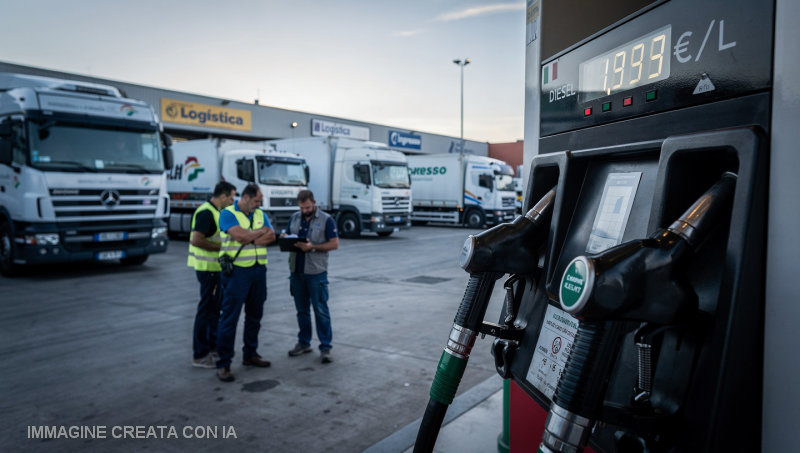
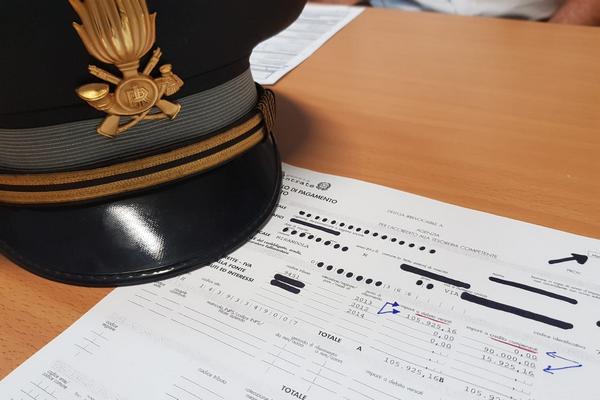
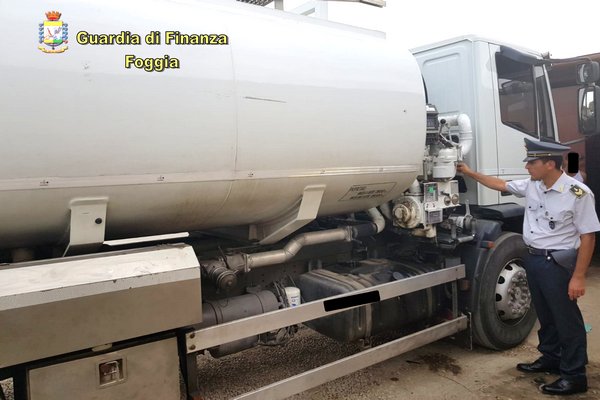
    Un’indagine della Guardia di Finanza nel deposito fiscale carburanti di Vado Ligure ha coinvolto diciassette autotrasportatori, col sequestro di oltre 3.700 litri di gasolio. Il prodotto veniva sottratto durante il carico e rivenduto fuori circuito a prezzi inferiori.

Normativa

Mare

  • Cibertruffa anche sui pedaggi nello Stretto di Hormuz

    Cibertruffa anche sui pedaggi nello Stretto di Hormuz

    Il blocco del traffico marittimo trasforma lo Stretto di Hormuz in un terreno fertile per frodi sofisticate: attori sconosciuti impersonano online le Autorità iraniane e chiedono pagamenti in bitcoin per garantire il transito, con conseguenze che rischiano di costare alle vittime ben più del denaro versato.

Autotrasporto

  • Video | Strade pari: Nicoleta tra maternità e cabina

    Video | Strade pari: Nicoleta tra maternità e cabina

    “Ho fatto tutta la scuola guida incinta. L’ultimo esame, quello della CE, l’ho dato con il pancione. Poi sono andata a partorire. È stata un’esperienza bellissima, ne sono fiera”. La testimonianza di Nicoleta apre il secondo episodio del videocast “Strade Pari-Viaggio nell’equità di genere nel trasporto”», la miniserie prodotta da …

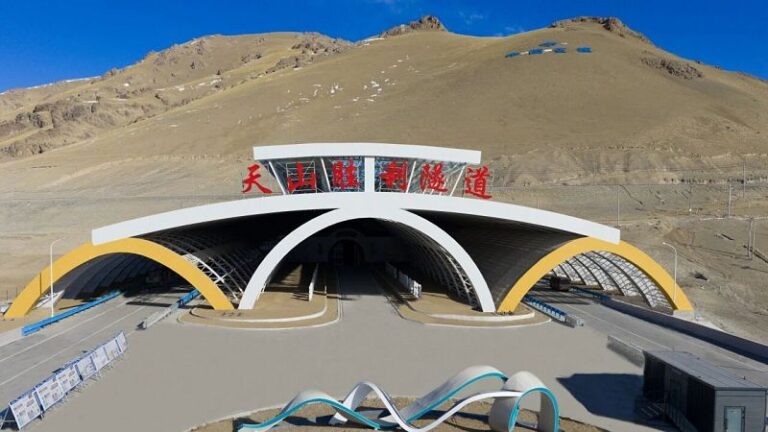
    The world’s longest road tunnel opens in China

    Foto: China Communications Construction Company Limited

    On 26 December 2025, the Tianshan Shengli road tunnel was officially opened in the Xinjiang Uyghur Autonomous Region. With a length of 22.13 kilometres, it becomes the longest motorway tunnel in the world. The structure cuts through the Tianshan mountain range and represents the technological core of the G0711 Urumqi–Yuli expressway, a strategic 324.7-kilometre corridor built with a total investment of 46.7 billion yuan, equivalent to around €5.668 billion. The work was carried out by China Communications Construction Company Limited.

    The project was driven by the need to overcome one of Xinjiang’s main infrastructural bottlenecks, where road links between the Junggar Basin in the north and the Tarim Basin in the south were constrained by mountain passes subject to seasonal closures. With the tunnel now in operation, crossing the Tianshan range takes around twenty minutes, compared with the several hours previously required.

    From a structural perspective, the Tianshan Shengli is designed as a complex underground system based on what engineers termed the “three tunnels plus four vertical shafts” scheme. Two parallel main tunnels carry vehicular traffic on a total of four lanes, built to motorway standards with a design speed of 100 km/h. Between them runs a third central service tunnel, dedicated to safety, rescue operations, maintenance and plant systems.

    This configuration separates traffic flows from support infrastructure, improving emergency management and reducing operational risks in a tunnel of exceptional length. Regularly spaced cross passages between the three tunnels allow rapid evacuation of users and access for emergency services in the event of an incident.

    The alignment reaches a maximum overburden depth of 1,112.2 metres below ground level. Along this stretch, the project includes four vertical shafts, which were crucial both during construction and for the operation of the infrastructure. Shaft number two, with a depth of 707 metres, is the deepest ever built for a motorway tunnel. According to the designers, these shafts play an essential role in ventilation, smoke extraction in the event of fire, emergency access and the transport of materials and personnel.

    Tunnel excavation required the use of advanced boring technologies, particularly for the central service tunnel, which was driven by two large-diameter full-face tunnel boring machines designed and built in China. The TBMs, named Tianshan and Shengli, are 282 metres long, weigh around 2,000 tonnes and have an excavation diameter of 8.43 metres. Each machine is equipped with 58 rotating cutters and was engineered to operate in highly variable geological conditions.

    The two TBMs worked simultaneously from the northern and southern sides of the mountain range, advancing towards the centre of the massif. Average excavation rates ranged between 15 and 20 metres per day, with a peak of 33.16 metres in a single day and a monthly record of 528 metres. Project data indicate that the use of these machines achieved advance rates five to seven times higher than traditional drill-and-blast methods.

    Alongside mechanised excavation, a key role was played by the construction strategy known as “long tunnel, short excavation”. Thanks to the vertical shafts and cross passages, the number of working faces was multiplied, moving beyond the two main portals to numerous intermediate excavation points. At certain stages of the works, up to seven excavation faces were active simultaneously, with more than 1,200 workers and hundreds of machines operating daily. This organisation reduced the overall construction time to 52 months, compared with the original estimate of 72 months.

    Geological conditions proved to be one of the most critical aspects of the entire project. The tunnel crosses 16 geological fault zones, characterised by alternating hard rock, friable materials and sections subject to high geostatic pressures. In some areas, rock stress reached values of 21.8–22 megapascals, with the risk of sudden and violent rock bursts. Elsewhere, particularly along the F-6 fault zone, water inflows exceeding 10,000 cubic metres per day were recorded, according to technical reports released during construction.

    Environmental conditions added further complexity. The site lies at an average altitude above 3,000 metres, with a mean annual temperature of –5.4°C and minimum temperatures falling to –41.5°C. Reduced oxygen levels and working windows limited by weather conditions affected shift organisation and the design of systems to support the workforce.

    From a structural and systems standpoint, the tunnel was designed to ensure high safety standards. The infrastructure incorporates a ventilation system sized for the record length of the tunnel, firefighting networks with water curtains and misting, fire detection sensors and an extensive network of emergency connections. There are 81 pedestrian escape routes and 30 vehicular escape routes, as well as five rescue stations capable of intervening within five minutes from any point in the tunnel.

    Operations are managed through a digital platform based on the digital twin concept. A virtual replica of the entire infrastructure allows real-time monitoring of structural conditions, systems and traffic, integrating data from around 1,000 cameras and 50,000 control devices. The tunnel is fully covered by a 5G network, built to support continuous data transmission and operational coordination.

    Particular attention was paid to environmental protection during construction. The western alignment was selected to minimise impacts on glaciers, high-altitude grasslands and watercourses. Three wastewater treatment plants, two inside the tunnel and one outside, enabled 100% reuse of treated water in compliance with national Class II surface water standards.

    Pietro Rossoni

    © TrasportoEuropa - Riproduzione riservata - Foto di repertorio
    Segnalazioni, informazioni, comunicati, nonché rettifiche o precisazioni sugli articoli pubblicati vanno inviate a: redazione@trasportoeuropa.it


      Puoi commentare questo articolo nella pagina Facebook di TrasportoEuropa

      bottone newsletter piccolo Vuoi rimanere aggiornato sulle ultime novità sul trasporto e la logistica e non perderti neanche una notizia di TrasportoEuropa? Iscriviti alla nostra Newsletter con l'elenco ed i link di tutti gli articoli pubblicati nei giorni precedenti l'invio. Gratuita e NO SPAM!



    CONTENUTI SPONSORIZZATI


Videocast K44

Aereo

  • Il cargo aereo italiano punta verso l’intelligenza artificiale

    Il cargo aereo italiano punta verso l’intelligenza artificiale

    Il 51% delle imprese del cargo aereo italiano ha già adottato soluzioni d’intelligenza artificiale o avviato progetti pilota, una quota destinata a salire al 77% nei prossimi tre anni. È quanto emerge dall’ottavo Convegno Osservatorio Cargo Aereo organizzato da Anama.

Ferrovia

  • Nuovo collegamento ferroviario Bologna-Marcianise

    Nuovo collegamento ferroviario Bologna-Marcianise

    FS Logistix e Anita attivano un nuovo servizio ferroviario intermodale tra Bologna e Marcianise, estendibile fino a Catania con una sola prenotazione. L’iniziativa nasce in risposta all’aumento del costo del carburante e punta a ridurre emissioni e costi operativi.

Persone

Volvo presenta il camion elettrico da 700 km

TECNICA

Volvo presenta il camion elettrico da 700 km
Yale aumenta la sicurezza dei pedoni nella logistica

TECNICA

Yale aumenta la sicurezza dei pedoni nella logistica
Still automatizza carico e scarico dei camion

TECNICA

Still automatizza carico e scarico dei camion
Amazon vuole portare i robot dal magazzino alla porta di casa

TECNICA

Amazon vuole portare i robot dal magazzino alla porta di casa
Linde MH presenta i carrelli retrattili Ri al LogiMat

TECNICA

Linde MH presenta i carrelli retrattili Ri al LogiMat
previous arrow
next arrow
Sogedim alleata con Fortune per il project cargo

LOGISTICA

Sogedim alleata con Fortune per il project cargo
Alis chiede al Governo misure contro l’aumento dei costi

LOGISTICA

Alis chiede al Governo misure contro l’aumento dei costi
Amazon seleziona il personale per la logistica di Jesi

LOGISTICA

Amazon seleziona il personale per la logistica di Jesi
Rhenus amplia automazione logistica in Polonia

LOGISTICA

Rhenus amplia automazione logistica in Polonia
Gls avvia servizio per gestione resi dell’e-commerce

LOGISTICA

Gls avvia servizio per gestione resi dell’e-commerce
previous arrow
next arrow
Operazione Red Gold contro frode nei carburanti in Abruzzo

ENERGIE

Operazione Red Gold contro frode nei carburanti in Abruzzo
Quattro indagati per uso stradale di gasolio agricolo nel Salento

ENERGIE

Quattro indagati per uso stradale di gasolio agricolo nel Salento
Il taglio delle accise è prorogato fino al primo maggio

ENERGIE

Il taglio delle accise è prorogato fino al primo maggio
Petrolio sopra 110 dollari al barile dopo dichiarazioni di Trump

ENERGIE

Petrolio sopra 110 dollari al barile dopo dichiarazioni di Trump
Scoperti a Fiumicino i vampiri del carburante per aerei

ENERGIE

Scoperti a Fiumicino i vampiri del carburante per aerei
previous arrow
next arrow
Nasce Synlog Alliance consorzio dati per la logistica

SERVIZI

Nasce Synlog Alliance consorzio dati per la logistica
Sogedim potenzia le spedizioni per America Latina con Eagle Service

SERVIZI

Sogedim potenzia le spedizioni per America Latina con Eagle Service
Leviahub cresce in Spagna con due acquisizioni

SERVIZI

Leviahub cresce in Spagna con due acquisizioni
Trans.eu cresce in Italia con la borsa carichi relazionale

SERVIZI

Trans.eu cresce in Italia con la borsa carichi relazionale
L’evoluzione della borsa carichi autotrasporto è relazionale

SERVIZI

L’evoluzione della borsa carichi autotrasporto è relazionale
Padrosa realizzerà un parcheggio per camion ad Alessandria

SERVIZI

Padrosa realizzerà un parcheggio per camion ad Alessandria
Leviahub e Pionira accelerano sull’adozione dell’eCmr

SERVIZI

Leviahub e Pionira accelerano sull’adozione dell’eCmr
Trans.eu avvia il pagamento sicuro per l’autotrasporto europeo

SERVIZI

Trans.eu avvia il pagamento sicuro per l’autotrasporto europeo
Sanilog rinnova nel 2026 il piano sanitario per lavoratori della logistica

SERVIZI

Sanilog rinnova nel 2026 il piano sanitario per lavoratori della logistica
L’IA si sta sempre più integrando nel trasporto

SERVIZI

L’IA si sta sempre più integrando nel trasporto
Scania amplia la rete di assistenza nel Lazio

SERVIZI

Scania amplia la rete di assistenza nel Lazio
Nuovi contributi per cibersicurezza alle Pmi e autonomi

SERVIZI

Nuovi contributi per cibersicurezza alle Pmi e autonomi
Dkv Mobility presenta un nuovo software per gestione trasporti

SERVIZI

Dkv Mobility presenta un nuovo software per gestione trasporti
Forto nomina Matteo Caiti Country Manager Italia

SERVIZI

Forto nomina Matteo Caiti Country Manager Italia
Nuove tecnologie Geotab per il trasporto refrigerato

SERVIZI

Nuove tecnologie Geotab per il trasporto refrigerato
previous arrow
next arrow