

Array ( [0] => 8 [1] => 41 )

Podcast K44

Cronaca

  • Un evento per ricordare Lorenzo Bressan

    Un evento per ricordare Lorenzo Bressan

    A Pradipaldo-Zeggio, nell’Alto Vicentino, la Sfilata sulla Neve ha ricordato Lorenzo Bressan, detto "Caccia", cofondatore dell’associazione Highway Truck Team di Thiene, morto vent’anni fa. All’evento hanno partecipato anche rappresentanti legati alla Lega Autisti Autotrasportatori Indipendenti Siciliani Nazionali.

Transpotalk

Normativa

Mare

  • Lo Hormuz Premium distorce la stagionalità dei noli container

    Lo Hormuz Premium distorce la stagionalità dei noli container

    Il premio geopolitico legato alle tensioni nello Stretto di Hormuz - battezzato Hormuz Premium - ha alterato la curva stagionale dei noli container su tutte le principali rotte est-ovest, anticipando le condizioni da alta stagione già a fine secondo trimestre e rendendo di fatto obsoleto il tradizionale calendario di alta …

Autotrasporto

  • Video | come la Polstrada multa chi guida col cellulare

    Video | come la Polstrada multa chi guida col cellulare

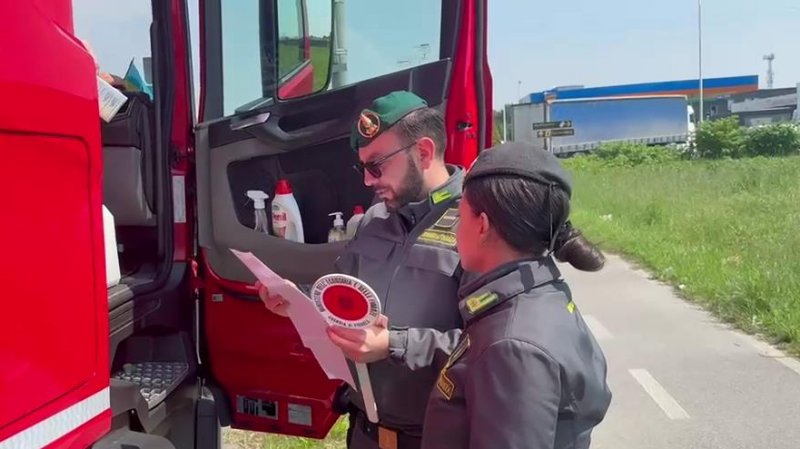
    Guidare usando lo smartphone è diventata una una delle più diffuse e pericolose violazioni sulle strade italiane. Questo episodio del videocast K44 Checkpoint mostra come una pattuglia della Polizia Stradale intercetta e sanzioni chi lo fa.

    Hormuz transit limited to 15 vessels and subject to charges

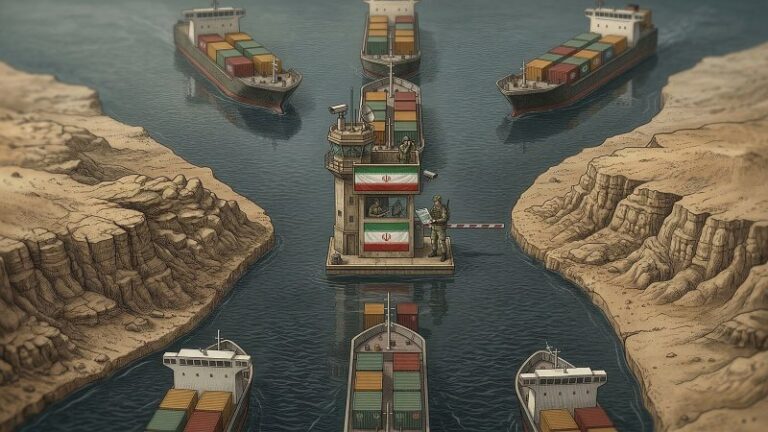
    As of 10 April 2026, the Strait of Hormuz is formally open but operationally almost blocked. The corridor linking the Persian Gulf to the Gulf of Oman remains under the de facto control of Iranian naval forces, which have set a maximum threshold of fifteen vessels per day. Before the conflict triggered by the United States and Israel around five weeks ago, more than one hundred ships were passing freely through the strait each day. Maritime tracking data processed by Kpler and MarineTraffic illustrate the scale of the paralysis: on one of the days following the announcement of the truce between Washington and Tehran, made overnight between 7 and 8 April, only five transits were recorded. Hundreds of tankers and bulk carriers are still anchored in the Persian Gulf, reducing speed or reversing course while awaiting authorisations that are slow to arrive. The initial closure is estimated to have left nearly 800 vessels stranded in the area.

    Iran is managing passages selectively, through the naval presence of the Pasdaran (Islamic Revolutionary Guard Corps) and patrol operations that give Tehran direct control over the pace of transits. AIS tracking shows ships slowing almost to a standstill near waters controlled by Iran, waiting for clearance signals. The cap of fifteen vessels per day is not codified in international rules: it is enforced in practice and effectively serves as a tool of political pressure linked to ceasefire arrangements with the United States.

    The timeline of recent days highlights the fragility of political announcements. The truce agreement of 7–8 April raised market expectations of a reopening: in the first hours afterwards, a few transits were recorded, and the first non-Iranian tanker to cross the strait after the announcement was the Msg, flying the Gabon flag, carrying around 7,000 tonnes of Emirati fuel oil bound for India. A symbolic signal that remained just that. Israeli strikes on Beirut and the Bekaa Valley, interpreted by Tehran as a breach of the truce, quickly returned the situation to near-closure, while Hezbollah rocket responses in northern Israel fuelled a cycle of escalation that directly shapes Iran’s management of the strait.

    US President Donald Trump has claimed the agreement with Tehran as a guarantee for reopening Hormuz, but accuses Iran of handling oil traffic “in a very poor way” and betraying the spirit of the truce. The US Navy remains one of the main guarantors of security for Gulf energy routes, while officially seeking to avoid direct escalation. UK Prime Minister Keir Starmer has raised “military options” to make the passage safe again and is working to build a naval coalition with allied countries. The EU has firmly rejected the idea of an Iranian toll on transiting vessels, invoking international law and freedom of navigation.

    For Iran, control of the strait is a pressure lever in response to raids and the military presence of the United States and Israel in the region. Limiting traffic to fifteen vessels per day allows Tehran to strike at the heart of the global energy system without resorting to a total closure, which would also irritate strategic partners such as China and India. The management of Hormuz is part of broader negotiations on the truce, sanctions and the nuclear dossier: each partial reopening or new restriction becomes a bargaining chip at the political table.

    The economic impact extends far beyond the region. Reduced flows through Hormuz are driving immediate increases in oil prices and marked volatility in energy markets, with knock-on effects on transport, inflation and monetary policy. Several analysts point out that Europe is among the most exposed regions, both in terms of energy costs and supply chain vulnerability. There are no comparable alternative maritime routes in terms of volume and cost: any diversions via pipelines or through other corridors such as Bab el-Mandeb, which links the Arabian coast to the Red Sea, cannot offset a closure of Hormuz.

    Iran’s control over the Strait of Hormuz is in tension with the principles of freedom of navigation enshrined in international conventions, setting a precedent that concerns maritime powers. The prospect of multinational escort missions for vessels, raised by London and discussed with Washington and some European countries, signals the risk of further militarisation in an already highly sensitive area. The EU continues to emphasise diplomatic and multilateral tools, including recourse to UN forums and the law of the sea, to defend freedom of navigation without opening a direct military front.

    The United Arab Emirates, Qatar and Bahrain, from which a large share of Gulf energy exports originate or transit, are directly affected by the slowdown and are becoming diplomatic hubs for contacts between Western leaders and regional actors. For shipowners, meanwhile, the situation translates into rising costs, idle vessels and increasing insurance premiums: the contrast between the rhetoric of political agreements and the silence of AIS tracking data now provides the clearest measure of the gap between the announced truce and an operational normality that remains distant.

    M.L.

    © TrasportoEuropa - Riproduzione riservata - Foto di repertorio
    Segnalazioni, informazioni, comunicati, nonché rettifiche o precisazioni sugli articoli pubblicati vanno inviate a: redazione@trasportoeuropa.it


      Puoi commentare questo articolo nella pagina Facebook di TrasportoEuropa

      bottone newsletter piccolo Vuoi rimanere aggiornato sulle ultime novità sul trasporto e la logistica e non perderti neanche una notizia di TrasportoEuropa? Iscriviti alla nostra Newsletter con l'elenco ed i link di tutti gli articoli pubblicati nei giorni precedenti l'invio. Gratuita e NO SPAM!


    CONTENUTI SPONSORIZZATI


Videocast K44

Aereo

  • Dhl semplifica lo sdoganamento con intelligenza artificiale

    Dhl semplifica lo sdoganamento con intelligenza artificiale

    Dhl Express introduce nei processi di prenotazione un sistema che riconosce gli articoli da una foto e genera descrizioni conformi ai requisiti doganali usando l’intelligenza artificiale. La funzione è già attiva in otto mercati e sarà estesa nel corso del 2026.

Ferrovia

  • I cantieri in Germania mettono a dura prova la rete Ten-T

    I cantieri in Germania mettono a dura prova la rete Ten-T

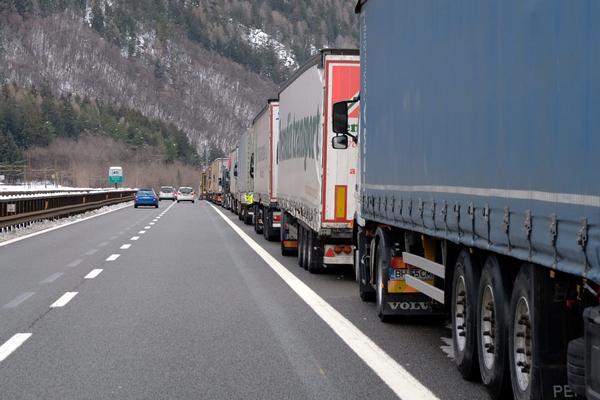
    Da un lato l’Unione Europea investe risorse importanti per lo sviluppo delle ferrovie nei corridoio Ten-T, dall’altro i lavori sulle infrastrutture rendono difficile il traffico. L’esempio più eclatante è quello tedesco.

Persone

  • Croce confermato presidente di Assagenti Genova

    Croce confermato presidente di Assagenti Genova

    Il nuovo consiglio direttivo di Assagenti rinnova il mandato di Gianluca Croce fino al 2028. Al centro della fase associativa ci sono nuova diga, rafforzamento dei traffici e costruzione di un sistema logistico più integrato attorno al porto di Genova.
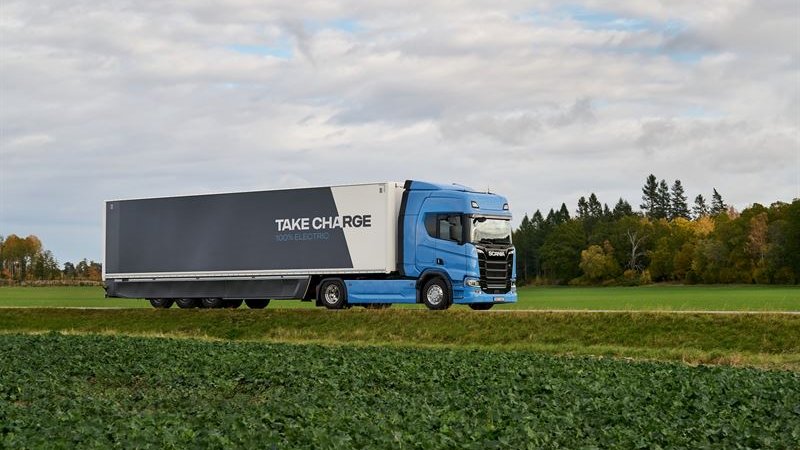
Scania lancia il modulo batteria sotto cabina e la ricarica Mcs

TECNICA

Scania lancia il modulo batteria sotto cabina e la ricarica Mcs
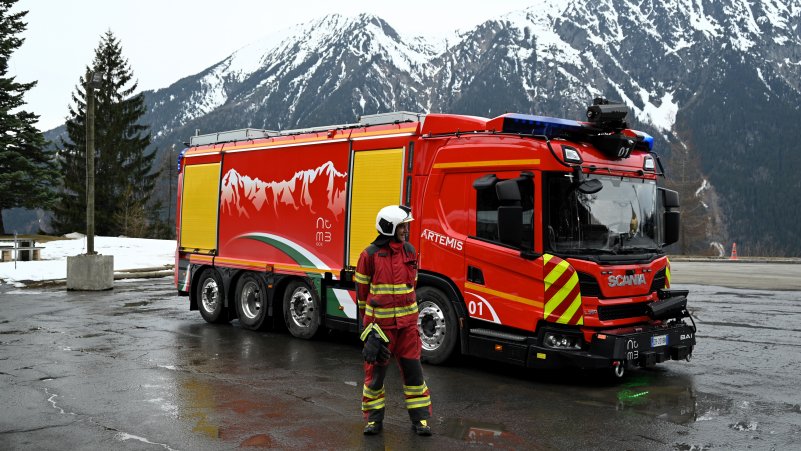
Artemis per la sicurezza del Monte Bianco

TECNICA

Artemis per la sicurezza del Monte Bianco
Kia torna nel furgone italiano col PVB 5

TECNICA

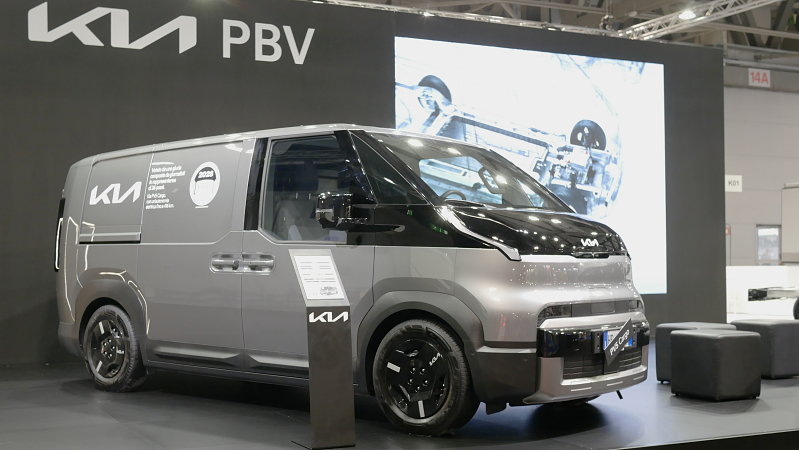
Kia torna nel furgone italiano col PVB 5
Donfeng parte dal Transpotec per portare i furgoni in Italia

TECNICA

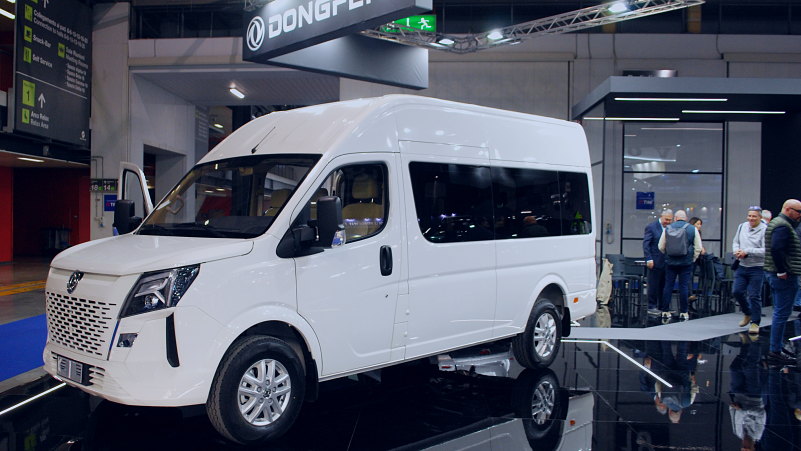
Donfeng parte dal Transpotec per portare i furgoni in Italia
Santi presenta tre innovazioni per la raccolta del latte

TECNICA

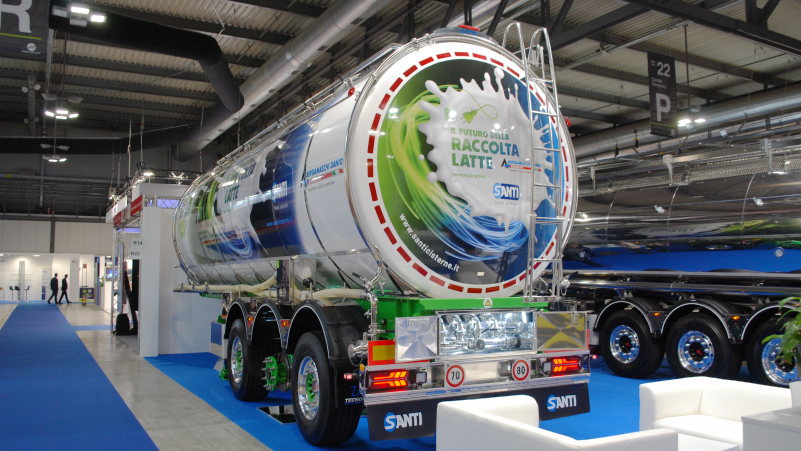
Santi presenta tre innovazioni per la raccolta del latte
previous arrow
next arrow
Scania lancia il modulo batteria sotto cabina e la ricarica Mcs

LOGISTICA

Scania lancia il modulo batteria sotto cabina e la ricarica Mcs
Scambi tra Italia e Regno Unito verso nuova normalità

LOGISTICA

Scambi tra Italia e Regno Unito verso nuova normalità
Garbe inaugura piattaforma logistica a Covo

LOGISTICA

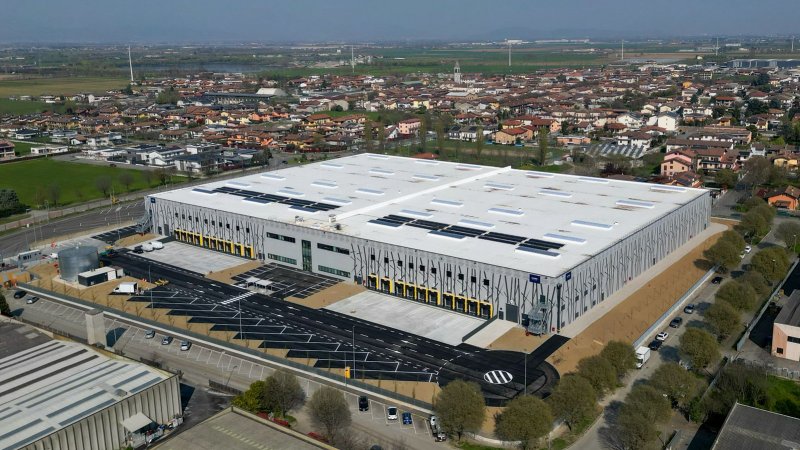
Garbe inaugura piattaforma logistica a Covo
Frode fiscale nella logistica brianzola

LOGISTICA

Frode fiscale nella logistica brianzola
Dsv potrebbe tagliare oltre cento terminal stradali

LOGISTICA

Dsv potrebbe tagliare oltre cento terminal stradali
previous arrow
next arrow
Operazione Red Gold contro frode nei carburanti in Abruzzo

ENERGIE

Operazione Red Gold contro frode nei carburanti in Abruzzo
Quattro indagati per uso stradale di gasolio agricolo nel Salento

ENERGIE

Quattro indagati per uso stradale di gasolio agricolo nel Salento
Il taglio delle accise è prorogato fino al primo maggio

ENERGIE

Il taglio delle accise è prorogato fino al primo maggio
Petrolio sopra 110 dollari al barile dopo dichiarazioni di Trump

ENERGIE

Petrolio sopra 110 dollari al barile dopo dichiarazioni di Trump
Scoperti a Fiumicino i vampiri del carburante per aerei

ENERGIE

Scoperti a Fiumicino i vampiri del carburante per aerei
previous arrow
next arrow
Carta DKV per ricaricare il camion elettrico

SERVIZI

Carta DKV per ricaricare il camion elettrico
Video | Dkv al Transpotec oltre la carta carburante

SERVIZI

Video | Dkv al Transpotec oltre la carta carburante
Zucchetti presenta una logistica digitale integrata software e robot

SERVIZI

Zucchetti presenta una logistica digitale integrata software e robot
Golia360 punta sulla digitalizzazione per gli autisti

SERVIZI

Golia360 punta sulla digitalizzazione per gli autisti
Come la logistica può guadagnare dalle multe Antitrust

SERVIZI

Come la logistica può guadagnare dalle multe Antitrust
Tra Genova e Barcellona l’asse della formazione per la logistica

SERVIZI

Tra Genova e Barcellona l’asse della formazione per la logistica
Transporeon introduce la ricerca con l’intelligenza artificiale

SERVIZI

Transporeon introduce la ricerca con l’intelligenza artificiale
Nasce Synlog Alliance consorzio dati per la logistica

SERVIZI

Nasce Synlog Alliance consorzio dati per la logistica
Sogedim potenzia le spedizioni per America Latina con Eagle Service

SERVIZI

Sogedim potenzia le spedizioni per America Latina con Eagle Service
Leviahub cresce in Spagna con due acquisizioni

SERVIZI

Leviahub cresce in Spagna con due acquisizioni
Trans.eu cresce in Italia con la borsa carichi relazionale

SERVIZI

Trans.eu cresce in Italia con la borsa carichi relazionale
L’evoluzione della borsa carichi autotrasporto è relazionale

SERVIZI

L’evoluzione della borsa carichi autotrasporto è relazionale
Padrosa realizzerà un parcheggio per camion ad Alessandria

SERVIZI

Padrosa realizzerà un parcheggio per camion ad Alessandria
Leviahub e Pionira accelerano sull’adozione dell’eCmr

SERVIZI

Leviahub e Pionira accelerano sull’adozione dell’eCmr
Trans.eu avvia il pagamento sicuro per l’autotrasporto europeo

SERVIZI

Trans.eu avvia il pagamento sicuro per l’autotrasporto europeo
previous arrow
next arrow