




Array ( [0] => 8 [1] => 39 )

Podcast K44

Cronaca

  • Cocaina nascosta in autocisterna, arrestato l’autista

    Cocaina nascosta in autocisterna, arrestato l’autista

    La Guardia di finanza di Napoli ha sequestrato 113 chilogrammi di cocaina nascosti in un doppiofondo ricavato in un'autocisterna lungo la Statale 162, nei pressi del Centro Direzionale del capoluogo campano. Arrestato in flagranza il conducente. Il carico avrebbe fruttato al dettaglio circa sette milioni di euro.

Transpotalk

Normativa

Mare

  • Attacchi ucraini bloccano l’export di grano russo

    Attacchi ucraini bloccano l’export di grano russo

    Il canale Azov-Don, snodo verso il Mar Nero per il grano di Rostov e Krasnodar, resta chiuso dopo l'attacco di droni ucraini a tredici navi russe. Gli analisti stimano che fino a un quarto dell'export cerealicolo del Paese transiti dal Mar d'Azov.

Autotrasporto

  • La Cna avvia il risarcimento collettivo per il cartello carburanti

    La Cna avvia il risarcimento collettivo per il cartello carburanti

    Cna Fita, Ali Antitrust Litigation Investment e lo Studio Legale Scoccini preparano un'azione risarcitoria per gli autotrasportatori danneggiati dal cartello sulla componente Bio del carburante, accertato dall'Agcm a carico di sei compagnie petrolifere con sanzioni per oltre 936 milioni di euro.

    How Switzerland aims to save single-wagonload traffic

    SBB Cargo will reorganise its single-wagonload freight service from 13 December 2026, the date of the next rail timetable change. The reform will take place under the strategic umbrella of "Suisse Cargo Logistics" and is a structural response to a decade of mounting losses. In 2024 alone, overall losses in SBB Cargo’s freight business reached CHF76 million, about €80 million, with single-wagonload traffic among the main causes of the deficit. Volumes have fallen by about a third over the past ten years, in a context where block trains and, to some extent, combined transport can cover their costs, while single-wagonload traffic remains structurally loss-making because of ageing rolling stock, dispersed volumes across an overly extensive network and insufficient wagon utilisation.

    The guiding principle of the new model is to reduce service points with inadequate volumes, in favour of concentrating flows on hubs and routes where there is enough freight to fill trains. The railway company estimates that, despite the reduction in network coverage, 98% of the volumes currently transported will be able to remain on rail, thanks to the reorganisation of routes and the consolidation of flows. At the same time, the operator is focusing on planned slots and greater emphasis on the north-south Gotthard and Lötschberg corridors, bringing the operating logic of single-wagonload freight closer to the regular-interval system already used in passenger transport.

    This is not the first time SBB has tried to modernise this segment. The WLV 2017 system introduced collection and delivery up to three times a day, with published timetables and slot booking, setting a direction that has now been confirmed by the current reform. The new model is part of a series of steps planned by Ffs for 2025-2030, which also includes the development of urban logistics and a 60% increase in rail freight capacity compared with current levels, with the aim of making better use of existing infrastructure.

    A central element of the reform is the use of long-term contracts with major shippers. During 2025, several single-wagonload customers signed new agreements with SBB Cargo, with terms of up to ten years. These contracts provide volume stability for the network during the transition period and give major freight forwarders a defined service horizon extending beyond 2030. In return, SBB gains greater predictability in freight flows, a necessary condition for sizing the new model on a contractual basis rather than only on spot demand, while increasing wagon utilisation.

    In 2025, the Federal Government decided to grant SBB Cargo a single-provider concession for domestic single-wagonload traffic until 2029, accompanied by public support of around CHF260 million, about €274 million, for the four-year period 2026-2029. The contribution is defined by the Federal Office of Transport as "transitional" and is conditional on achieving a series of performance indicators: a progressive reduction in losses, cooperation with regional operators, digitalisation of wagon tracking, punctuality, availability of first- and last-mile connections and CO2 savings compared with road transport.

    The service contract also provides for mechanisms requiring the partial repayment of funds if targets are not met, putting direct pressure on SBB Cargo to accelerate automation, dynamic pricing and fleet optimisation by the end of the decade. The 2029-2030 deadline is crucial: beyond that date, public support will not be guaranteed, and single-wagonload traffic will have to move close to break-even using its own resources, failing which further cuts or a drastic recalibration of the service may follow.

    Alongside the operational reform, SBB is renewing its wagon fleet with an order from Tatravagonka for up to 570 flat wagons and 270 bulk wagons, aiming to reduce the portfolio to just three standard types. This standardisation of the rolling stock fleet simplifies maintenance and fleet management, lowers fixed costs and increases the flexibility with which wagons can be used across different network routes. The approach mirrors, in a Swiss context, trends already seen in Germany, where DB Cargo is investing in Vectron Dual Mode locomotives optimised for single-wagonload traffic, with the aim of reducing traction costs and increasing network resilience through flexible resource cycles. The comparison is relevant because it shows that the problem of single-wagonload traffic is a European one: no operator today describes the segment as profitable, and all are focusing on a combination of targeted cuts and modernisation.

    On tariffs, shippers’ associations have expressed reservations about the increases under way, arguing that they risk making single-wagonload traffic less competitive than road transport. The tension between the need to cover costs and the objective of shifting freight from road to rail is one of the most delicate aspects of the reform: if restructuring delivers efficiency gains but also significantly higher tariffs for marginal traffic, some routes could migrate to trucks or to combined transport operated by private companies.

    Antonio Illariuzzi

    © TrasportoEuropa - Riproduzione riservata - Foto di repertorio
    Segnalazioni, informazioni, comunicati, nonché rettifiche o precisazioni sugli articoli pubblicati vanno inviate a: redazione@trasportoeuropa.it


      Puoi commentare questo articolo nella pagina Facebook di TrasportoEuropa

      bottone newsletter piccolo Vuoi rimanere aggiornato sulle ultime novità sul trasporto e la logistica e non perderti neanche una notizia di TrasportoEuropa? Iscriviti alla nostra Newsletter con l'elenco ed i link di tutti gli articoli pubblicati nei giorni precedenti l'invio. Gratuita e NO SPAM!


    CONTENUTI SPONSORIZZATI


Videocast K44

Aereo

  • Lufthansa Cargo avvia il nuovo hub merci a Francoforte

    Lufthansa Cargo avvia il nuovo hub merci a Francoforte

    Lufthansa Cargo avvia la prima fase del progetto LCCevo nell’aeroporto di Francoforte da 600 milioni di euro, che entro il 2030 trasformerà il Lufthansa Cargo Center nello scalo aereo merci più moderno d'Europa. In parallelo la compagnia lancia nuovi servizi digitali su WeChat per il mercato cinese.
Ferrovia

  • Paesi Bassi e Belgio finanziano ferrovia Gent-Terneuzen

    Paesi Bassi e Belgio finanziano ferrovia Gent-Terneuzen

    I Governi dei Paesi Bassi e Belgio stanziano 240 milioni di euro in parti uguali per potenziare il collegamento ferroviario merci tra Gent e Terneuzen nell'area portuale di North Sea Port, con l'obiettivo di rafforzare il trasporto su rotaia nel polo industriale di Zeeland.

Persone

  • Britta Weber assume la guida di Hupac

    Britta Weber assume la guida di Hupac

    Dal 1° luglio 2026 Britta Weber è la nuova amministratrice delegata del Gruppo Hupac, prima donna al vertice dell'azienda nei suoi quasi 60 anni di storia. Arriva da Ups e punta a rilanciare il trasferimento modale partendo dai terminal di Busto Arsizio e Milano Smistamento.
Yale rinnova la gamma carrelli elettrici Erc-VG2

TECNICA

Yale rinnova la gamma carrelli elettrici Erc-VG2
Un nuovo pallet in plastica per alimentari

TECNICA

Un nuovo pallet in plastica per alimentari
Unece adotta il primo regolamento globale sulla guida autonoma

TECNICA

Unece adotta il primo regolamento globale sulla guida autonoma
Stoneridge presenterà allo Iaa 2026 nuovo software per camion

TECNICA

Stoneridge presenterà allo Iaa 2026 nuovo software per camion
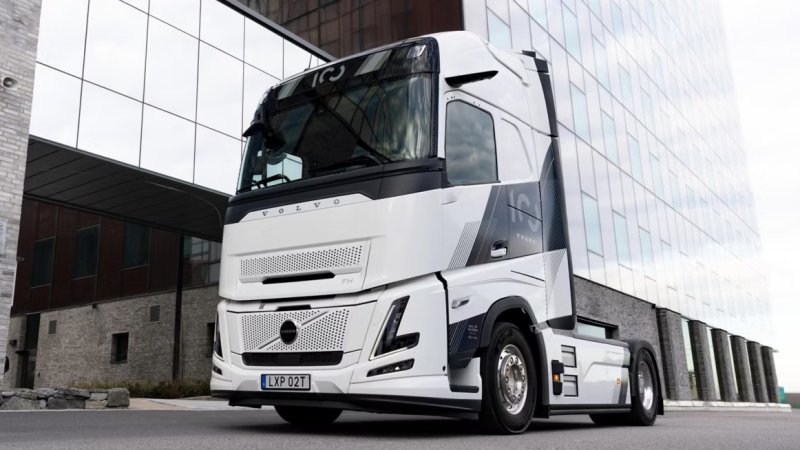
Video | le novità Volvo Trucks per il 2026

TECNICA

Video | le novità Volvo Trucks per il 2026
previous arrow
next arrow
Doppia mobilitazione del SiCobas nella logistica a luglio 2026

LOGISTICA

Doppia mobilitazione del SiCobas nella logistica a luglio 2026
Indagine anche per dolo sull’incendio alla Brt di Milano

LOGISTICA

Indagine anche per dolo sull’incendio alla Brt di Milano
Colpito da un incendio un magazzino Brt di Milano

LOGISTICA

Colpito da un incendio un magazzino Brt di Milano
A Milano sequestro da 28 milioni nella logistica

LOGISTICA

A Milano sequestro da 28 milioni nella logistica
Interporto Padova incorpora la società fieristica Padova Hall

LOGISTICA

Interporto Padova incorpora la società fieristica Padova Hall
previous arrow
next arrow
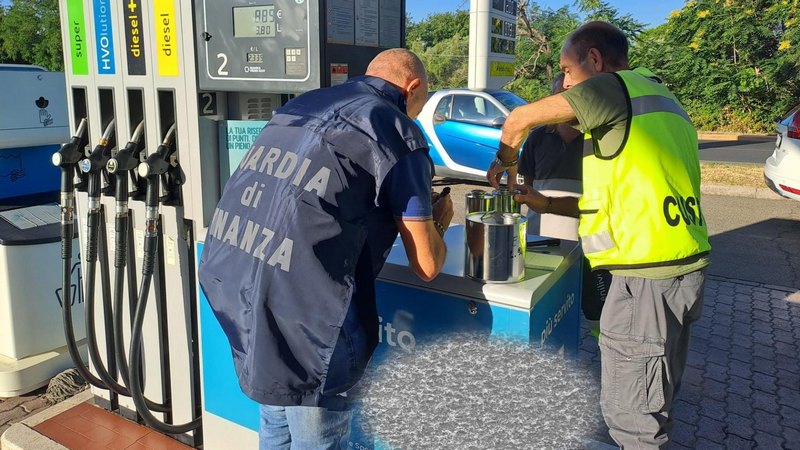
Sequestro da 60 milioni per frode sui carburanti

ENERGIE

Sequestro da 60 milioni per frode sui carburanti
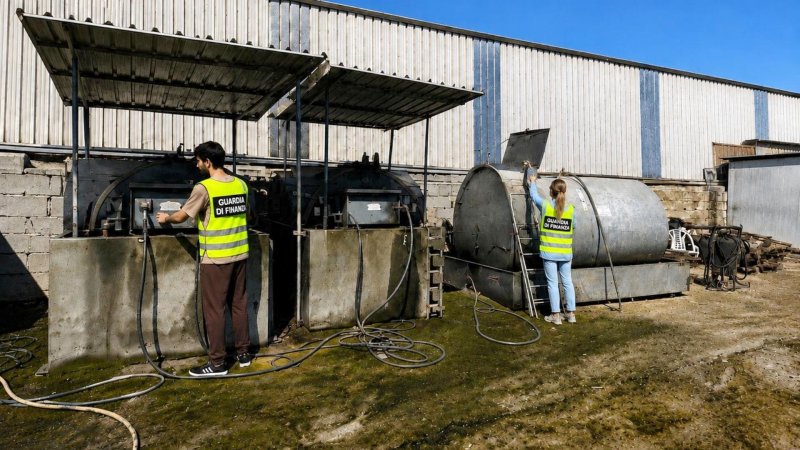
Gasolio agricolo sui camion, cinque arresti in Puglia

ENERGIE

Gasolio agricolo sui camion, cinque arresti in Puglia
Il Gnl cresce in Italia ma rallenta nell’autotrasporto

ENERGIE

Il Gnl cresce in Italia ma rallenta nell’autotrasporto
Fiap avverte che una causa sul cartello carburante è prematura

ENERGIE

Fiap avverte che una causa sul cartello carburante è prematura
Bruxelles approva il regime italiano da 23 miliardi per le rinnovabili

ENERGIE

Bruxelles approva il regime italiano da 23 miliardi per le rinnovabili
previous arrow
next arrow
Con Webfleet Di Martino traccia sempre i semirimorchi

SERVIZI

Con Webfleet Di Martino traccia sempre i semirimorchi
Havant cresce nel digitale europeo con Intesa

SERVIZI

Havant cresce nel digitale europeo con Intesa
Connettere le flotte di camion l’IA, la soluzione di Geotab

SERVIZI

Connettere le flotte di camion l’IA, la soluzione di Geotab
La logistica è tra le attività più colpite dai ciberattacchi nel 2025

SERVIZI

La logistica è tra le attività più colpite dai ciberattacchi nel 2025
Il rischio Dogana non è più solo amministrativo

SERVIZI

Il rischio Dogana non è più solo amministrativo
Sicurezza certificata da Tapa nella borsa carichi Trans.eu

SERVIZI

Sicurezza certificata da Tapa nella borsa carichi Trans.eu
Due attentati a Sicily by Car con fuoco e kalashnikov

SERVIZI

Due attentati a Sicily by Car con fuoco e kalashnikov
L’innovazione di Geotab punta su sicurezza e Pmi

SERVIZI

L’innovazione di Geotab punta su sicurezza e Pmi
Gaston Schul cresce nelle spedizioni genovesi con Parodi Forwarding

SERVIZI

Gaston Schul cresce nelle spedizioni genovesi con Parodi Forwarding
L’Italia è molto esposta nel cibercrimine nel trasporto e logistica

SERVIZI

L’Italia è molto esposta nel cibercrimine nel trasporto e logistica
Carta DKV per ricaricare il camion elettrico

SERVIZI

Carta DKV per ricaricare il camion elettrico
Video | Dkv al Transpotec oltre la carta carburante

SERVIZI

Video | Dkv al Transpotec oltre la carta carburante
Zucchetti presenta una logistica digitale integrata software e robot

SERVIZI

Zucchetti presenta una logistica digitale integrata software e robot
Golia360 punta sulla digitalizzazione per gli autisti

SERVIZI

Golia360 punta sulla digitalizzazione per gli autisti
Come la logistica può guadagnare dalle multe Antitrust

SERVIZI

Come la logistica può guadagnare dalle multe Antitrust
previous arrow
next arrow