






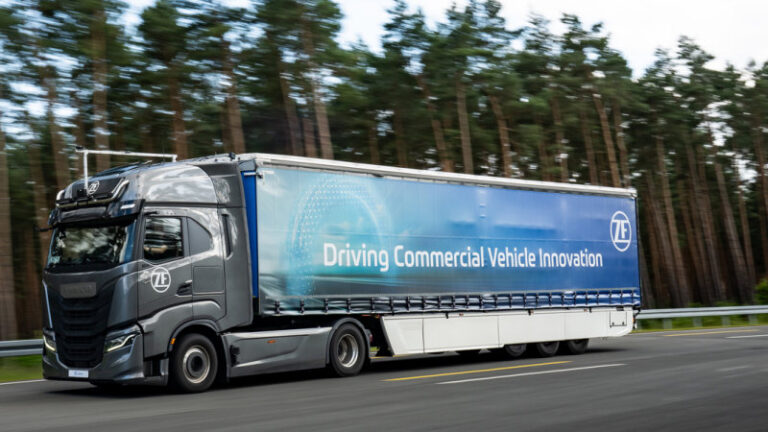
ZF will bring a series of technologies to IAA Transportation 2026 in Hanover, from 15 to 20 September, centred on the concept of the Software-Defined Vehicle, which is set to change the way commercial vehicles are designed and updated. The German components group describes its approach as evolutionary rather than revolutionary: the transition towards zero-emission vehicles and higher levels of automation is not progressing at the same pace in every market, due to differing regulations, transport missions and levels of technological maturity. ZF intends to build its commercial proposition around the flexibility required by manufacturers.
In the Software-Defined Vehicle philosophy, software is no longer simply a tool for managing individual electronic functions. Instead, it becomes the element that coordinates braking, steering, suspension, electrified propulsion and driver assistance systems. The practical advantage, ZF explains, is the ability to introduce new functions even after vehicle delivery through software updates, improving performance, safety and efficiency without the need to modify the hardware.
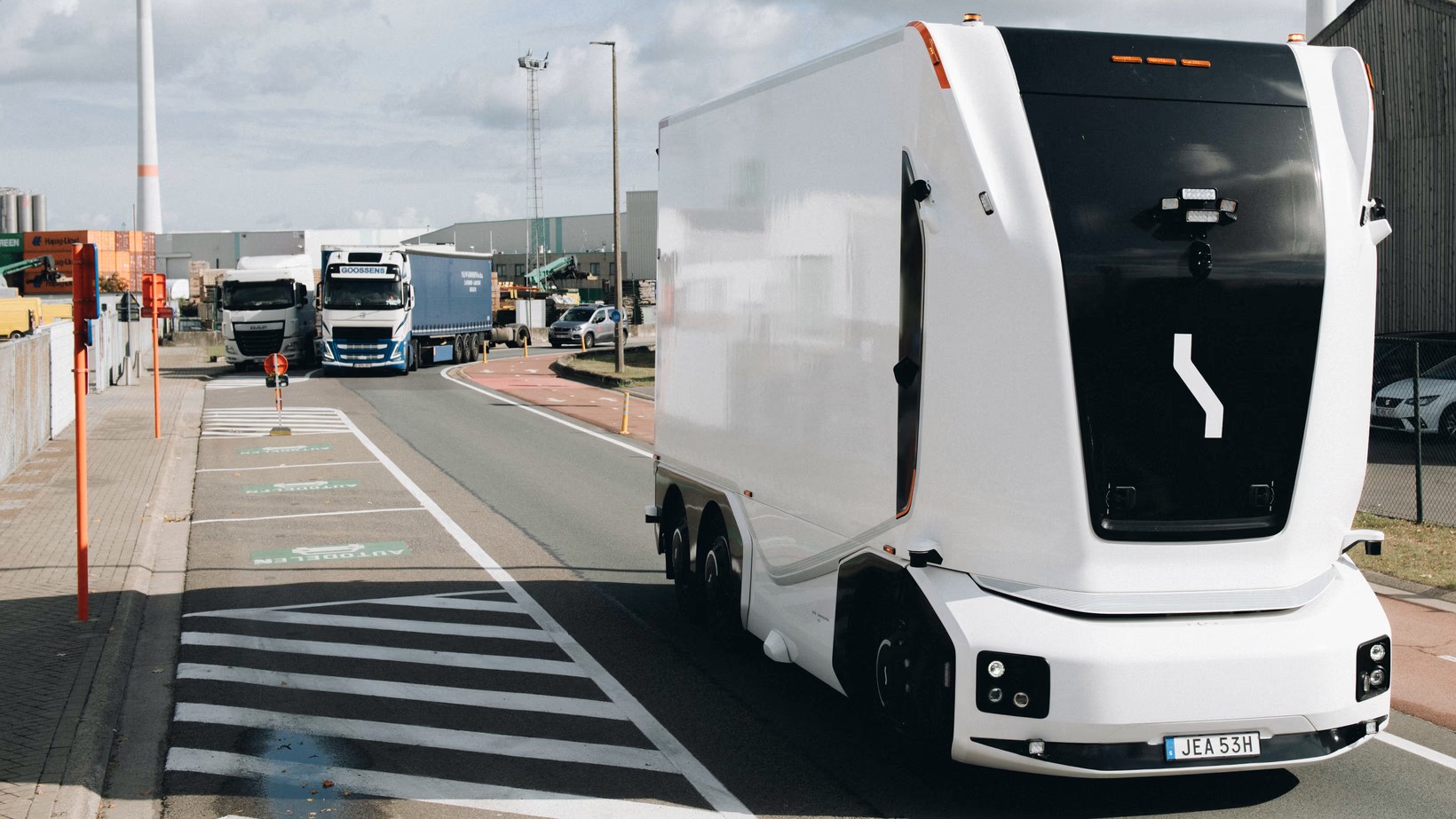
For ADAS driver assistance systems, the group is proposing a system that goes beyond coverage limited to the tractor unit alone. Radars, cameras and control units operate simultaneously on the tractor and trailer, creating a continuous view of the entire articulated vehicle. The result is 360-degree coverage that reduces blind spots and lays the technological foundations for future levels of automated driving. Specific attention is being given to manoeuvres in logistics yards, where the new systems control trailer reversing, detect potential obstacles and automatically activate braking in the event of a collision risk.
Urban safety will also feature on the ZF stand, with the debut of functions to monitor driver attentiveness and assistance systems for turns in the presence of cyclists and pedestrians. These will be joined by Rescue Assist, a technology capable of recognising approaching emergency vehicles by analysing acoustic signals.
On propulsion, ZF confirms a position it has already set out: there is no single technology suitable for every transport mission, which is why both hybrid solutions and fully electric systems will be on display in Hanover. Among the most interesting products is TraXon 2 Hybrid, an evolution of the well-known automated transmission that integrates an electric motor in a P2 configuration and enables electric-mode starts, energy recovery under braking and reduced fuel consumption, positioning itself as a transitional solution towards full electrification. Alongside TraXon are the CeTrax 2 central electric motors and AxTrax 2 electric axles, developed to electrify existing platforms without requiring a complete vehicle redesign. On electrified trailers, motorised axles make it possible to recover energy during braking and contribute directly to the traction of the entire vehicle combination.
Electrification also extends to less visible components. The e-comp Scroll, an oil-free electric compressor for electric commercial vehicles, will make its debut at IAA, reducing energy consumption and noise while eliminating the need for lubrication, with benefits for the reliability of pneumatic systems. The final development area shown by ZF concerns connectivity. The group envisages the commercial vehicle as a node in a digital ecosystem capable of communicating with trailers, infrastructure and logistics platforms. Demonstrated functions will include intelligent management of the tractor-trailer connection, automatic configuration of manoeuvring areas and remote vehicle access. The picture is completed by emergency stop systems that use Bluetooth devices worn by operators in logistics yards.
Massimiliano Barberis