





Logistics heads towards $568bn
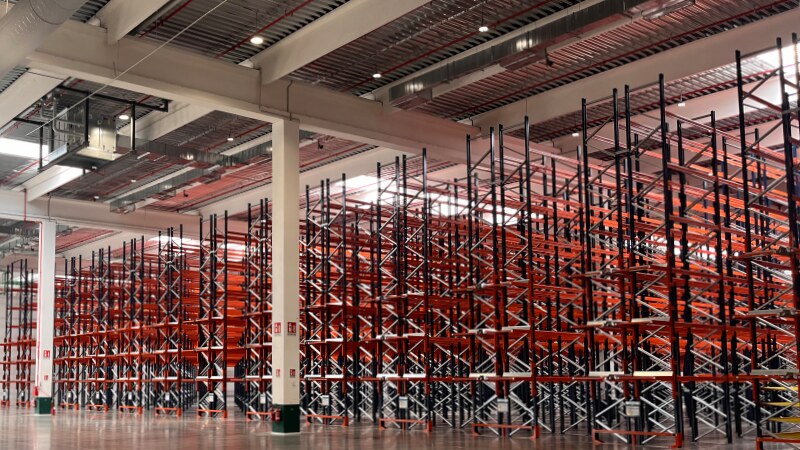
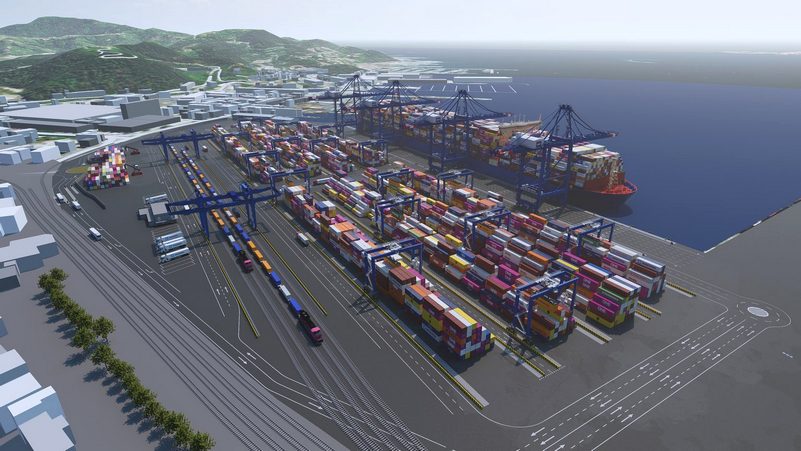
The global contract logistics market is expected to reach $402.06bn in 2026, up from $367.98bn in 2025, with growth of 9.3%, according to estimates in the Contract Logistics Market Global Report 2026. The report forecasts that the market could rise to $567.58bn in 2030, with an average annual growth rate of 9% over the 2026-2030 period. The scope includes storage, transport, distribution and after-sales services, as well as inventory management, packaging, labelling and order processing. Asia-Pacific was the largest region by market size in 2025 and is also identified as the fastest-growing region over the forecast period. Among the growth drivers, the report highlights rising demand for storage and distribution, linked in part to the expansion of e-commerce and the increasing complexity of order management. Another factor is the growth of omnichannel distribution, which requires greater inventory visibility and integration between warehouse and commerce systems. Automation is becoming increasingly important. DHL Group, for example, says it has invested more than €1bn in contract logistics automation over the past three years and, in 2025, had more than 7,500 robots, over 200,000 smart devices and almost 800,000 IoT sensors across its network. The company has also planned more than 1,000 additional Stretch robots, mainly for unloading containers and, progressively, for parcel preparation.
Germany accelerates on hydrogen
Volvo Group, Daimler Truck, Toyota Motor Corporation, Bosch, Air Liquide, TotalEnergies, Teal Mobility and MB Energy are working with German policymakers to develop an integrated system in Germany dedicated to hydrogen mobility in heavy-duty transport. According to Volvo Group, the initiative aims to bring together for the first time in Europe the conditions needed to scale up the deployment of hydrogen trucks by 2030, combining support policies, manufacturers’ offerings, supply and infrastructure. The programme provides for the coordinated development of the entire value chain, from vehicle sales to fuel availability. A key element is the installation of refuelling stations along European corridors, synchronised with the introduction of hydrogen truck fleets. Volvo Group says the objective is also to ensure the availability of hydrogen at competitive prices, creating the conditions for a competitive total cost of ownership for operators. Hydrogen is considered complementary to battery-electric solutions on the path towards zero-emission transport. The project therefore focuses on alignment between customer demand, vehicle deployment, the refuelling network and continuity of supply.
Blue Yonder in the logistics top tier
Verdantix’s Green Quadrant: Supply Chain Sustainability Software 2026 places eight providers out of sixteen among the most advanced, compared with ten out of fifteen in 2024. According to the report published on 25 August, these now include Blue Yonder, an operator originating from supply chain planning and execution systems. The comparison with 2024 shows a shift from a group that was then made up almost entirely of specialists in supplier assessment, due diligence and environmental, social and corporate governance compliance. Verdantix notes that Blue Yonder combines supplier and environmental risk metrics directly within planning and execution processes. For transport, Sustainable Supply Chain Manager includes Logistics Emissions Calculator, which automatically calculates emissions from multimodal transport using a GLEC-accredited methodology aligned with ISO 14083. The calculation, however, depends on the quality of the data entered, including weight, route, vehicle, fill rate and energy used. The report also cites Orchestrator Agent, which coordinates software agents and allows emissions and waste to be integrated into planning. Examples include shifting freight from air to sea, where delivery times, reliability, capacity and contractual constraints allow. The recognition concerns the entire sustainable supply chain management offering across planning and execution, not warehouse management alone.
Gofo automates Rome logistics
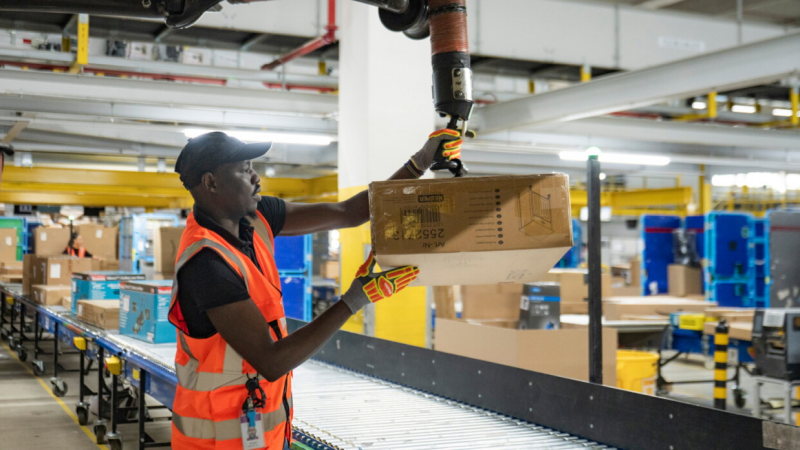
Gofo has brought a new automated narrow-belt system fully into operation at its Rome sorting hub, following a trial phase that began in May 2026 and lasted more than three months. The investment increases the hub’s overall efficiency by 40%, making it the operator’s main gateway for activities in southern Italy. The linear sorter has a nominal capacity of 6,500 parcels per hour and 120 chutes covering routes including Bari, Catanzaro, Naples and surrounding areas. The system automatically separates overlapping parcels before they enter the sorting circuit using mechanical technology, without relying on visual recognition through artificial intelligence. The solution also combines parcel dimensioning and weighing in a single step, with volumetric accuracy of ±10 mm and weighing accuracy of ±20 g. About 80% of the sorting process is now automated, while manual operations remain concentrated on loading and exception management. The upgrade was completed ahead of the autumn seasonal peak and aims to increase capacity for handling e-commerce volumes in southern Italy.