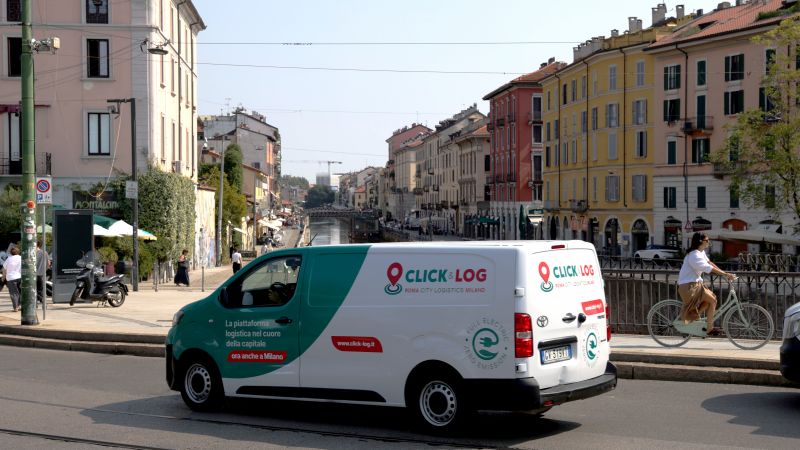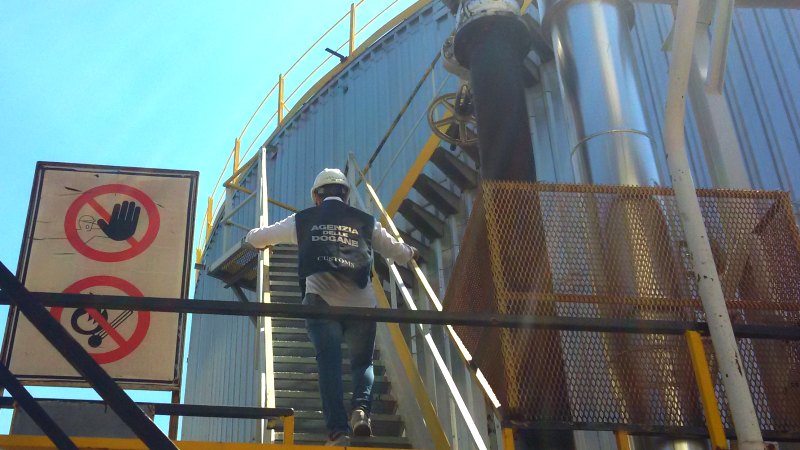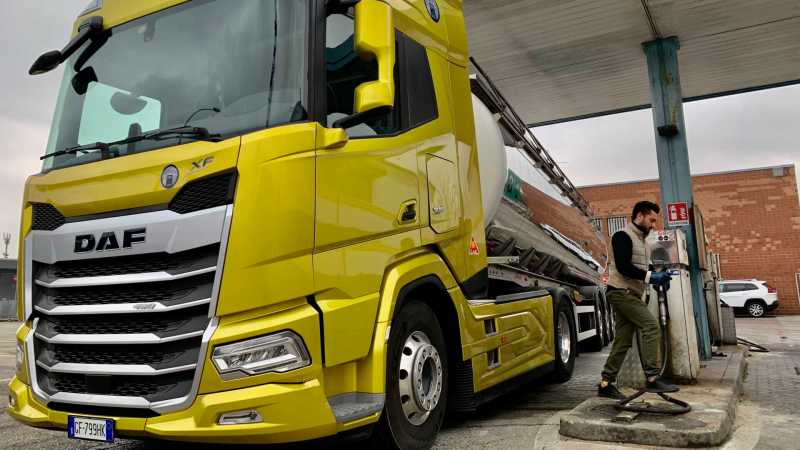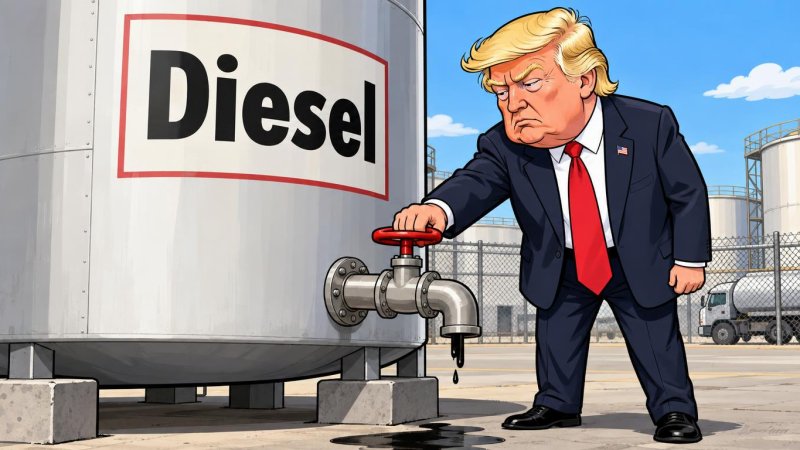





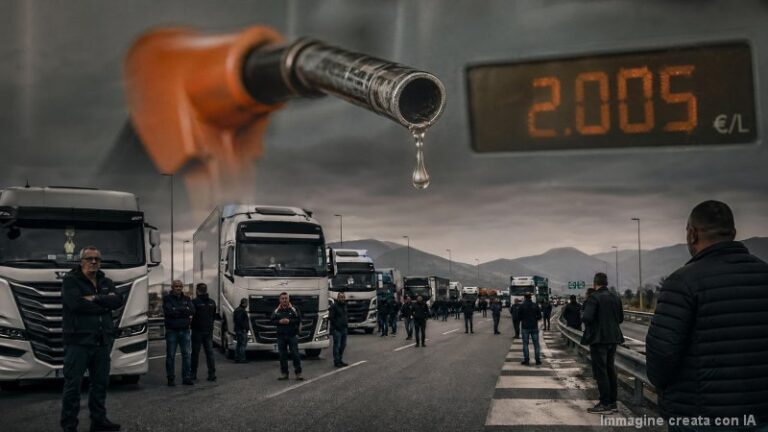
In Italy, the pump price of diesel has risen from €1.676 per litre to €2.005 in eight weeks, an increase of 20% which, for each industrial vehicle, means an additional burden of almost €2,000 over the two-month period. This is the starting point for the analysis by Cgia di Mestre (Mestre association of artisans and small businesses) on the impact of the Hormuz crisis on Italian road haulage. It means the extra cost accumulated by the entire fleet on the road, estimated by Unrae (National Union of Foreign Motor Vehicle Representatives) at 752,000 heavy vehicles, has reached the €1.5bn threshold. Behind the surge is the 50% increase in crude oil prices triggered by the start of hostilities in the Gulf. The Government responded on 19 March with a 20-cent cut in excise duties, a measure that partly softened the blow but failed to offset the overall loss suffered by operators.
This energy shock is compounded by a tariff structure that is unable to pass higher costs along the supply chain. The reference prices published by the Ministry of Transport range from €1.30 to €1.60 per kilometre, but the real market is sharply divided by geography. In the North, where demand is steady and return loads are frequent, the effective rates estimated by Cgia range from €1.40 to €1.70 per kilometre, peaking at €2 for more complex specialisms such as dangerous goods and temperature-controlled transport. In the South, the situation is structurally more fragile: rates fall to between €1.10 and €1.40 per kilometre, while the lack of freight for return journeys forces hauliers to run empty kilometres, wiping out margins and hitting less structured companies disproportionately hard.
This gap between rising costs and inadequate rates combines with long-standing financial weakness. The operating model for road haulage requires immediate payments for diesel, tolls and maintenance, while revenues arrive with delays of between 90 and 120 days. A ministerial circular published in October 2025 introduced competition fines of up to 10% of turnover for customers that fail to comply with payment deadlines, but Cgia says late payment remains widespread. Without rapid access to credit, the squeeze between upfront costs and deferred income turns a temporary shock into structural insolvency, to the point that some companies are unable to accept new orders because they lack sufficient liquidity to refuel.
The fragility is also reflected in the geographical structure of freight flows. According to Cgia’s calculations, in 2024, 97.6% of road movements both originated and ended within Italy, for a total volume of more than 1bn tonnes. The North accounts for 68% of total traffic, with 34.8% in the North-West and 33.4% in the North-East, and Lombardy acting as the clear centre of gravity for Italian logistics. The top six interregional corridors by volume all have this region as either their origin or destination: the largest flow is the route between Lombardy and Emilia-Romagna, at 21.5m tonnes, followed by Piedmont-Lombardy at 20.6m tonnes. The top 20 national traffic flows alone account for almost 20% of total freight, but among the ranked routes the only region below the Po Valley to appear is Tuscany. The South, with 11.6% of traffic, and the islands, with 5.2%, remain on the margins of the main interregional commercial corridors.
The logistical isolation of peripheral areas is also evident from the share of intra-regional transport. The national average is 64.4%, but Sardinia, at 97.1%, and Sicily, at 84.2%, have flows that are almost entirely internal, signalling a structural disconnection from the peninsula’s networks. At the opposite end are Basilicata, at 17.8%, Molise, at 18.9%, and Liguria, at 23.6%, which operate mainly as corridors or hubs for goods bound elsewhere.
Against this backdrop, Unatras (national union of road haulage associations) has called a national stoppage from 25 to 29 May. However, the concrete risk flagged by operators is an earlier, uncoordinated technical shutdown: many companies could be forced to stop before that date simply because they are unable to cover refuelling costs. The vice-minister of Transport, Edoardo Rixi, has announced measures to inject liquidity into the system, but the timing of implementation remains decisive.
Antonio Illariuzzi