








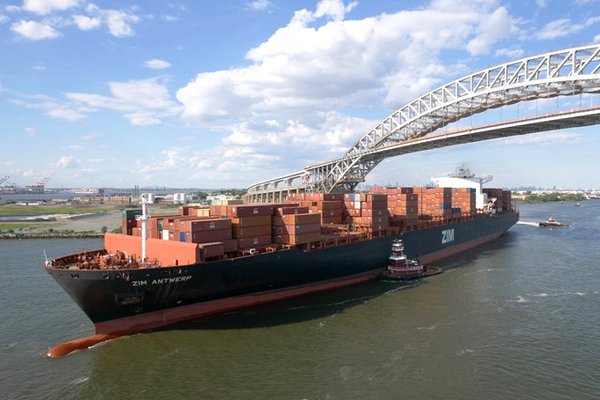
The Israeli Ministry of Defence has rejected, in its current proposed form, the sale of Zim Integrated Shipping Services to Hapag-Lloyd, the $4.2bn deal, about €3.7bn, that would transfer the international operations of the Israeli container line to the German carrier. The negative opinion, formalised by minister Israel Katz on the basis of assessments by his technical advisers, effectively blocks the Israeli state approval process. Israel retains a golden share in Zim dating back to the privatisation of the 1990s.
The agreement, announced in mid-February and approved by a large majority of Zim shareholders, would see the company delisted from Wall Street and create a new entity, New Zim, which would remain under Israeli control through Fimi Opportunity Funds and the state. Hapag-Lloyd would acquire the international network, while New Zim would absorb the activities considered strategic for national security, under the structure designed to meet the obligations linked to the golden share.
For the defence establishment, New Zim would have too limited an operational profile, with insufficient links to the United States and the Far East, the routes considered crucial in potential crisis scenarios. The concern, reported by the Israeli financial press, is that the state could lose the ability to independently guarantee essential maritime links if a conflict or logistics blockade required direct intervention. The picture is further complicated by Hapag-Lloyd’s shareholder base, which includes institutional investors from Qatar and Saudi Arabia, a presence that is fuelling concerns over possible pressure in the event of regional tensions. The mayor of Haifa and several members of the Knesset have publicly expressed similar concerns, fearing a reduction in Israeli control over port infrastructure and strategic maritime flows.
The objections from the Ministry of Defence were joined between May and June by those of the Ministry of Agriculture, the Ministry of Economy and Industry, the Ministry of Transport and Road Safety, and the Israeli Maritime Authority. The turning point came between 4 and 7 July, when Katz made his opinion public and prime minister Benjamin Netanyahu told a cabinet meeting that the sale of Zim “is not currently on the agenda”. From a formal standpoint, the golden share mechanism does not amount to a definitive veto. It allows the state to impose conditions on or delay transactions deemed relevant to national security, while leaving the way open for a renegotiation of the terms. The deal therefore remains suspended pending regulatory approval which, at present, the Israeli government has not granted. In an update on 6 July, Zim said it continued to operate in line with the merger agreement, stating that it was proceeding “in cooperation with the competent authorities during the regulatory review process”.
Antonio Illariuzzi