


Array ( [0] => 8 [1] => 39 )

Podcast K44

Cronaca

  • Camionista spara a un collega con pistola scacciacani

    Camionista spara a un collega con pistola scacciacani

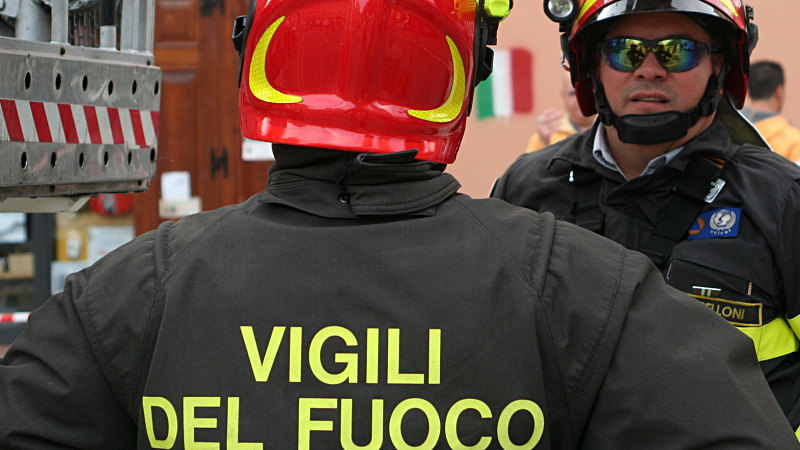
    Un camionista di 42 anni è stato denunciato dalla Polizia Stradale di Modena per minaccia aggravata dopo aver esploso un colpo con una pistola scacciacani contro un collega lungo l'A1, al culmine di una lite tra autotrasportatori nei pressi di Modena Nord.

Transpotalk

Normativa

Mare

  • Iran annuncia intesa con Oman su Hormuz

    Iran annuncia intesa con Oman su Hormuz

    Il portavoce dei Pasdaran comunica un accordo con l’Oman sulla ripartizione delle acque e dei ricavi dello Stretto, ma il ministero degli Esteri iraniano non conferma. Il quadro bilaterale più solido riguarda un corridoio marittimo provvisorio e lo sminamento, mentre Washington rivendica la rotta già aperta e intensifica le sanzioni.

Autotrasporto

  • Camion fermi allo Stretto di Messina sono un disagio cronico

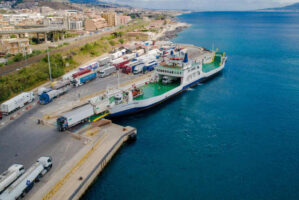
    Camion fermi allo Stretto di Messina sono un disagio cronico

    La Lega Autisti Autotrasportatori Indipendenti Siciliani Nazionale denuncia attese fino a sei ore per l'imbarco a Tremestieri e al Porto Storico di Messina durante l'esodo estivo. Non è un caso isolato: il problema si trascina da anni, tra proteste, esposti e promesse rimaste in gran parte sulla carta.

    Gauge delays hold back rail freight in Spain

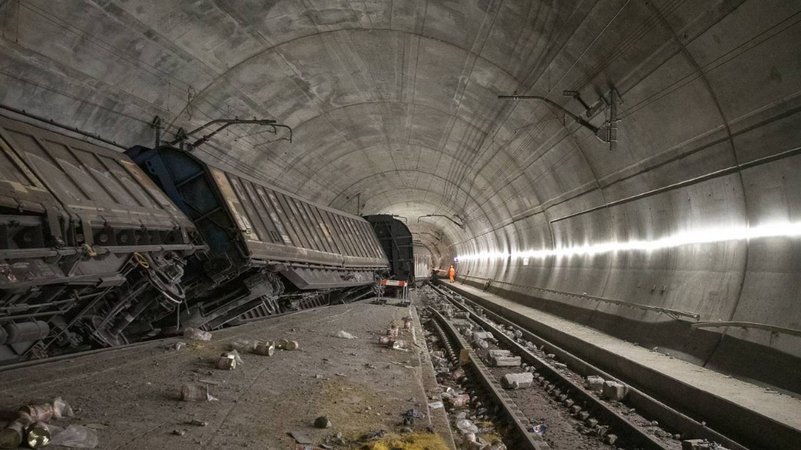
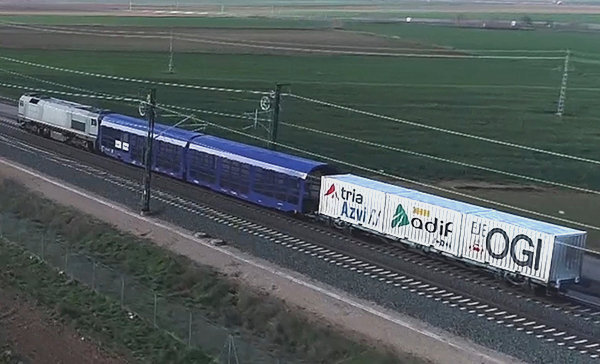
    Spain is still dealing with a century-old separation from Europe’s rail network because of the national gauge, typical of the Iberian Peninsula, which was originally chosen largely for military reasons but is not compatible with the standard, or international, gauge used across the central and western European network. Ingenious solutions have been adopted to overcome this obstacle and enable cross-border rail links, such as variable-gauge bogie axles, long in use but only on international passenger trains, including the famous Talgo services.

    To Spain’s credit, from the outset it adopted the European standard gauge for the construction of the first new high-speed line, Madrid-Seville, in 1992, and gradually extended it across the new high-speed network. More recently, the infrastructure manager Adif has launched a programme to move towards European gauge, mainly on TEN-T corridors, often by laying a third rail to make the affected railway lines interoperable.

    But this effort is moving ahead without a coherent conversion plan, also because one has never been officially announced, with decisions taken case by case on individual sections and no clear indication of the final objective. Freight traffic is bearing the brunt, because it cannot rely on a homogeneous network rather than a patchwork one. As a result, only a handful of freight trains can still make effective use of Spain’s main corridors.

    The largest ongoing programme to adapt the network to the European standard concerns, for example, the Mediterranean railway, running from the French border south of Perpignan to Malaga. Here, work is focused as far as Almeria, partly through the construction of new lines and partly through the conversion of existing sections. But until these projects are completed, it is unrealistic to expect tangible results for freight traffic, which cannot be subjected to breaks of load for technical reasons that may appear minor, but are in fact fundamental.

    At the same time, Spain’s infrastructure manager is not only working on gauge conversion, but is also carrying out another demanding programme to upgrade electric traction systems. The country’s predominant power supply, 3 kV direct current, the same as in Italy, will give way to the higher-performing 25 kV alternating current system. For example, the entire network in Galicia, the large autonomous community in north-western Spain, will make this qualitative leap, probably with the sole exception of the historic Santiago-Ourense-Medina del Campo line. To Spain’s credit, it should be noted that this decision, undoubtedly demanding in practical terms, has few parallels among rail infrastructure managers in other countries, except in the construction of new lines, the electrification of routes previously available only for diesel traction, or the radical upgrading of completely obsolete parts of the network.

    Piermario Curti Sacchi

    © TrasportoEuropa - Riproduzione riservata - Foto di repertorio
    Segnalazioni, informazioni, comunicati, nonché rettifiche o precisazioni sugli articoli pubblicati vanno inviate a: redazione@trasportoeuropa.it


      Puoi commentare questo articolo nella pagina Facebook di TrasportoEuropa

      bottone newsletter piccolo Vuoi rimanere aggiornato sulle ultime novità sul trasporto e la logistica e non perderti neanche una notizia di TrasportoEuropa? Iscriviti alla nostra Newsletter con l'elenco ed i link di tutti gli articoli pubblicati nei giorni precedenti l'invio. Gratuita e NO SPAM!


    CONTENUTI SPONSORIZZATI


Videocast K44

Aereo

  • Rallenta la crescita a luglio 2026 dei noli aerei

    Rallenta la crescita a luglio 2026 dei noli aerei

    I noli spot del trasporto aereo delle merci sono saliti del 28% su base annua a luglio, a 3,12 dollari per kg, ma il ritmo di crescita rallenta per il secondo mese consecutivo. Secondo Xeneta il mercato affronta una seconda metà del 2026 più debole, con pochi segnali di stagione …
Ferrovia

Persone

  • Morto il re della logistica Klaus-Michael Kühne

    Morto il re della logistica Klaus-Michael Kühne

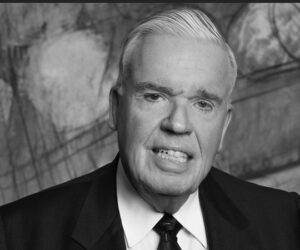
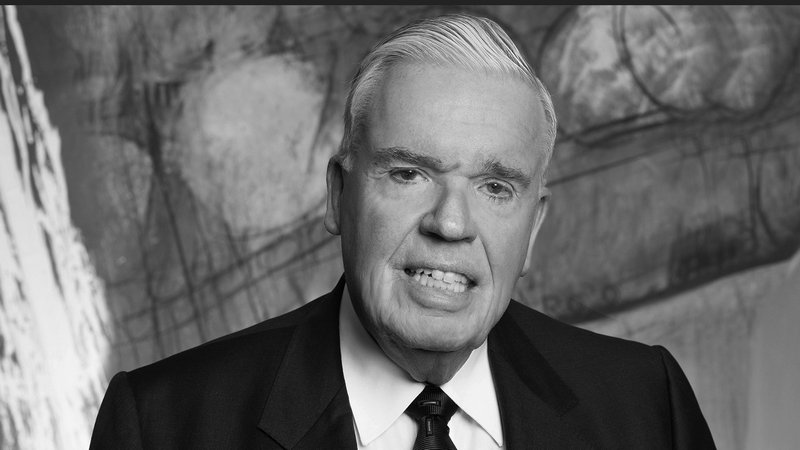
    Il 24 agosto 2026 è morto a 89 anni Klaus-Michael Kühne, uno degli uomini più potenti della logistica europea. Senza figli, aveva destinato l'intero patrimonio imprenditoriale alla Kühne Foundation, che attraverso Kühne Holding controlla il 60,1% di Kühne+Nagel, il 30% di Hapag-Lloyd e oltre il 20% di Lufthansa.
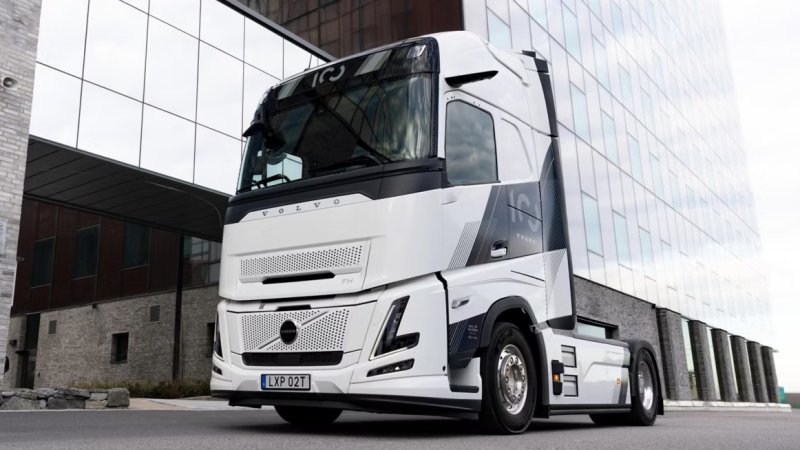
Un Volvo FH speciale per i cent’anni della Casa svedese

TECNICA

Un Volvo FH speciale per i cent’anni della Casa svedese
previous arrow
next arrow
Morto il re della logistica Klaus-Michael Kühne

LOGISTICA

Morto il re della logistica Klaus-Michael Kühne
previous arrow
next arrow
Operazioni estive della Finanza contro frodi al gasolio

ENERGIE

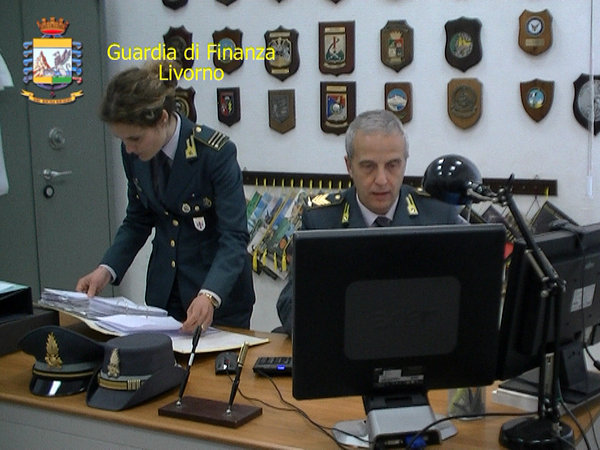
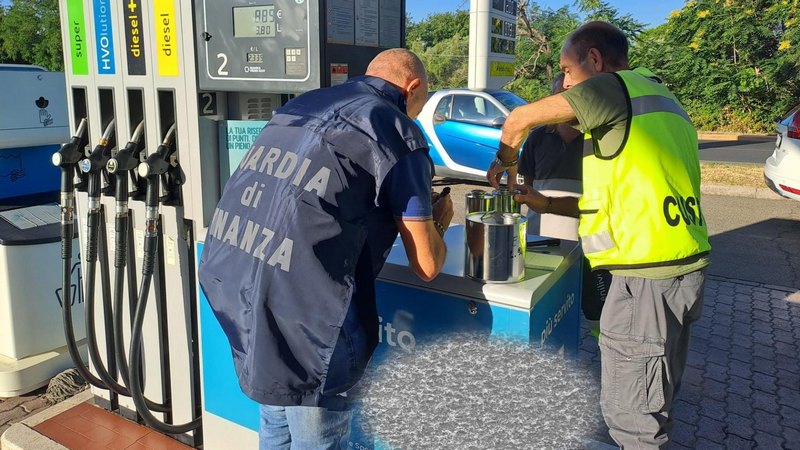
Operazioni estive della Finanza contro frodi al gasolio
previous arrow
next arrow
La Norvegia intensifica la digitalizzazione della Dogana

SERVIZI

La Norvegia intensifica la digitalizzazione della Dogana
previous arrow
next arrow