





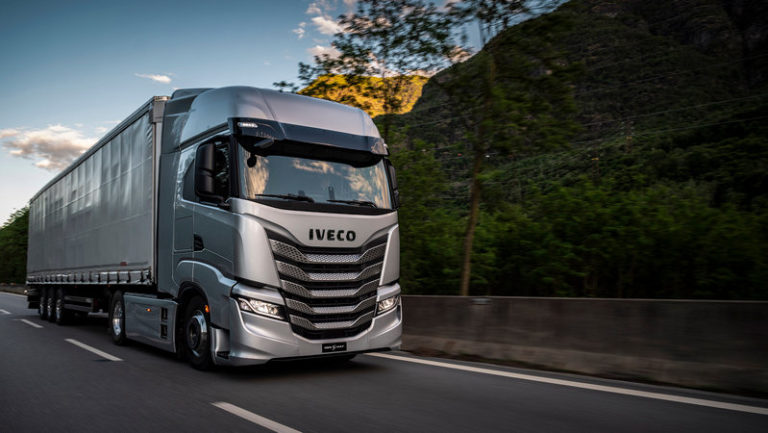
The final door to launching Tata Motors’ acquisition of Iveco Group opened on 3 September 2026 with the approval of the document for the voluntary full public tender offer by Italy’s Consob, the authority that oversees stock market activity. The legal bidder for the offer is Tml CV Holdings Pte, acting through its subsidiary Tml CV Holdings, which is in turn attributable to Tata Motors. The consideration offered for the purchase of Iveco shares is €14.10 per share, on a cum-dividend basis, meaning it already includes the right to the dividend. Consob’s resolution does not assess the economic fairness of the price or the industrial merits of the transaction, but has verified that the document meets the information and procedural requirements needed for it to be submitted to the market.
The procedure now provides for the acceptance period to open on 7 September at 8.30am and close on 26 October at 5.30pm, unless extended. Payment for shares during this ordinary phase is scheduled for 30 October 2026, the fourth trading day after the close of the acceptance period. The terms could be reopened from 2 to 6 November if the conditions set out in Article 40-bis of the Consob Issuers’ Regulation are met, in which case payment would be postponed to 13 November. The offer is being launched in Italy and is also being extended to the United States under the rules applicable to cross-border tender offers, while it is not being promoted in Canada, Japan, Australia or in other jurisdictions where further requirements would be necessary. The bidder has clarified that the approval notice does not, in itself, constitute an invitation to sell or buy securities, as the effectiveness conditions, industrial objectives and corporate consequences will be described in the full offer document, which will be published shortly.
What could happen if shareholder acceptances failed to reach the minimum threshold set as a condition for the offer to become effective? In standard public tender offer practice, failure to reach that threshold normally means the bidder is not obliged to buy the shares and the transaction may not be completed. Shareholders who accepted would therefore remain Iveco shareholders without selling their shares. However, Tata retains the right to waive the condition, in whole or in part, and in that case may still complete the purchase of the tendered shares, even without necessarily acquiring the entire share capital. However, Exor’s participation makes the scenario of scattered and insufficient acceptances unlikely, given the commitment made by the Agnelli-Elkann family holding company to tender its stake into the offer.
The reference thresholds are those set out in the Testo Unico della Finanza (Consolidated Law on Finance) for residual acquisitions: at 90% of the share capital, mechanisms for the purchase of shares not tendered are triggered, while at 95% the bidder may exercise the right to purchase the remaining shares, the so-called squeeze-out, leading to delisting from the stock exchange. Below these percentages, Iveco may remain listed, with a reduced free float and share liquidity affected by the presence of a controlling shareholder, unless further corporate transactions follow.
Antonio Illariuzzi