








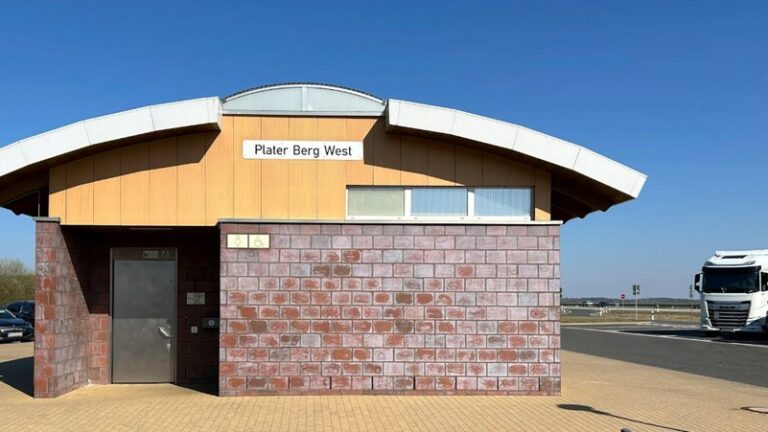
The German motorists’ association Adac repeated in 2026 its test of the same 50 “free” motorway rest areas already examined in 2022. These are sites along German motorways without a service station or continuous management, and the aim was to measure how service quality had evolved over four years. The overall result points to a clear deterioration: 46% of the sample falls into the “poor” or “very poor” categories, and no rest area received the top rating of “very good”. Almost two thirds of the sites recorded a lower score than in 2022, while only 8% improved.
The association’s method combines on-site inspections with standard assessments on a scale ranging from “very good” to “very poor”, applied to toilet hygiene and functionality, safety, lighting, comfort and general facilities. The results of the technical checks were accompanied by a user survey, published in July 2026, which confirms the picture that emerged from the inspections: for respondents, cleanliness remains the most important factor when assessing a rest area, but 42% said they were dissatisfied or very dissatisfied with the conditions found. The assessment of toilet facilities was particularly severe. Some 62% of toilets were classified as poor or very poor. The most frequently reported problems included a lack of toilet paper, soap dispensers and electric hand dryers not working, as well as widespread issues with cleanliness and accessibility. In six areas, assessors found toilet facilities to be fully or partly closed, making them unavailable to users.
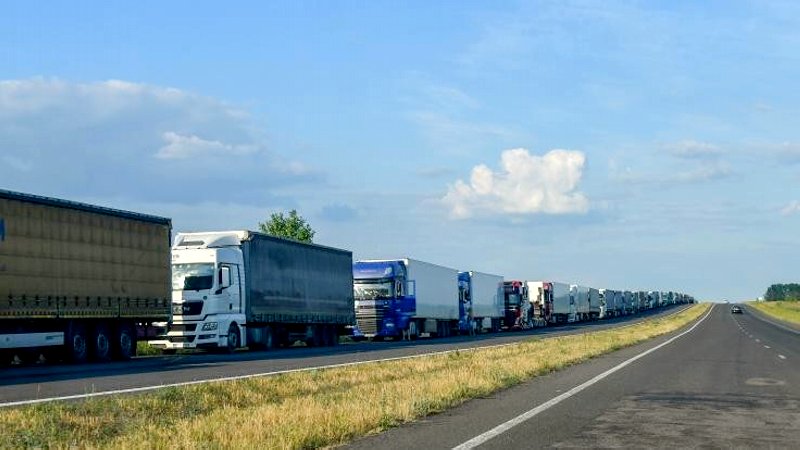
Unstaffed rest areas account for a significant share of the stopping places available to heavy goods vehicles along German motorways, especially at night and at weekends, when professional drivers must comply with driving and rest-time rules. The absence of continuous management, and the often considerable distance from urban centres, make the quality of toilets, lighting and safety a direct factor in the wellbeing and security of those stopping there during mandatory breaks.
The survey comes in a context in which Germany has long been discussing the chronic shortage of parking spaces for heavy goods vehicles and the difficulty of ensuring adequate standards along the main traffic corridors. Adac links the deterioration identified to a combination of structural underinvestment and rising traffic volumes on the network, and is calling for a coordinated plan involving infrastructure managers, public authorities and private operators, with binding minimum standards on cleanliness, functionality and the availability of toilets throughout the year.
Pietro Rossoni