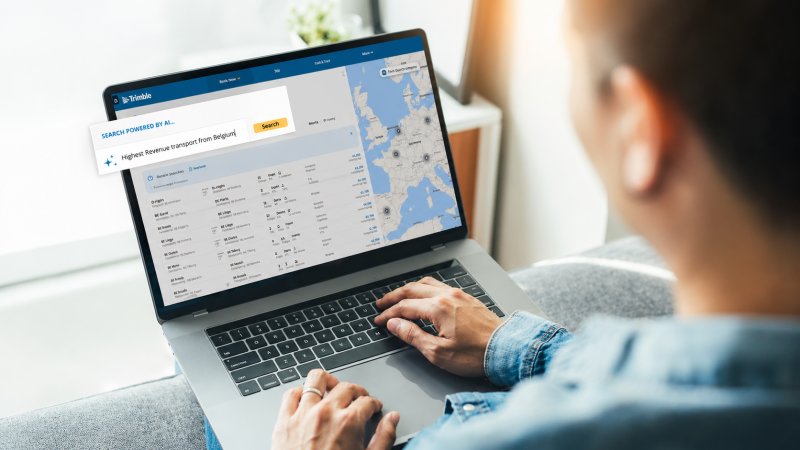







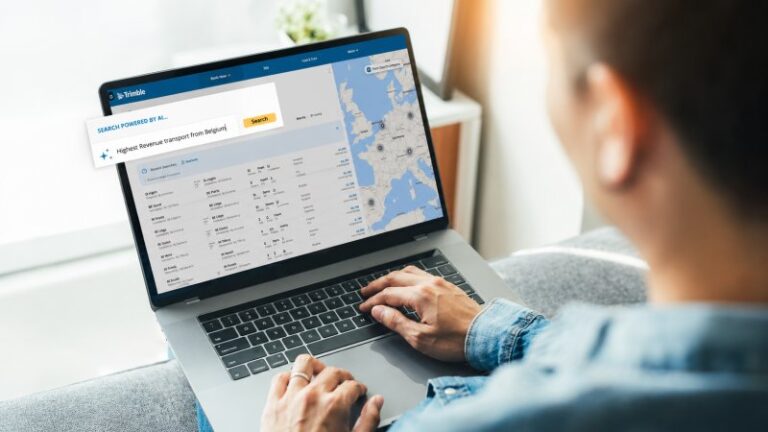
Transporeon has made the Natural Language Search feature available from April 2026 in Europe and North America to all carrier users of its Autonomous Procurement solution. The aim is to reduce the number of steps hauliers need to find suitable loads, replacing traditional searches based on multiple filters with written requests in natural language. The feature is based on generative artificial intelligence and allows carriers to describe directly the transport they are looking for. A user can type, for example, "refrigerated loads from Naples to Milan with collection within the next 48 hours" and receive relevant results linked to Buy-It-Now offers generated through artificial intelligence. According to Transporeon, this shifts the search process from a sequence of selections and filters to a more direct route to booking.
For carriers and freight forwarders, the most important innovation concerns the time spent selecting opportunities. Within Autonomous Procurement, operators may be faced with hundreds of personalised offers. In this context, every minute spent scrolling through lists or combining filters reduces the time available to accept transports that match vehicle availability, served routes, collection windows and operational requirements. Natural Language Search acts precisely at this stage: instead of setting separate fields for origin, destination, vehicle type, temperature-controlled transport or collection date, the carrier can enter a complete sentence. The platform interprets the intent behind the request and returns the most relevant loads. For an operator who already knows the route or the vehicle to be used, the benefit lies in reducing clicks and reaching a bookable offer more quickly.
According to data collected by Transporeon during the pilot phase, the tool interpreted user intent with accuracy of more than 90%. This is considered a significant figure because natural-language search can be useful only if it can correctly distinguish elements such as origin, destination, load type, required equipment and time window. Otherwise, the carrier could receive irrelevant results and lose the time saved during the input stage. Transporeon says the trial began with a major US logistics intermediary managing 790 carriers. During the pilot, 79% of the carriers involved used the AI-based tool and successfully completed at least one search.
Usage data also show a split between access from desktop workstations and mobile devices. Some 72% of searches were carried out from desktop workstations, while 28% came from mobile devices. For freight transport, this has an important practical implication: access to digital load platforms is no longer tied only to the transport office, but extends to situations in which the carrier or coordination staff need to check opportunities away from a traditional workstation. According to initial data released by Transporeon, Natural Language Search can increase the conversion rate from search to booking by up to 25%.
Integration with Buy-It-Now offers is another operational element of the new feature. Once results matching the request have been obtained, the carrier can accept the offer in real time, without further negotiation. Transporeon cites the example of an operator searching for a "curtainsider semi-trailer from Rotterdam to Munich for tomorrow": the platform can immediately display offers matching the criteria entered, allowing the load to be secured within seconds.
Jonah McIntire, Chief Platform Officer Transportation & Logistics at Trimble, linked the development of the feature to feedback received from carriers. According to McIntire, operators think about loads in a natural way, while traditional tools force them to translate operational needs into filters and menu options. Natural Language Search therefore aims to remove this gap between the way carriers express their requirements and the way the platform organises the search.