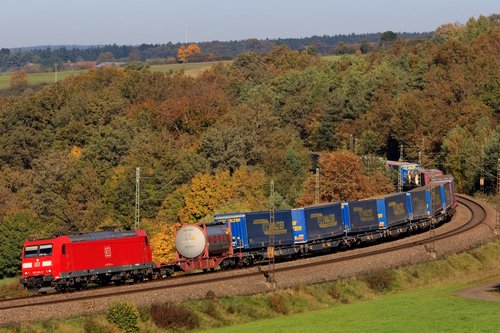
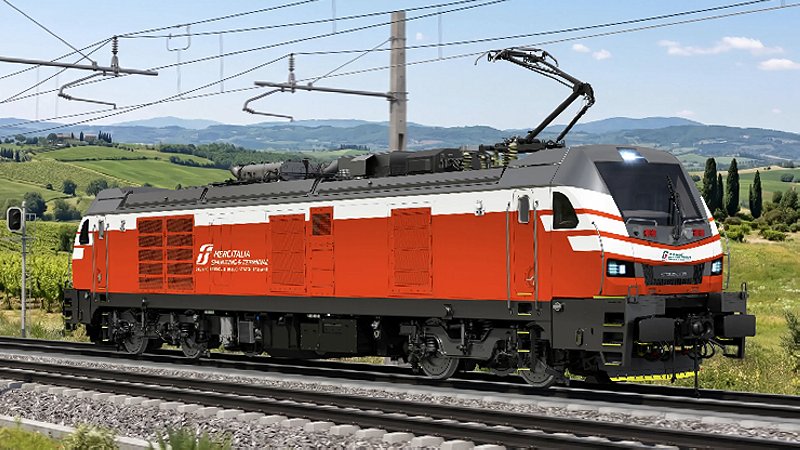


Germany is giving with one hand and taking away with the other. The German Bundesministerium für Verkehr (Federal Ministry of Transport) has increased the funding available to support single wagonload freight transport by €84 million, while at the same time rail infrastructure manager DB InfraGo has requested a 12.6% increase in track access charges for 2027. The additional funding provides some relief for companies using single wagonload services, a segment that accounts for 18% of total rail traffic in Germany and which the German authorities see as an important means of encouraging a shift from road to rail. The additional €84 million comes on top of the €300 million already made available for the whole of 2026.
According to the Bundesministerium für Verkehr, single wagonload services, known in Germany by the acronym Swl, are particularly aimed at the chemical, steel and automotive industries and benefit from a network spanning around 2,000 authorised terminals. This model allows smaller volumes of freight to be transported and gives companies access to the rail network that would otherwise be unavailable because they cannot provide enough cargo to form complete trains. For the infrastructure manager, single wagonload is a complex and costly system, making targeted financial incentives essential to reduce costs and keep it competitive.
While single wagonload transport therefore benefits from these measures and can look to the future with greater confidence, the outlook for rail freight as a whole is less positive. With subsidies being cut and the prospect of further price increases, the situation is far from promising. The German authorities' plan provides for a reduction in subsidies to support track access charges: in 2027, companies will be able to rely on a €200 million fund, compared with €345 million planned for 2026. The German rail freight association Die Güterbahnen (The Freight Railways) reacted immediately, describing the German government's move as a “wrong signal” because it undermines efforts to keep track access charges competitive with all-road transport.
As if that were not enough, infrastructure manager DB InfraGo has asked the federal authorities for a 12.6% increase in track access charges for 2027. The final decision, however, rests with the Bundesministerium für Verkehr. If the request is approved, rail companies are estimated to face additional costs of more than €100 million compared with the tariffs currently in force. Die Güterbahnen criticises DB InfraGo for pursuing a policy of financial rigour that it says is entirely disconnected from the need to avoid penalising rail transport and, above all, to set rail charges with due regard to the railway's competitive position. In addition to being financially disadvantaged by higher charges, rail companies would also face uncertainty because train paths are normally booked months in advance, before the final actual costs are known. Operators argue instead that the Bundesministerium für Verkehr should plan long-term pricing policy without making premature moves, thereby giving companies greater certainty.
Piermario Curti Sacchi