







The Autoridad del Canal de Panamá (Panama Canal Authority) confirmed at the end of April 2026 that some ships had paid more than $1m, equivalent to about €930,000, at auction to secure a transit slot. The trend intensified between March and April and has been attributed by the Authority to strong demand, rather than chronic congestion in the infrastructure. However, the increase does not affect all traffic crossing the canal. According to the Authority, most vessels continue to use bookings made well in advance, long-term contracts or dedicated channels for specific cargo categories. Auctions instead cover a narrower share of transits, generally between three and five slots a day, intended for vessels seeking passage at short notice.
The Authority also said that, before tensions in the Middle East increased, average auction prices were usually between $135,000 and $140,000, or about €126,000 to €130,000. Between March and April, the average rose to about $385,000, equivalent to around €358,000. The Authority has also played down some reports that a liquefied petroleum gas carrier had paid as much as $4m, about €3.7m, for a single transit slot.
In the first four months of the fiscal year, up to January 2026, transits rose by 2.8% compared with the previous year, reaching 4,156 vessels. The upward trend continued in the following months: between October 2025 and February 2026, ocean-going transits totalled 5,139, up 3.4% year on year, with monthly peaks of more than 1,000 transits. This increase was driven mainly by energy tankers, LNG carriers, energy product vessels and car carriers. For these segments, transit predictability can carry high operational value, as it affects continuity of supply, vessel rotation and the scheduling of subsequent port calls.
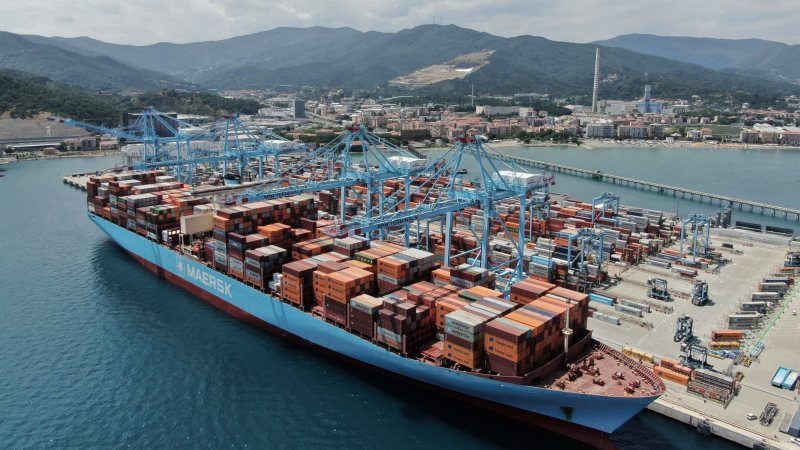
For container transport, the main effect is not a generalised rise in costs for every vessel, but the creation of a transit premium when a service must meet tight schedules or when a vessel falls outside slots already booked. Shipping lines operating services with strong punctuality requirements may accept higher marginal costs to avoid delays, especially when alternative routes involve longer transit times or greater uncertainty. The impact on freight rates therefore depends on the composition of the service, the value of the goods, capacity availability and the scope to reschedule port calls. The signal for shippers is that advance booking and visibility over vessel scheduling are becoming more important on routes using the Panama Canal. Where transit is purchased at auction, the cost can be passed on selectively to urgent shipments, higher-reliability services or products with margins that can absorb the surcharge.
Antonio Illariuzzi