





Array ( [0] => 8 [1] => 40 )

Podcast K44

Cronaca

  • A Parma 162 infrazioni nell’autotrasporto primi sette mesi 2026

    A Parma 162 infrazioni nell’autotrasporto primi sette mesi 2026

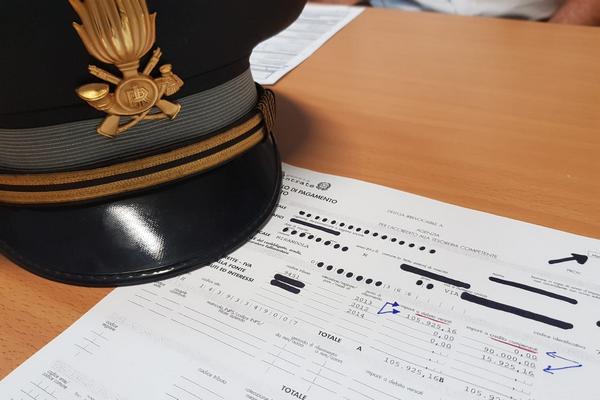
    Nei primi sette mesi del 2026, la Polizia Locale di Parma ha controllato 65 veicoli industriali lungo le principali arterie, contestando 162 infrazioni tra cronotachigrafo, velocità e riposi. Tra i casi più gravi, la manomissione dei sigilli di un sistema Kitas.

Transpotalk

Normativa

Mare

  • La navigazione a Hormuz resta ai minimi termini

    La navigazione a Hormuz resta ai minimi termini

    Il transito delle navi nello stretto di Hormuz mostra ancora numeri bassi. L’Iran ha esteso il numero delle navi bandite a 56 le navi bandite e ha colpito due petroliere saudite, uccidendo due marittimi filippini. Washington rivendica volumi il passaggio record di greggio, ma il tracciamento indipendente mostra maggiore cautela.

Autotrasporto

  • L’Autorità portuale scioglie le riserve per nuovo autoparco di Genova

    L’Autorità portuale scioglie le riserve per nuovo autoparco di Genova

    L'Autorità di Sistema Portuale del Mare Ligure Occidentale ha comunicato lo scioglimento di ogni riserva sul progetto dell’autoparco di Genova sull’area Erzelli2. Ora Partono i tavoli di lavoro per l'affinamento tecnico e per l'inserimento dell'opera nel nuovo Piano Regolatore portuale.

    On 29 August the US de minimis regime will end for all

    From 29 August 2025, all international shipments bound for the United States with a value of 800 dollars or less will no longer benefit from exemption from customs duties. This shift is enshrined in an executive order signed by the President on 30 July, which brings an end to the so-called de minimis regime for all imported goods, regardless of their origin, declared value, or transport method.

    Until now, the de minimis threshold, set by US federal law, allowed American consumers to receive parcels from abroad without paying taxes or duties as long as the goods did not exceed a value of 800 dollars. This mechanism has supported the growth of global e-commerce for years, enabling millions of users to purchase products from international platforms such as Temu, Shein or Alibaba without incurring additional customs charges. However, according to the US administration, this very exemption has become a critical vulnerability for the country's economic and national security.

    The White House justifies the decision as a necessary measure to combat tariff evasion practices and illicit trafficking, particularly of synthetic opioids such as fentanyl, which are often brought into the United States through small postal packages. The executive order makes explicit reference to the urgency of addressing an extraordinary and unusual threat to national security and the economy, deeming it necessary to suspend the preferential treatment provided by the de minimis rule.

    In the preceding months, the government had already introduced similar measures selectively against specific trade partners, including Canada, Mexico, China and Hong Kong. Those suspensions were justified by the need to enforce tariffs introduced to correct persistent trade imbalances and to stem the flow of suspicious goods. With the 30 July order, however, the suspension is extended to all countries, without exception, and becomes a structural measure.

    From an operational standpoint, the new rules will take effect at the end of August and will differentiate shipments based on the transport channel used. Goods that do not pass through the international postal network will be subject to all applicable duties, taxes and excise charges, regardless of their value. For these shipments, a formal customs declaration via the Automated Commercial Environment (ACE) system will also be mandatory. Postal shipments, on the other hand, will remain temporarily exempt from standard duties but will be subject to specific transitional tariffs until new procedures are defined by US customs.

    The US President has stated that the measure will remain in place for as long as the economic and security threats that prompted it are considered to persist. The decision was taken following an official communication from the Secretary of Commerce, who confirmed that customs authorities are now capable of efficiently managing the new regime, even on a global scale.


    © TrasportoEuropa - Riproduzione riservata - Foto di repertorio
    Segnalazioni, informazioni, comunicati, nonché rettifiche o precisazioni sugli articoli pubblicati vanno inviate a: redazione@trasportoeuropa.it


      Puoi commentare questo articolo nella pagina Facebook di TrasportoEuropa

      bottone newsletter piccolo Vuoi rimanere aggiornato sulle ultime novità sul trasporto e la logistica e non perderti neanche una notizia di TrasportoEuropa? Iscriviti alla nostra Newsletter con l'elenco ed i link di tutti gli articoli pubblicati nei giorni precedenti l'invio. Gratuita e NO SPAM!


    CONTENUTI SPONSORIZZATI


Videocast K44

Ferrovia

  • Nuovo rinvio per l’apertura del Terzo Valico

    Nuovo rinvio per l’apertura del Terzo Valico

    L’apertura del terzo Valico ferroviario tra Genova e Milano subisce un ennesimo rinvio e slitta al 2029. Lo ha dichiarato il commissario straordinario dell’opera. Al rallentatore anche gli altri potenziamento della ferrovia.

Persone

  • Morto il re della logistica Klaus-Michael Kühne

    Morto il re della logistica Klaus-Michael Kühne

    Il 24 agosto 2026 è morto a 89 anni Klaus-Michael Kühne, uno degli uomini più potenti della logistica europea. Senza figli, aveva destinato l'intero patrimonio imprenditoriale alla Kühne Foundation, che attraverso Kühne Holding controlla il 60,1% di Kühne+Nagel, il 30% di Hapag-Lloyd e oltre il 20% di Lufthansa.
Krone presenterà allo IAA 2026 l’ecosistema digitale del semirimorchio

TECNICA

Krone presenterà allo IAA 2026 l’ecosistema digitale del semirimorchio
previous arrow
next arrow
DHL completa la riorganizzazione societaria

LOGISTICA

DHL completa la riorganizzazione societaria
previous arrow
next arrow
Operazioni estive della Finanza contro frodi al gasolio

ENERGIE

Operazioni estive della Finanza contro frodi al gasolio
previous arrow
next arrow
La Norvegia intensifica la digitalizzazione della Dogana

SERVIZI

La Norvegia intensifica la digitalizzazione della Dogana
previous arrow
next arrow