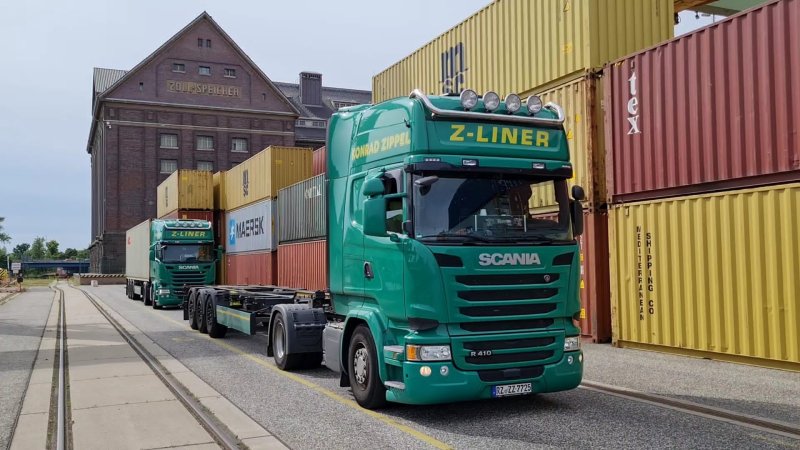







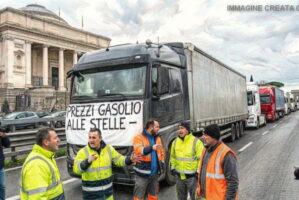
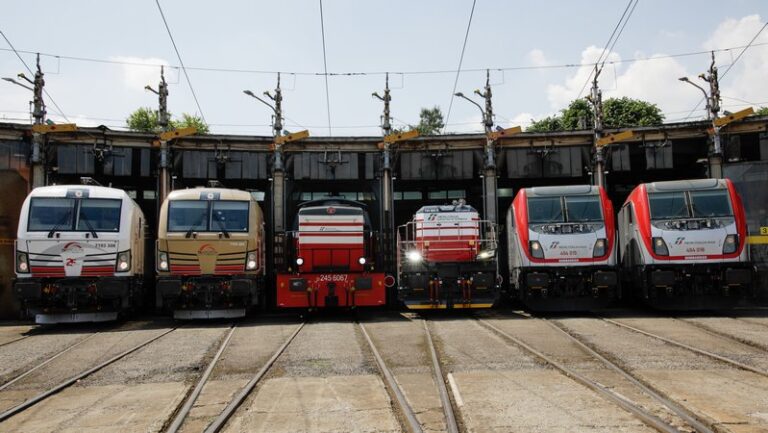
HVO biofuel is being used in the operations of Mercitalia Rail and Mercitalia Shunting & Terminal, the FS Logistix companies that manage rail freight transport and shunting operations at terminals respectively. The trial, announced on 14 August, involves the rail and road fleets of the logistics division of FS Group. At Mercitalia Rail, the trial covers two locomotives, one for traction and one for shunting, with consumption of around 15,000 litres of biofuel. At Mercitalia Shunting & Terminal, HVO is powering the shunting locomotives used at the Santo Stefano Magra and Valdellora terminals. On the road, biodiesel has been introduced through the gradual renewal of the fleet, with 21 Euro VI industrial vehicles running on this fuel.
The first-year results reported by FS Logistix remain modest in volume terms: in 2025, the group’s companies consumed around 19,000 litres of HVO, avoiding the emission of about 40 tonnes of carbon dioxide compared with fossil diesel, a figure the company compares with the annual emissions of 15 to 20 cars. "Adopt concrete, already available and measurable solutions, capable of reducing the environmental impact of our activities and generating value for customers", said FS Logistix chief executive Sabrina De Filippis, describing the direction of the trial. "For FS Logistix, sustainability is not an area separate from the business, but the way in which we interpret our industrial role".
The initiative forms part of the decarbonisation pathway of FS Logistix companies and the sustainability targets of FS Group, which is aiming for Net Zero by 2040. In the medium term, the reference point is the target set for 2030: to bring the share of HVO in road transport to 60%. HVO can be used in existing diesel engines without any changes to vehicles or refuelling infrastructure, a condition that explains the decision to start with shunting locomotives and vehicles already in the fleet.