







The second phase of upgrade works on Slovenia’s H4 expressway, on the Vipava-Razdrto section between Razdrto, Vipava and Vrtojba, has been under way since 5 July 2026. The carriageway towards Nova Gorica and Italy will remain completely closed for 132 days, until the end of November. Heavy goods vehicles over 3.5 tonnes travelling towards Italy must divert along Slovenia’s A1 motorway to the Fernetti border crossing, near Sežana. On the section affected by the works, only one lane remains open, with alternating traffic, while the second lane is reserved for emergency vehicles, according to Dars, the operator of Slovenia’s motorway network.
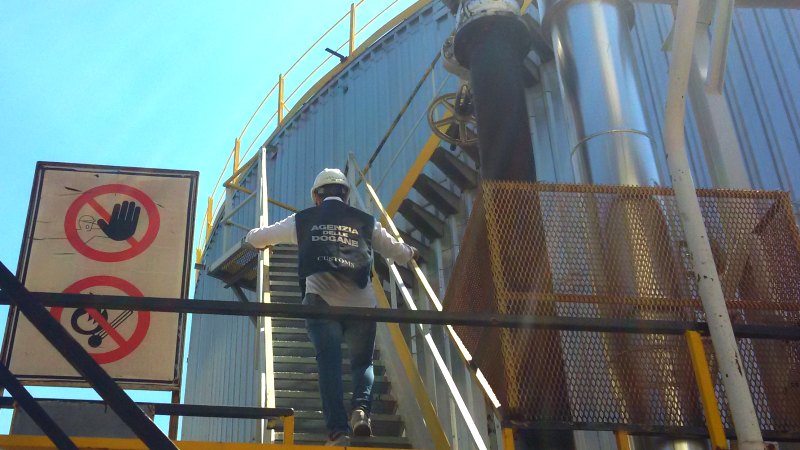
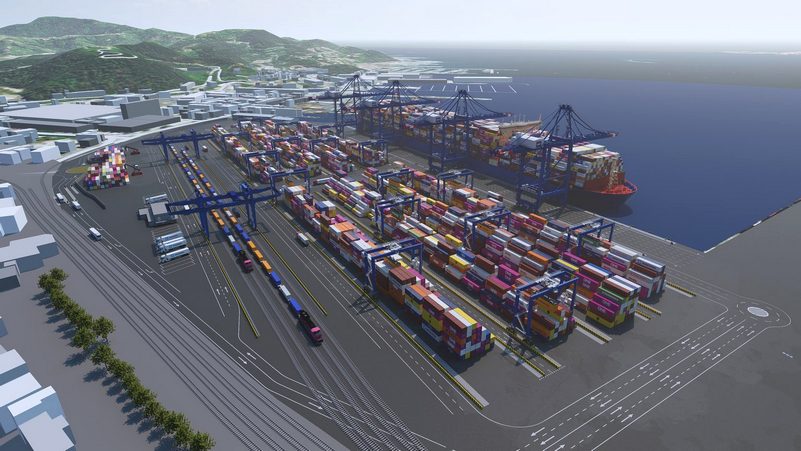
The most severe impact will be felt at the Lisert toll barrier and on the A4 motorway section between Lisert and Villesse, but the Fernetti-Sežana and Vrtojba-Sant’Andrea border crossings, in Gorizia, will also be affected. Disruption will extend to the Italian intermodal terminals of Fernetti and Sdag, in Gorizia, where customs checks linked to the temporary suspension of Schengen controls will add to the congestion expected because of the closure. The works began with a first phase, from 18 August to the end of November 2025, lasting 100 days, which had already caused queues of up to five kilometres and a 42% increase in heavy goods vehicle transits at Lisert on the first day of closure. The Slovenian schedule also included preparatory works on the same section as early as last April and May.
The project concerns the upgrading of the H4 road surface and infrastructure in the Vipava Valley, planned by the Slovenian authorities since 2024 and due to continue, in several phases, until the end of 2026. The section between Vipava and Razdrto does not allow works to be carried out safely while maintaining two-way traffic for heavy goods vehicles, hence the need for a full diversion of HGV traffic.
Simulations by Autostrade Alto Adriatico, presented during the meeting at the Prefettura (Prefecture) in Trieste on 7 May, estimate an increase in heavy goods vehicle transits at the Lisert barrier, with queues of up to three kilometres on the exit towards Trieste at peak times. The mitigation measures agreed between the Italian and Slovenian authorities include strengthening contactless payment at the toll booth, the use of safety cars in cooperation with the Traffic Police and, in the event of prolonged queues, the diversion of light vehicles onto the A34 Villesse-Gorizia. During the first phase in 2025, the Friuli Venezia Giulia Region allocated €550,000 for free parking at the Sdag intermodal terminal and toll relief on the Lisert-Villesse section: measures which, according to the meeting, could also be reactivated during this second phase.
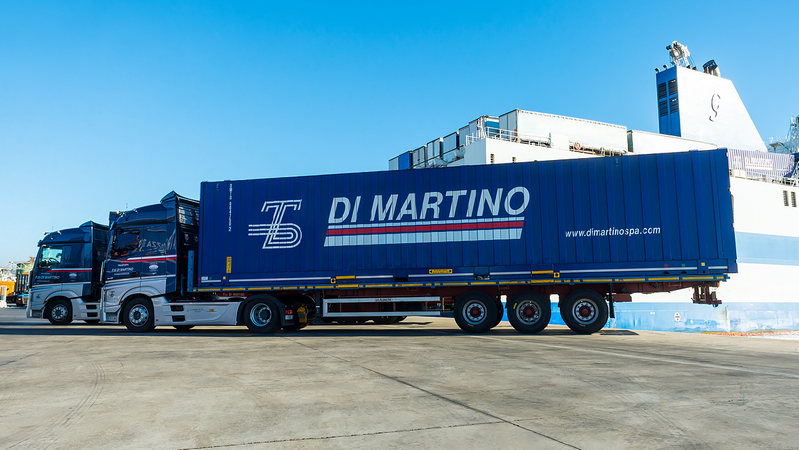
For road hauliers, the main issue is the obligation to travel via Fernetti instead of Vrtojba or Gorizia when heading to Italy, concentrating flows at a single border crossing and potentially slowing customs checks, made more difficult by the current suspension of Schengen controls. During the first phase in 2025, up to 7,235 daily heavy goods vehicle transits were recorded at Lisert; for the new closure, projections indicate peaks of up to 7,000 heavy goods vehicles a day, with queues having already reached five kilometres in the previous phase.
P.R.