







DB Cargo confirmed in June 2026 a restructuring plan that will cut around 6,200 jobs in Germany by 2030, equivalent to almost half of its current domestic workforce of about 14,000 employees. The measure is linked to obligations imposed by the European Union on state aid and to the need to return the freight division of the German rail group to profit. The aim is to complete the downsizing by 2030, with an initial turnaround already in 2026 to meet the conditions set by Brussels. An agreement has already been reached with employee representatives, the so-called Interessenausgleich.
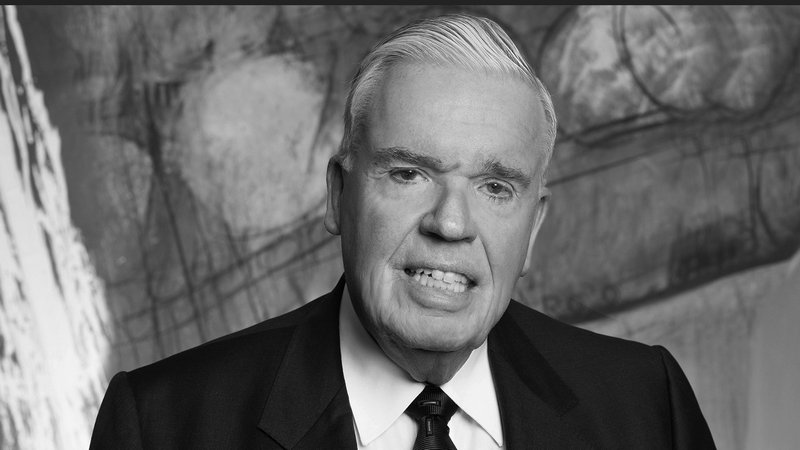
Leading this complex and sensitive process is the new chief executive of DB Cargo, Bernhard Osburg, who has been in office since late 2025 and has repeatedly stressed the need to cut almost half the workforce for cost reasons. According to his statements, the reduction will affect "almost all areas" of the company: drivers and shunting staff, dispatching, planning, head offices, sales and IT. It will be carried out through a combination of early retirement, non-replacement of staff turnover and direct cuts, supported by social protection mechanisms. A significant share of the reduction is expected to take place within the next four years. In 2025, more drastic scenarios had circulated, with up to 8,000 jobs at risk, linked in particular to the downsizing of the single-wagonload transport network. Those scenarios have now been incorporated into the plan announced in recent days.
DB Cargo has been heavily loss-making for years and the European Commission has authorised public support for the company on condition that it becomes fully sustainable and returns to profit by the end of 2026, within the framework of state aid rules and the need to avoid distorting competition in rail freight transport. Since 2025, the company has launched an internal reorganisation based on customer-focused units with profit responsibility, including the Rail Logistics division serving steel, automotive, liquids and bulk, full-trainload and single-wagonload transport, replacing the previous integrated production structure. The restructuring includes the discontinuation of unprofitable services, a review of service patterns, higher train utilisation rates, targeted price increases and new "direct train" concepts.
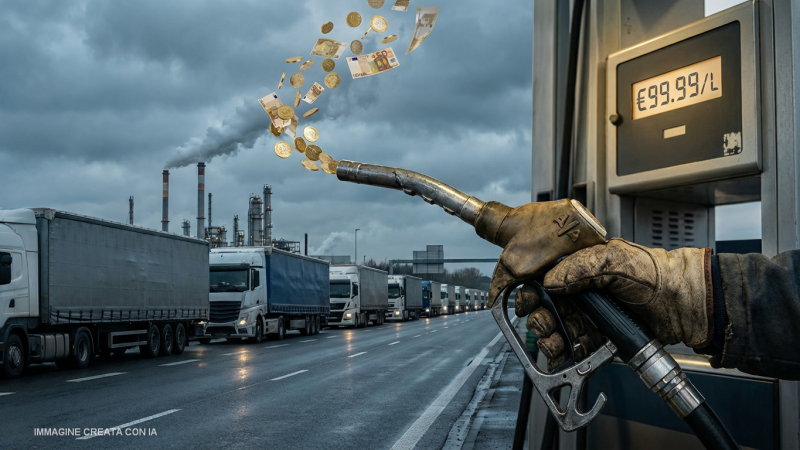
The rationalisation may involve a sharp contraction in single-wagonload transport, a segment that has historically been important in Germany for the steel, chemicals, automotive and construction industries. Trade associations and unions have already warned of the risk that key rail links could be cut, with some freight shifting to road and consequences for costs, congestion and Germany’s climate targets. The Federal Government says the restructuring is intended to prevent the break-up of the freight division or its full privatisation.
Antonio Illariuzzi