


Array ( [0] => 8 [1] => 41 )

Podcast K44

Cronaca

  • Camionista spara a un collega con pistola scacciacani

    Camionista spara a un collega con pistola scacciacani

    Un camionista di 42 anni è stato denunciato dalla Polizia Stradale di Modena per minaccia aggravata dopo aver esploso un colpo con una pistola scacciacani contro un collega lungo l'A1, al culmine di una lite tra autotrasportatori nei pressi di Modena Nord.

Transpotalk

Normativa

Mare

  • Fratelli Neri assume il controllo del terminal livornese Tml

    Fratelli Neri assume il controllo del terminal livornese Tml

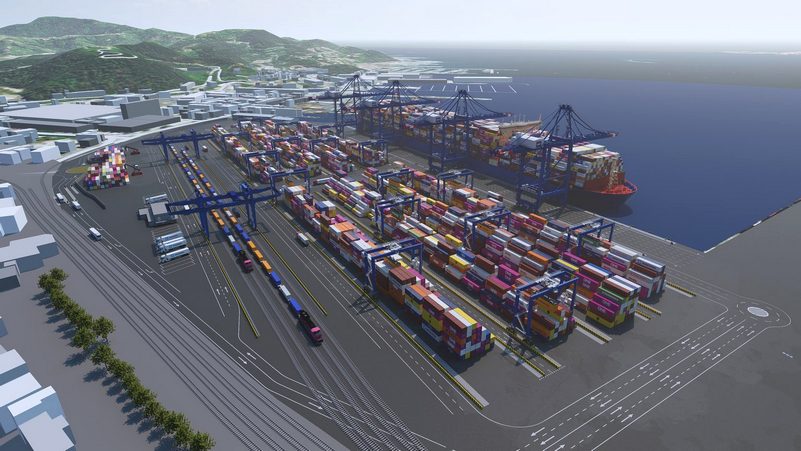
    Fratelli Neri rileva, con la controllata Cilp, il 66,67% di Terminal Marittimo Livorno, la società che gestisce la Darsena Uno per conto del gruppo Moby. L'Antitrust non ha ravvisato obbligo di notifica preventiva, mentre resta aperto il nodo della futura concessione pluriennale delle aree.

Autotrasporto

  • Camion fermi allo Stretto di Messina sono un disagio cronico

    Camion fermi allo Stretto di Messina sono un disagio cronico

    La Lega Autisti Autotrasportatori Indipendenti Siciliani Nazionale denuncia attese fino a sei ore per l'imbarco a Tremestieri e al Porto Storico di Messina durante l'esodo estivo. Non è un caso isolato: il problema si trascina da anni, tra proteste, esposti e promesse rimaste in gran parte sulla carta.

    Container traffic falls in Italy in the first quarter of 2026

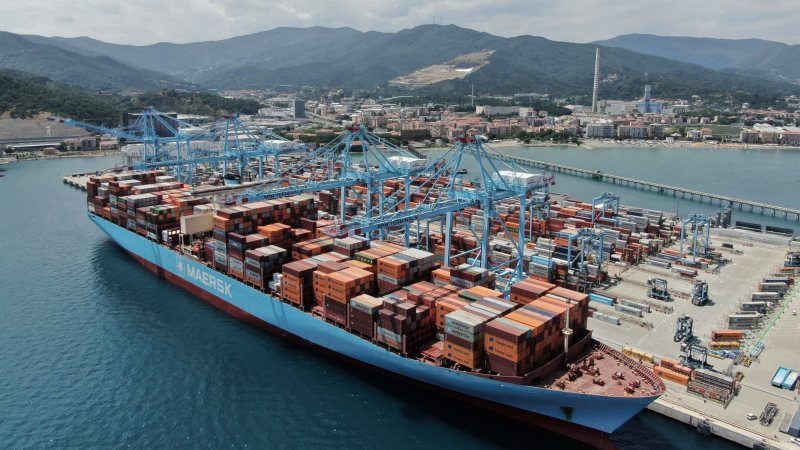
    In the first quarter of 2026, container handling at Italian ports fell by 4.6% compared with the same period the previous year. The figure, compiled by Centro Studi Fedespedi (Fedespedi Research Centre) and presented at the federation’s 80th anniversary assembly in Genoa, highlights a structural trend that Italy’s port sector has long been familiar with: the gradual marginalisation of the eastern Mediterranean from the main ocean routes.

    Fedespedi identifies the main cause of the decline as growing instability in the Middle East, particularly in the Iran-Red Sea area, which has prompted a large number of shipping services to avoid the Suez Canal in favour of the alternative route via the Cape of Good Hope. This rerouting means longer transit times, higher operating costs and, above all, a redistribution of key port calls across the Mediterranean basin. Ports closer to Gibraltar, including Tanger Med and the main Spanish ports, have benefited compared with Italian ports, which are geographically disadvantaged by the new configuration of ocean routes.

    The impact, however, has not been evenly distributed across the country. The Adriatic side has been hit hardest: Trieste, the leading container port on the Adriatic, recorded a 23.6% decline in the first quarter of 2026, a fall that strongly reflects the repositioning of major ocean carriers towards the Tyrrhenian Sea and ports in the western Mediterranean. Trieste’s traffic profile, historically geared towards central and eastern European markets through connections with Asia-Europe routes, makes it particularly exposed to itinerary changes caused by the crisis in the Bab el-Mandeb Strait. Against this backdrop, Ravenna stands out as a relative exception. The Romagna port performed better than the national average, which Centro Studi Fedespedi partly attributes to a different mix of traffic and routes served, less dependent on the major ocean loops passing through Suez and more focused on short- and medium-haul links within the Mediterranean basin.

    The first-quarter 2026 figure should be read in relation to trends in previous years to fully understand its significance. In the first quarter of 2024, Italian ports had already recorded a 3.2% contraction, which at that stage was linked to the initial effects of the Red Sea crisis and the first rerouting of ocean services. 2025 then marked a reversal: in the first quarter of that year, Fedespedi reported a 4.2% increase, with an overall recovery in volumes and rising profits for shipping companies. The 4.6% fall in 2026 therefore interrupts this recovery phase and appears not simply as a negative cyclical figure, but as the result of a deterioration in the geopolitical environment which, contrary to expectations of normalisation, has worsened further.

    The 2024-2025-2026 sequence points to a situation in which the decisive variable is not transport demand, which remains strong globally, but the geography of routes, which is changing in response to external political and military pressures. For Italian ports, and particularly Adriatic ports, the challenge is therefore not one of capacity or operational efficiency, but of positioning within a route network that is structurally tending to favour the western Mediterranean until the current crisis reaches a stable resolution.

    Mara Gambetta

    © TrasportoEuropa - Riproduzione riservata - Foto di repertorio
    Segnalazioni, informazioni, comunicati, nonché rettifiche o precisazioni sugli articoli pubblicati vanno inviate a: redazione@trasportoeuropa.it


      Puoi commentare questo articolo nella pagina Facebook di TrasportoEuropa
      bottone newsletter piccolo Vuoi rimanere aggiornato sulle ultime novità sul trasporto e la logistica e non perderti neanche una notizia di TrasportoEuropa? Iscriviti alla nostra Newsletter con l'elenco ed i link di tutti gli articoli pubblicati nei giorni precedenti l'invio. Gratuita e NO SPAM!


    CONTENUTI SPONSORIZZATI


Videocast K44

Aereo

  • Rallenta la crescita a luglio 2026 dei noli aerei

    Rallenta la crescita a luglio 2026 dei noli aerei

    I noli spot del trasporto aereo delle merci sono saliti del 28% su base annua a luglio, a 3,12 dollari per kg, ma il ritmo di crescita rallenta per il secondo mese consecutivo. Secondo Xeneta il mercato affronta una seconda metà del 2026 più debole, con pochi segnali di stagione …

Ferrovia

Persone

  • Morto il re della logistica Klaus-Michael Kühne

    Morto il re della logistica Klaus-Michael Kühne

    Il 24 agosto 2026 è morto a 89 anni Klaus-Michael Kühne, uno degli uomini più potenti della logistica europea. Senza figli, aveva destinato l'intero patrimonio imprenditoriale alla Kühne Foundation, che attraverso Kühne Holding controlla il 60,1% di Kühne+Nagel, il 30% di Hapag-Lloyd e oltre il 20% di Lufthansa.
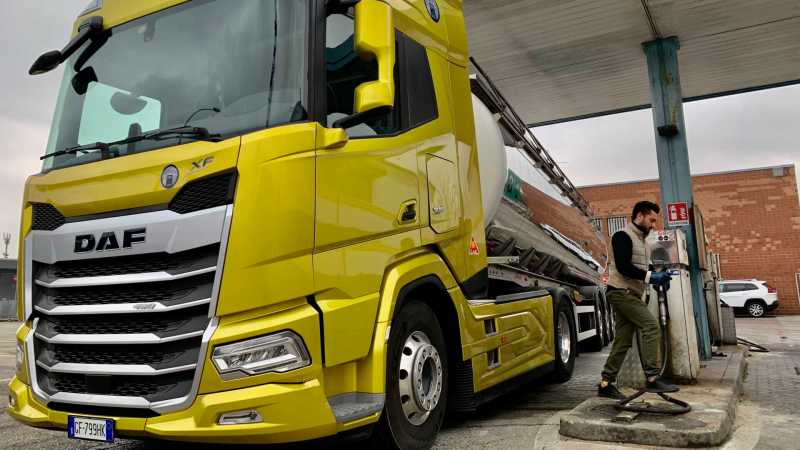
Un Volvo FH speciale per i cent’anni della Casa svedese

TECNICA

Un Volvo FH speciale per i cent’anni della Casa svedese
previous arrow
next arrow
Morto il re della logistica Klaus-Michael Kühne

LOGISTICA

Morto il re della logistica Klaus-Michael Kühne
previous arrow
next arrow
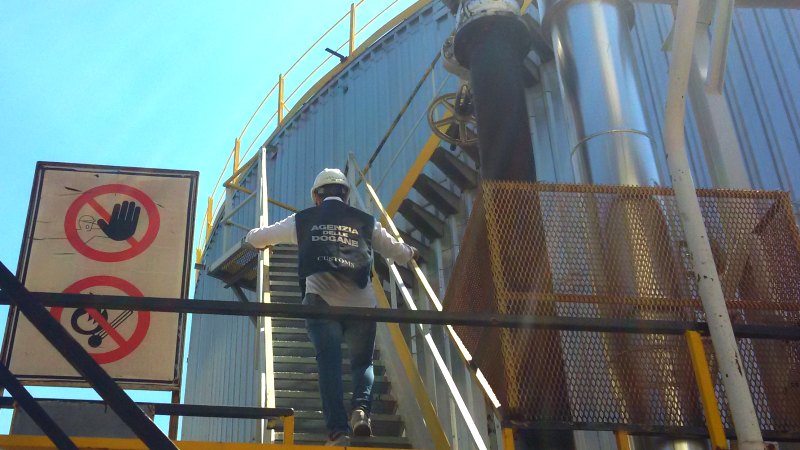
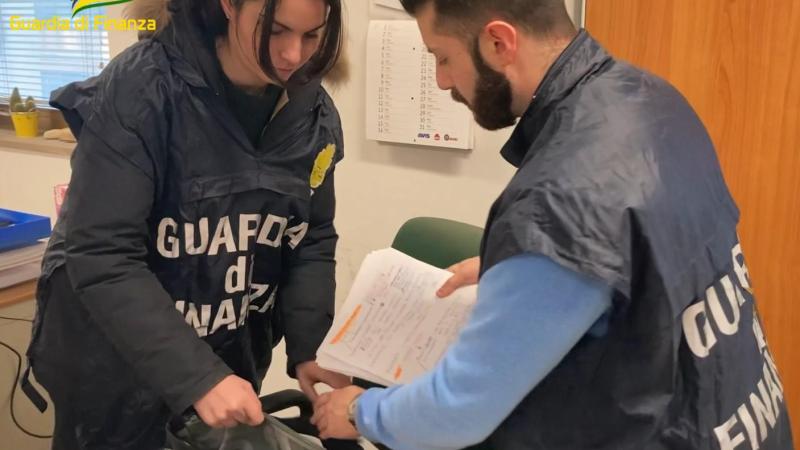
Operazioni estive della Finanza contro frodi al gasolio

ENERGIE

Operazioni estive della Finanza contro frodi al gasolio
previous arrow
next arrow
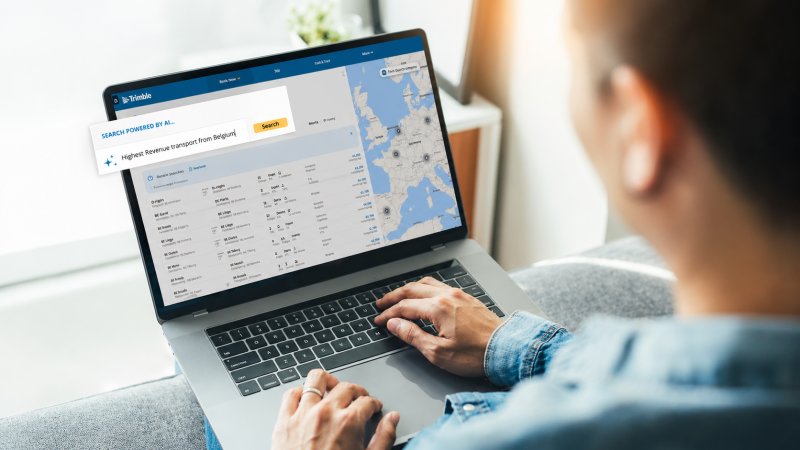
Un agente IA di Trimble dedicato alla logistica

SERVIZI

Un agente IA di Trimble dedicato alla logistica
previous arrow
next arrow