





The Houthis have renewed their threat against shipping in the Red Sea, announcing a “complete and total ban” on the transit of Israeli vessels on 8 June 2026. According to the Yemeni movement, the measure would extend to all vessels considered to have links with Israel, which would once again be classified as military targets. The announcement came alongside a claim of responsibility for new missile launches against Israel and marks a further expansion of the Middle East crisis. For maritime transport, the most sensitive point is Bab al-Mandeb, the strait between Yemen, Djibouti and Eritrea that connects the Gulf of Aden with the Red Sea and, via the Suez Canal, the Mediterranean.
At present, however, there has been no physical or general closure of the strait. Bab al-Mandeb therefore remains open to international traffic, although the level of risk is likely to increase. The Houthis do not necessarily have the capability to prevent every vessel from passing through the strait, which is around 29 kilometres wide at its narrowest point, but they can make navigation dangerous through ballistic and cruise missiles, aerial and naval drones, explosive boats, boardings and seizures.
Recent experience has also shown that the definition of a vessel “linked to Israel” can be interpreted very broadly. The risk does not apply only to Israeli-flagged vessels or ships bound for Israeli ports, but may also extend to companies, shipowning groups or fleets that maintain commercial relations with Israel. During previous campaigns, some of the vessels attacked had only indirect or difficult-to-establish links with the targets declared by the Houthis. US maritime authorities continue to regard vessels with Israeli, US or British associations as particularly exposed, as well as ships belonging to groups that call at Israeli ports. More than 100 Houthi attacks against commercial vessels were recorded between November 2023 and October 2025, affecting operators and seafarers from more than 60 countries.
The new threat could therefore have consequences even without the physical closure of Bab al-Mandeb. Shipowners must reassess route security, fleet ownership structures, vessels’ previous and subsequent port calls, and the exposure of individual ships, at a time when some carriers had resumed sailing towards the Suez Canal. The likelihood of higher war-risk insurance premiums and further restrictions imposed by insurers and security companies is also increasing.
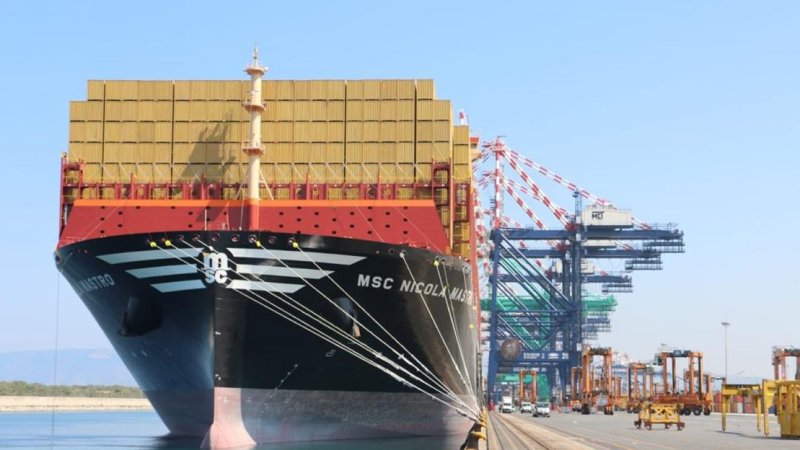
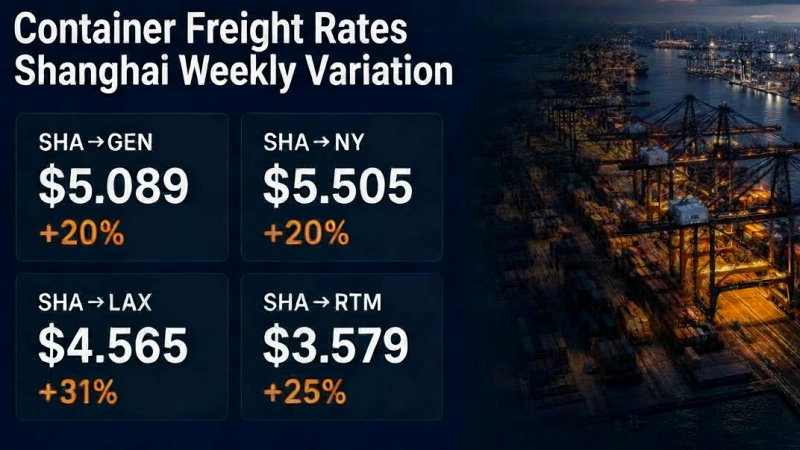
For container traffic between Asia and Europe, the return of instability pushes back the prospect of a full normalisation of the Red Sea-Suez corridor. A new wave of diversions around the Cape of Good Hope would lengthen vessel rotations, increase fuel consumption and absorb shipping capacity, with possible repercussions for freight rates, schedule reliability and container availability.
The risk is also high for energy transport. Bab al-Mandeb is one of the main links between the Indian Ocean and the Mediterranean and has become even more important following tensions in the Strait of Hormuz. Saudi Arabia uses its East-West Pipeline to move crude oil to terminals on the Red Sea, but maritime exports must still pass through Bab al-Mandeb to reach Asian markets.
Antonio Illariuzzi