






Array ( [0] => 8 [1] => 41 )

Podcast K44

Cronaca

  • Casello A14 di Riccione chiuso per autocisterna in fiamme

    Casello A14 di Riccione chiuso per autocisterna in fiamme

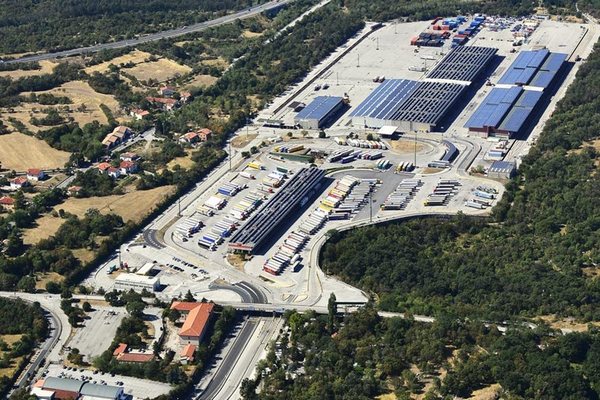
    Un'autocisterna carica di carburante si è ribaltata e ha preso fuoco nei pressi del casello A14 di Riccione nel primo pomeriggio del 18 giugno 2026, causando due feriti ma nessuna vittima accertata. Vigili del Fuoco da Rimini, Forlì e Pesaro sono intervenuti per spegnere l'incendio e gestire il traffico bloccato …

Transpotalk

Normativa

Mare

  • Noli container ai massimi da settembre 2024

    Noli container ai massimi da settembre 2024

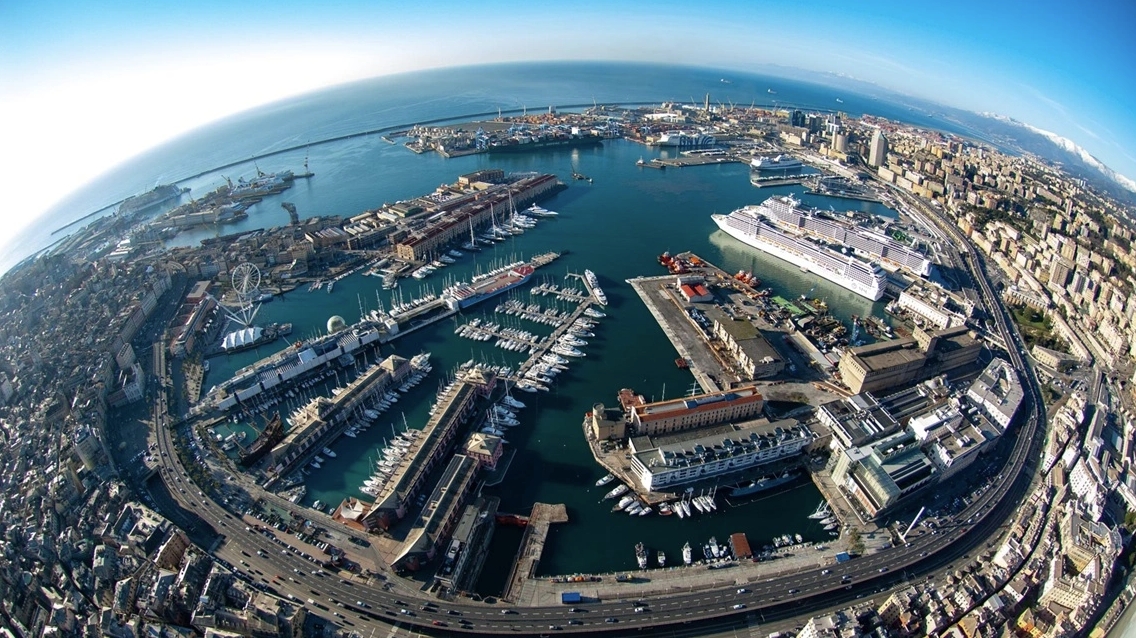
    Il World Container Index di Drewry sui noli medi spot del trasporto marittimo di container sale del 5% nell’ultima settimana completa di giugno 2026, spinto dal transpacifico in piena tensione. Asia-Europa resta stabile ma con capacità limitata, mentre la tregua Usa-Iran allenta i rischi sullo Stretto di Hormuz senza eliminarli …

Autotrasporto

  • Caldo estremo, gli obblighi dell’azienda nell’autotrasporto

    Caldo estremo, gli obblighi dell’azienda nell’autotrasporto

    Le ondate di calore che colpiscono l'Europa riportano al centro il tema della sicurezza degli autisti in cabina: il quadro normativo UE sui riposi si intreccia con gli obblighi datoriali su valutazione dei rischi, dotazioni dei veicoli e organizzazione dei turni nelle condizioni climatiche estreme.

    Cyber scam targets toll payments in the Strait of Hormuz

    On 18 April 2026, as a partial reopening window of the Strait of Hormuz appeared to offer a way out for hundreds of vessels stranded in the Persian Gulf, an oil tanker attempted to exit the strait believing it had authorisation to do so. Iranian units opened fire on the vessel. In radio communications, the master asked forces to cease fire, claiming to have obtained proper clearance. That clearance, according to Greek risk management firm Marisks, was false, the result of a sophisticated scam exploiting the regulatory chaos surrounding the world’s most critical energy chokepoint.

    The Strait of Hormuz is an unrivalled hub in global energy trade: before the escalation in the Middle East, around one fifth of the world’s oil and liquefied natural gas passed through it. With US measures blocking Iranian ports and Iran’s counter-blockade of the strait, hundreds of vessels have been stranded on both sides, involving around 20,000 seafarers and bringing segments of the global energy supply chain to a standstill. In this context, Marisks has issued a formal alert: fraudulent messages are being sent to companies with vessels held west of Hormuz, promising safe passage in exchange for cryptocurrency payments, in bitcoin or USDT, to individuals posing as representatives of the Iranian authorities.

    The mechanics of the fraud are designed to appear credible. Messages follow an apparently bureaucratic process: companies are invited to submit vessel documentation, which is then subjected to a suitability assessment by an unspecified Iranian Security Services. Only after this stage is a fee communicated, payable in cryptocurrency. Once payment is made, the vessel would receive authorisation to transit within a pre-agreed time slot, “without impediment”. Marisks is explicit in its warning: “These specific messages are a scam” and do not originate from any official Iranian channel. Behind the campaign are “unknown actors” whose identity remains entirely unclear, with no public links to known criminal groups or state entities.

    What makes this fraud particularly insidious is that it mimics a real policy discussion. Tehran has floated the idea of a toll regime for transit through the strait, set at around one dollar per barrel transported. For a Very Large Crude Carrier carrying two million barrels, this would amount to roughly two million dollars per passage. The proposed payment methods - bitcoin, digital yuan and stablecoins - explicitly exclude the US dollar in an attempt to bypass sanctions and the Western financial system. This alignment between genuine and fake tolls makes the fraudulent messages difficult to detect for operators working remotely, under pressure and with limited clarity on official channels. Structure, language and even payment instruments are identical; only the recipient of the funds differs.

    The consequences for those caught out are potentially threefold. Financially, payments in bitcoin or USDT to unidentified parties are effectively irrecoverable, and the amounts involved - aligned with real toll levels, in the order of millions of dollars for large tankers - are significant. Physically, victims plan transit based on instructions that are not coordinated with those actually controlling the strait, exposing crews to real danger, as the 18 April incident illustrates. From an insurance and legal perspective, cryptocurrency payments to unidentified parties could constitute breaches of international sanctions, with implications for insurance cover and operator liability.

    A direct link between payment of the fake toll and the 18 April attack remains, from a journalistic verification standpoint, a hypothesis. Reuters and other agencies reporting Marisks’ alert state they have been unable to verify this independently or identify the companies that received the fraudulent messages. Marisks considers it likely that at least one of the vessels targeted that day had paid the fake fee believing it had pre-authorisation for transit, but this assessment is based on confidential information held by the company rather than publicly available documentation. The identity of those behind the fraud - organised crime, regional maritime insiders, or groups exploiting open-source information - remains entirely unclear.

    The case fits into a broader trend long known in the maritime sector: the use of phishing, address spoofing and fake port authority controls to extort money from operators. What sets the Hormuz fraud apart is the combination of an extremely high-tension geopolitical environment, a cryptocurrency-based payment regime introduced by a state actor as an economic policy tool, and the presence of hundreds of stranded vessels. Crews and shipowners are inundated with communications from multiple sources - flag authorities, agencies, brokers and security consultants - making it particularly difficult to distinguish legitimate channels from fraudulent ones.

    Operational recommendations issued by Marisks converge on several points: treat with suspicion any toll payment requests via untraceable channels, verify message authenticity through trusted agents and official channels, avoid activating transit plans based on unconfirmed communications, and inform Protection & Indemnity Clubs and insurance brokers of any payment requests outside established procedures. At the time of writing, no formalised guidelines have been issued by the International Maritime Organization or major shipowner associations, although internal guidance is likely circulating among operators and maritime security centres.

    M.L.

    © TrasportoEuropa - Riproduzione riservata - Foto di repertorio
    Segnalazioni, informazioni, comunicati, nonché rettifiche o precisazioni sugli articoli pubblicati vanno inviate a: redazione@trasportoeuropa.it


      Puoi commentare questo articolo nella pagina Facebook di TrasportoEuropa

      bottone newsletter piccolo Vuoi rimanere aggiornato sulle ultime novità sul trasporto e la logistica e non perderti neanche una notizia di TrasportoEuropa? Iscriviti alla nostra Newsletter con l'elenco ed i link di tutti gli articoli pubblicati nei giorni precedenti l'invio. Gratuita e NO SPAM!



    CONTENUTI SPONSORIZZATI


Videocast K44

Aereo

  • Lufthansa Cargo avvia il nuovo hub merci a Francoforte

    Lufthansa Cargo avvia il nuovo hub merci a Francoforte

    Lufthansa Cargo avvia la prima fase del progetto LCCevo nell’aeroporto di Francoforte da 600 milioni di euro, che entro il 2030 trasformerà il Lufthansa Cargo Center nello scalo aereo merci più moderno d'Europa. In parallelo la compagnia lancia nuovi servizi digitali su WeChat per il mercato cinese.

Ferrovia

  • Ciberattacco a Trenitalia sui dati dei clienti

    Ciberattacco a Trenitalia sui dati dei clienti

    Trenitalia ha inviato il 26 giugno 2026 ai clienti una comunicazione che segnala un incidente di sicurezza informatica con accesso non autorizzato a dati personali legati ai titoli di viaggio. Esclusi dati di pagamento e credenziali di accesso; coinvolti anagrafica, contatti e informazioni di viaggio.

Persone

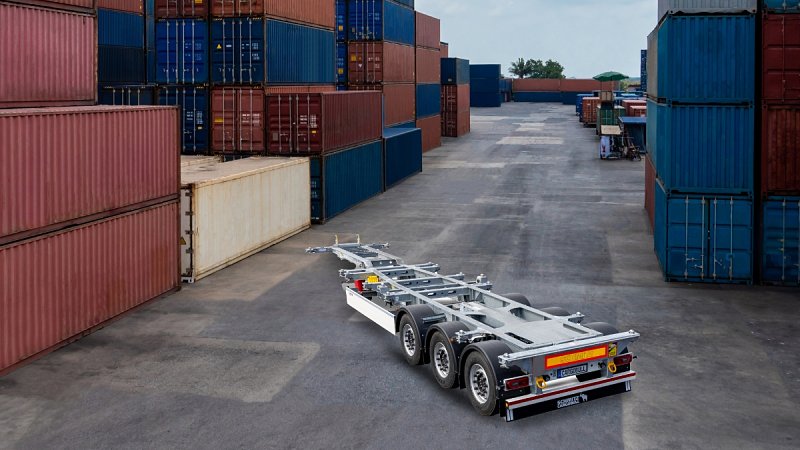
Schmitz Cargobull aggiorna il semirimorchio per container

TECNICA

Schmitz Cargobull aggiorna il semirimorchio per container
Renault Trucks estende l’autonomia dei suoi camion elettrici

TECNICA

Renault Trucks estende l’autonomia dei suoi camion elettrici
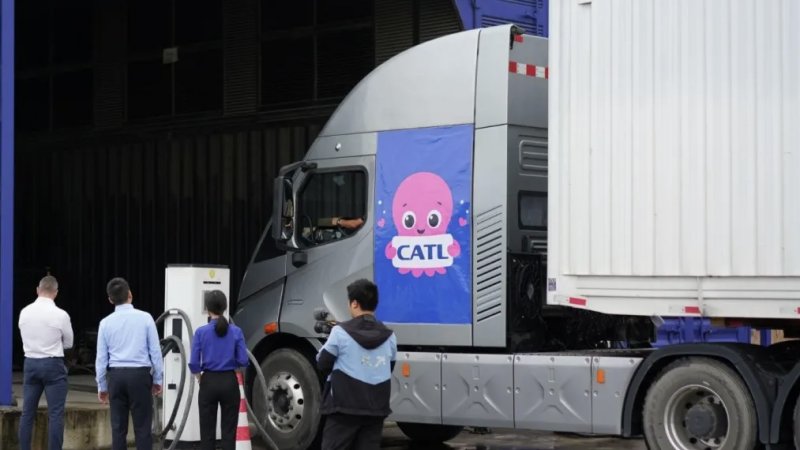
Alleanza Octopus-Catl su scambio batterie per camion elettrici

TECNICA

Alleanza Octopus-Catl su scambio batterie per camion elettrici
Il camion europeo si prepara alla crescita della Difesa

TECNICA

Il camion europeo si prepara alla crescita della Difesa
Still aggiorna quattro gamme di sollevatori e transpallet

TECNICA

Still aggiorna quattro gamme di sollevatori e transpallet
previous arrow
next arrow
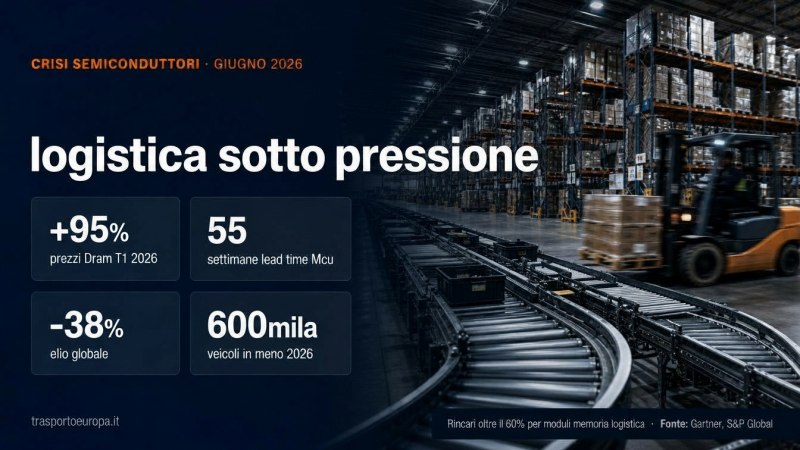
La crisi dei chip e delle memorie colpisce la logistica

LOGISTICA

La crisi dei chip e delle memorie colpisce la logistica
La Cassazione conferma la qualifica di spedizioniere-vettore

LOGISTICA

La Cassazione conferma la qualifica di spedizioniere-vettore
L’interporto di Trieste chiude il 2025 con utili record

LOGISTICA

L’interporto di Trieste chiude il 2025 con utili record
El Niño 2026 minaccia anche la logistica

LOGISTICA

El Niño 2026 minaccia anche la logistica
Liguria ospite d’onore al China International Supply Chain Expo 2026

LOGISTICA

Liguria ospite d’onore al China International Supply Chain Expo 2026
previous arrow
next arrow
Gasolio agricolo sui camion, cinque arresti in Puglia

ENERGIE

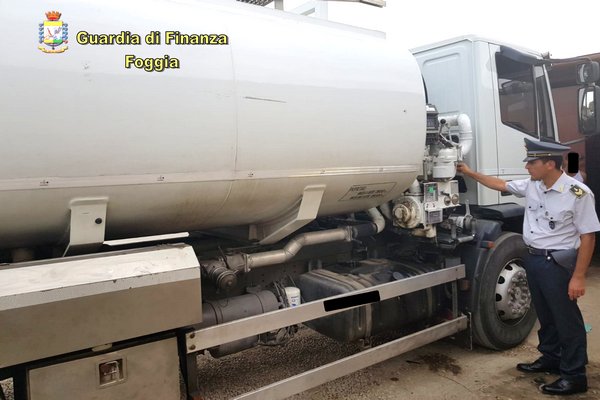
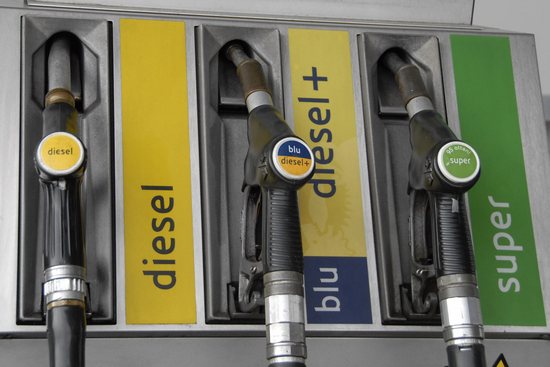
Gasolio agricolo sui camion, cinque arresti in Puglia
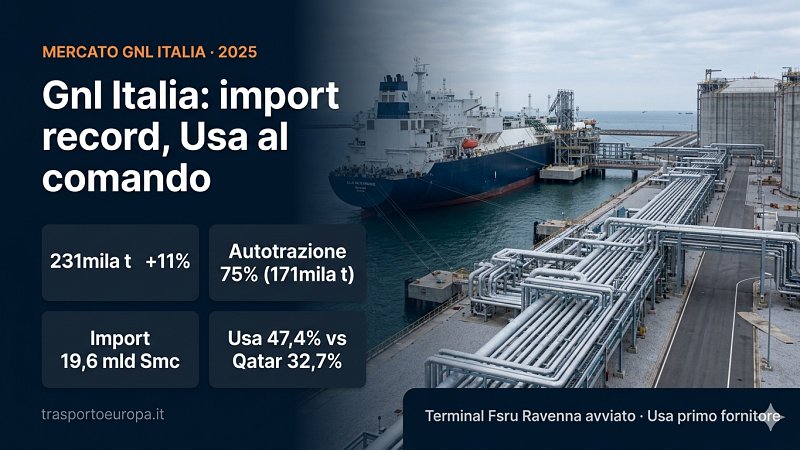
Il Gnl cresce in Italia ma rallenta nell’autotrasporto

ENERGIE

Il Gnl cresce in Italia ma rallenta nell’autotrasporto
Fiap avverte che una causa sul cartello carburante è prematura

ENERGIE

Fiap avverte che una causa sul cartello carburante è prematura
Bruxelles approva il regime italiano da 23 miliardi per le rinnovabili

ENERGIE

Bruxelles approva il regime italiano da 23 miliardi per le rinnovabili
Operazione Red Gold contro frode nei carburanti in Abruzzo

ENERGIE

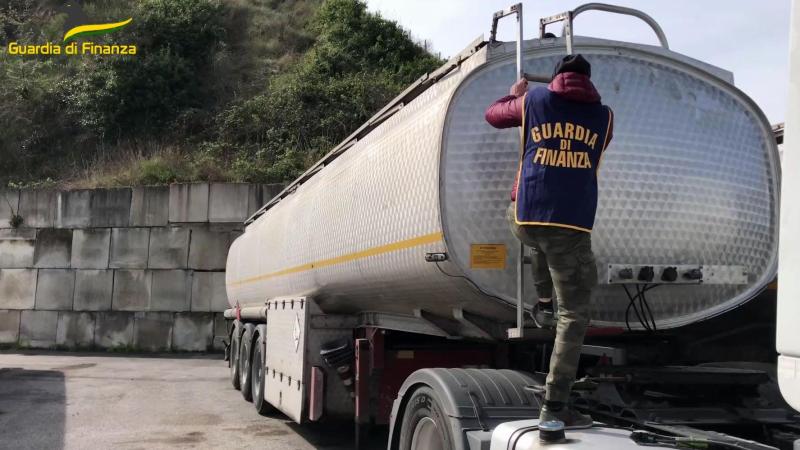
Operazione Red Gold contro frode nei carburanti in Abruzzo
previous arrow
next arrow
La logistica è tra le attività più colpite dai ciberattacchi nel 2025

SERVIZI

La logistica è tra le attività più colpite dai ciberattacchi nel 2025
Il rischio Dogana non è più solo amministrativo

SERVIZI

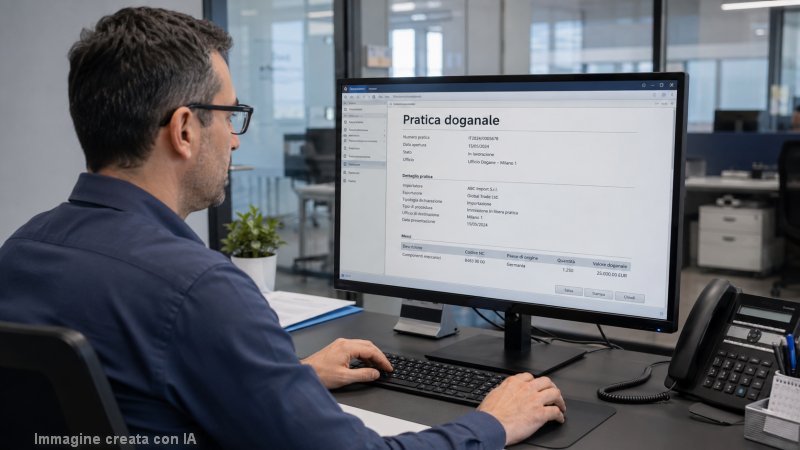
Il rischio Dogana non è più solo amministrativo
Sicurezza certificata da Tapa nella borsa carichi Trans.eu

SERVIZI

Sicurezza certificata da Tapa nella borsa carichi Trans.eu
Due attentati a Sicily by Car con fuoco e kalashnikov

SERVIZI

Due attentati a Sicily by Car con fuoco e kalashnikov
L’innovazione di Geotab punta su sicurezza e Pmi

SERVIZI

L’innovazione di Geotab punta su sicurezza e Pmi
Gaston Schul cresce nelle spedizioni genovesi con Parodi Forwarding

SERVIZI

Gaston Schul cresce nelle spedizioni genovesi con Parodi Forwarding
L’Italia è molto esposta nel cibercrimine nel trasporto e logistica

SERVIZI

L’Italia è molto esposta nel cibercrimine nel trasporto e logistica
Carta DKV per ricaricare il camion elettrico

SERVIZI

Carta DKV per ricaricare il camion elettrico
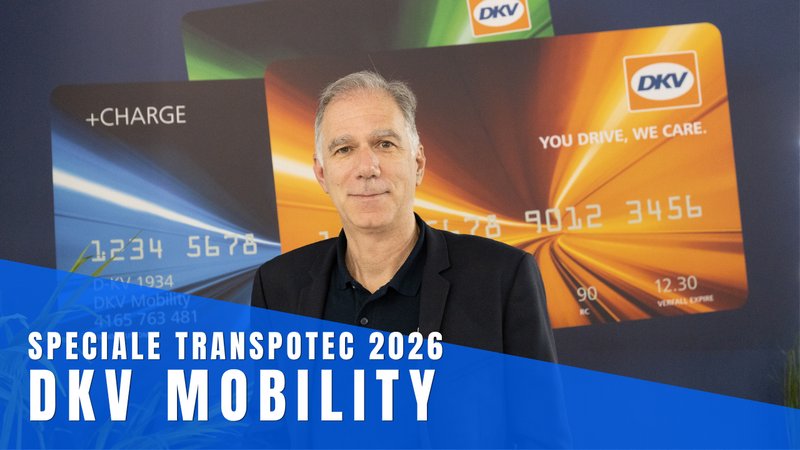
Video | Dkv al Transpotec oltre la carta carburante

SERVIZI

Video | Dkv al Transpotec oltre la carta carburante
Zucchetti presenta una logistica digitale integrata software e robot

SERVIZI

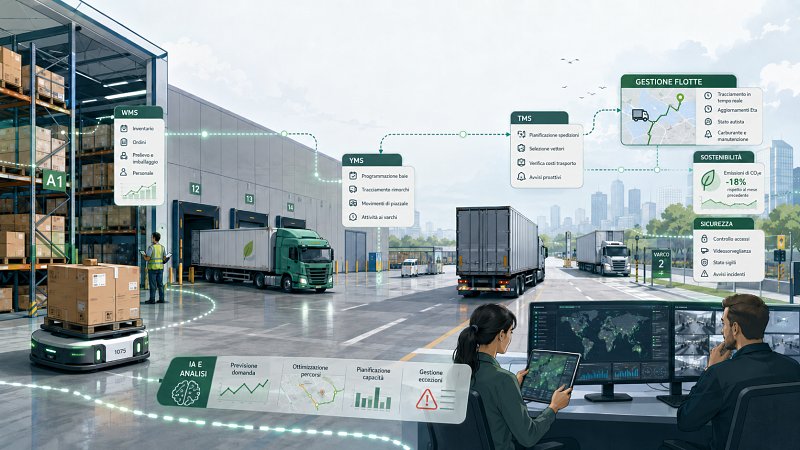
Zucchetti presenta una logistica digitale integrata software e robot
Golia360 punta sulla digitalizzazione per gli autisti

SERVIZI

Golia360 punta sulla digitalizzazione per gli autisti
Come la logistica può guadagnare dalle multe Antitrust

SERVIZI

Come la logistica può guadagnare dalle multe Antitrust
Tra Genova e Barcellona l’asse della formazione per la logistica

SERVIZI

Tra Genova e Barcellona l’asse della formazione per la logistica
Transporeon introduce la ricerca con l’intelligenza artificiale

SERVIZI

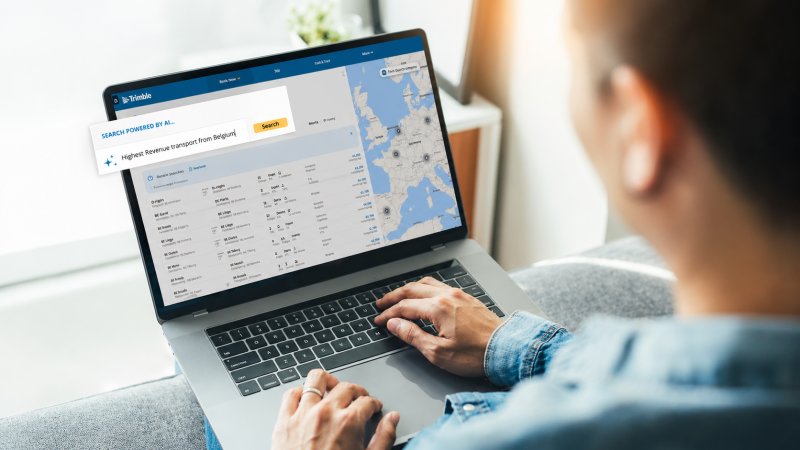
Transporeon introduce la ricerca con l’intelligenza artificiale
Nasce Synlog Alliance consorzio dati per la logistica

SERVIZI

Nasce Synlog Alliance consorzio dati per la logistica
previous arrow
next arrow