



Array ( [0] => 8 [1] => 39 )

Podcast K44

Cronaca

  • Armi in un container nell’autotrasporto catanese

    Armi in un container nell’autotrasporto catanese

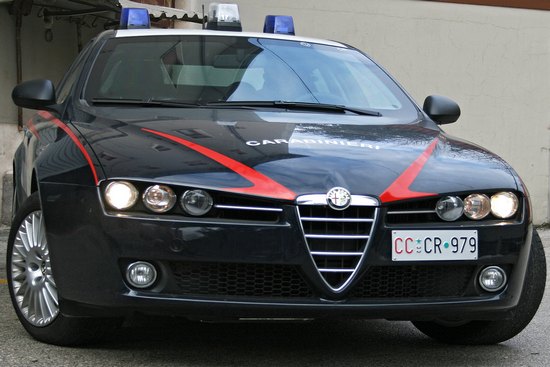
    Due pistole con i colpi inseriti, un revolver con matricola abrasa e cartucce sono stati sequestrati dai Carabinieri di Nesima nel piazzale di una ditta di autotrasporti. Il 27enne che aveva le chiavi del lucchetto è stato arrestato per detenzione illegale di armi e di arma clandestina.

Transpotalk

Normativa

Mare

  • Sciopero Usb nei porti per chiedere il lavoro usurante

    Sciopero Usb nei porti per chiedere il lavoro usurante

    Il 28 settembre 2026 il sindacato di base Usb ha attuato uno sciopero nazionale dei portuali per chiedere il lavoro usurante e il ritiro dell'emendamento sulle agenzie interinali. La sigla dichiara che il terminal Psa di Genova si è fermato del tutto e che negli altri scali le adesioni sono …

Autotrasporto

  • L’autotrasporto teme nuova beffa sul calmiere gasolio

    L’autotrasporto teme nuova beffa sul calmiere gasolio

    Il presidente di Fai-Conftrasporto, Paolo Uggè, segnala che molte imprese di autotrasporto si riforniscono in extrarete, dove le compagnie petrolifere non applicano il tetto al prezzo del gasolio, mentre i committenti chiedono già ribassi di tariffa proprio in virtù dello sconto alla pompa. Chiede al Governo di accelerare l'erogazione delle …

    A train that updates like a smartphone

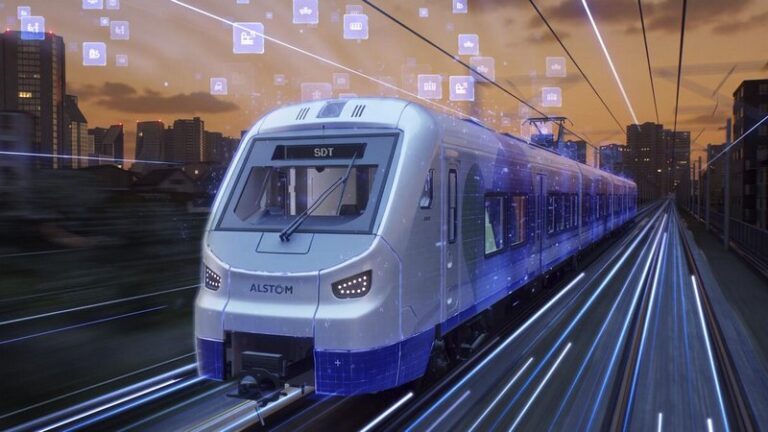
    Immagine: Alstom

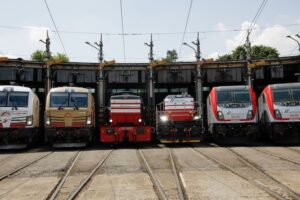
    A train entering service today essentially retains the same architecture until it is withdrawn thirty years later: the same software, the same functions and the same limitations fixed on the day it is delivered. This is the paradox Alstom says it wants to overcome with the Software Defined Train (SDT), an architecture presented at InnoTrans 2026 that aims to transform the train from an immutable physical asset into a digital platform capable of evolving throughout its service life. The inspiration – explicitly acknowledged by the company – comes from smartphones and software-defined vehicles: hardware and software, which have different life cycles, are separated instead of designing each subsystem, such as traction, air conditioning, passenger information and maintenance, as a closed unit with its own dedicated electronics. The SDT architecture has three overlapping layers: physical, abstraction and application, with sensors, communication systems and computing power shared across functions rather than duplicated within each subsystem. In practical terms, this means less wiring, fewer relays and less complexity to maintain over time.

    The issue is becoming increasingly important because of the pressure facing operators: they need to increase fleet capacity, improve reliability and contain costs throughout the rolling stock life cycle, while passenger expectations and available technologies change far more quickly than the useful life of a train. An architecture designed once and never updated therefore risks becoming technologically obsolete well before it becomes mechanically obsolete.

    Alstom is building the SDT system on three foundations that define what the concept actually involves, beyond the simple fact that software has already been used on trains for decades. The first is data-driven design, which breaks down silos between onboard systems, fleets and lineside infrastructure, supporting predictive maintenance and Digital Twin applications, virtual replicas of vehicles used for simulation and diagnostics. The second is digital continuity, connecting onboard systems, infrastructure and the cloud, processing data wherever this can be done most efficiently and enabling over-the-air service updates. The third, evolution, introduces new functions through software updates without requiring fresh homologation, thanks to a service-oriented architecture and built-in segregation mechanisms. It remains to be seen how this promise will fit with the certification timescales typical of the rail industry, which so far have been anything but rapid.

    Alstom places applications that already exist within the SDT ecosystem, including remote driving, the HealthHub condition-monitoring platform, Agate Media multimedia content and C-DAS driver advisory systems. Nor is the concept purely theoretical: in January 2026, Deutsche Bahn and Alstom tested the remote driving of suburban trains in a depot environment, providing a practical test bed for capabilities that the SDT architecture is intended to extend more broadly. However, the questions that accompany announcements of this kind remain open, particularly as the concept is being presented by the manufacturer itself without figures on costs, commercial introduction timescales or the specific train models involved. How much of this vision is already ready to be engineered at scale, and how much remains an architectural concept rather than something already deployed? For now, the January trial with Deutsche Bahn remains the most concrete evidence available.

    Antonio Illariuzzi

    © TrasportoEuropa - Riproduzione riservata - Foto di repertorio
    Segnalazioni, informazioni, comunicati, nonché rettifiche o precisazioni sugli articoli pubblicati vanno inviate a: redazione@trasportoeuropa.it


      Puoi commentare questo articolo nella pagina Facebook di TrasportoEuropa

      bottone newsletter piccolo Vuoi rimanere aggiornato sulle ultime novità sul trasporto e la logistica e non perderti neanche una notizia di TrasportoEuropa? Iscriviti alla nostra Newsletter con l'elenco ed i link di tutti gli articoli pubblicati nei giorni precedenti l'invio. Gratuita e NO SPAM!


    CONTENUTI SPONSORIZZATI


Videocast K44

Aereo

  • Lufthansa Cargo cresce in aeroporto con Lug Aircargo Handling

    Lufthansa Cargo cresce in aeroporto con Lug Aircargo Handling

    Lufthansa Cargo ha annunciato a settembre 2026 un accordo per rilevare l’intero capitale di di Lug Aircargo Handling, società di movimentazione aeroportuale tedesca del gruppo Dettmer, ampliando la capacità nelle merci a supporto del piano di crescita del programma Lccevo.

Ferrovia

  • FS Logistix valuta acquisizione di due terminal

    FS Logistix valuta acquisizione di due terminal

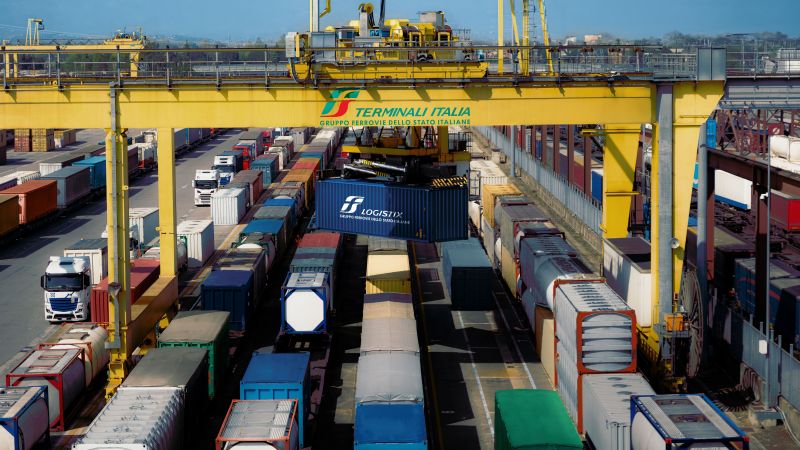
    Dopo l'ingresso nel terminal di Anversa, FS Logistix punta a due ulteriori Paesi europei, a est e a ovest del Belgio, con un piano di investimenti da due miliardi di euro in terminal e digitalizzazione. I dettagli saranno resi noti con il piano industriale 2027-2030.

Persone

  • L’autotrasporto veronese perde Francesco Corsi

    L’autotrasporto veronese perde Francesco Corsi

    Il 26 settembre 2026 è morto nella sua casa di Colognola ai Colli l’autotrasportare veneto Francesco Corsi. Cominciò nel 1960 con un Leoncino e l’omonima azienda Corsi, specializzata nel trasporto logistica a temperatura controllata e insediata nell'interporto Quadrante Europa di Verona.
Dai Paesi Bassi semirimorchi leggeri e digitali

TECNICA

Dai Paesi Bassi semirimorchi leggeri e digitali
previous arrow
next arrow
Bracchi cresce nel Benelux con Vim e Greenway Logistics

LOGISTICA

Bracchi cresce nel Benelux con Vim e Greenway Logistics
previous arrow
next arrow
Eni fissa un tetto al prezzo del gasolio per trenta giorni

ENERGIE

Eni fissa un tetto al prezzo del gasolio per trenta giorni
previous arrow
next arrow
Transporeon potenzia l’offerta digitale con gli agenti AI

SERVIZI

Transporeon potenzia l’offerta digitale con gli agenti AI
previous arrow
next arrow