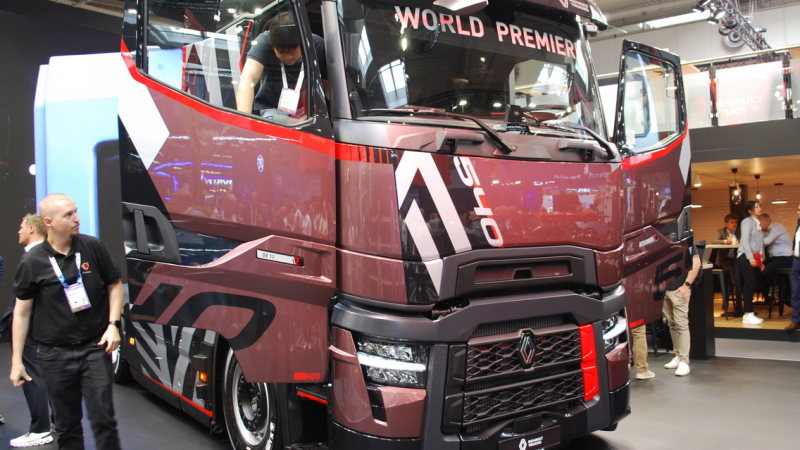









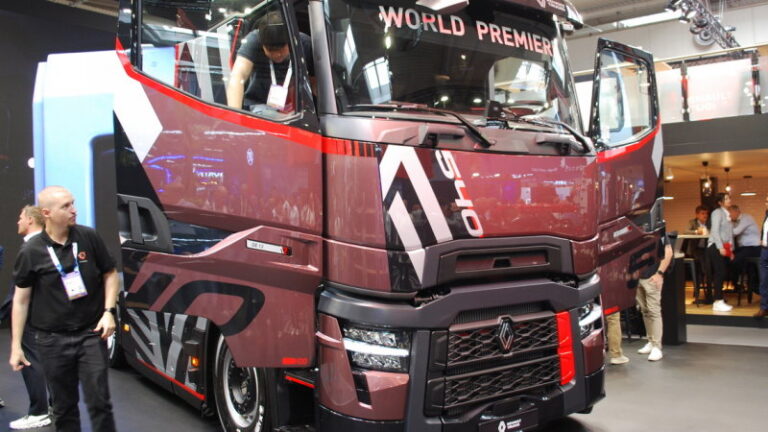
At IAA Transportation in Hannover, Renault Trucks is putting the evolution of its E-Tech T tractor units at the heart of its electric offering, aiming to overcome one of the main perceived limitations of heavy-duty transport electrification: range. The new line-up can travel up to 660 kilometres on a single charge, extending the potential use of electric vehicles to regional and long-haul operations. The development is based on real-world operating data. Renault Trucks analysed the operations carried out over the past two years by 70,000 connected tractor units across Europe, finding that 80% of their daily operations could be handled by the new electric range. That figure rises to 90% with a 45-minute fast-charging session during the driver's mandatory break.
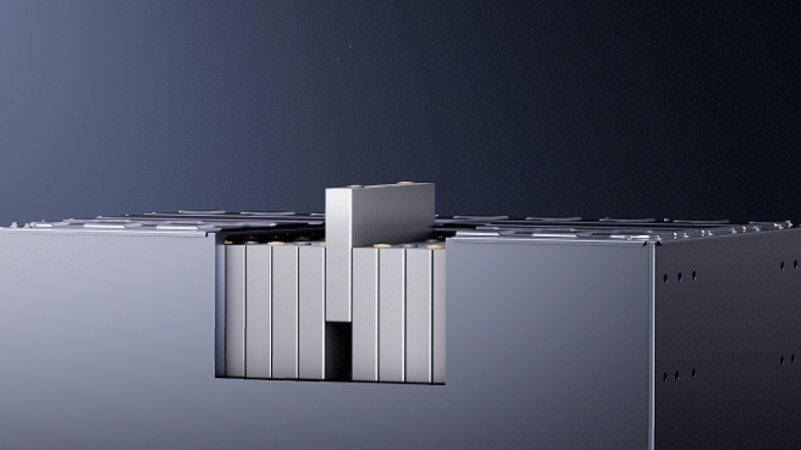
The result has been achieved through changes to both the powertrain and energy storage system. The new E-Tech T models use higher-energy-density NCA lithium-ion batteries, based on nickel, cobalt and aluminium, while Renault Trucks has widened the battery's operating window, allowing up to 95% of its energy capacity to be used. This increases the energy actually available for traction without simply making the battery larger. The strategy draws on experience gained in real-world operations: more than 3,500 Renault Trucks electric trucks have already covered a combined total of over 130 million kilometres in actual operating conditions. The manufacturer has used this wealth of data to refine vehicle range, energy management and configurations.
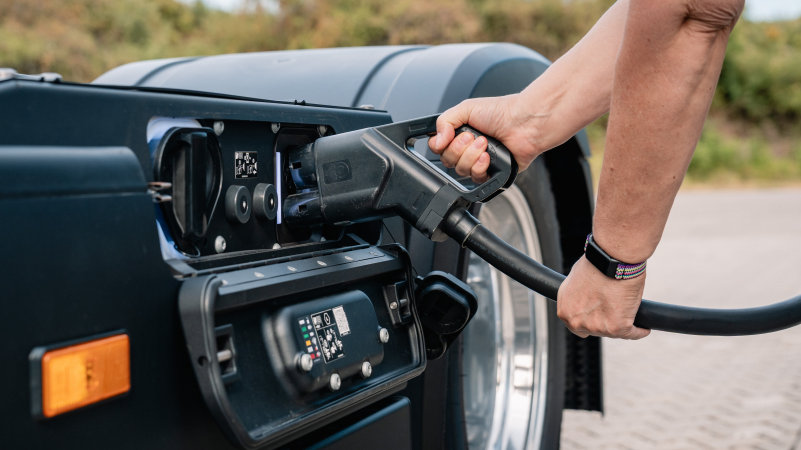
The E-Tech T range now comprises three versions. At the top of the line-up is the E-Tech T 780, designed for long-haul operations, with a range of up to 660 kilometres and a payload of up to 27 tonnes in the 6x2 configuration. According to Renault Trucks, the latter retains manoeuvrability comparable to that of a 4x2 tractor unit. The E-Tech T 585 offers a range of 500 kilometres and a payload of up to 28 tonnes, while the E-Tech T 540, aimed at regional distribution, provides up to 450 kilometres of range and a 25-tonne payload. An important feature for daily operations is the ability to recover up to 250 kilometres of range in 45 minutes using 350 kW CCS charging infrastructure. Battery life is also part of the French manufacturer's proposition: the batteries are covered as standard for up to six years or 720,000 kilometres, with the option to extend coverage to ten years through the Serenity Pack programme.
For Renault Trucks, the focus is therefore shifting from vehicle range to building the entire operating ecosystem. As the operating radius of electric tractor units increases, the availability of charging infrastructure, charging-station power, mission planning and the adaptation of working shifts become increasingly important. This is where the next phase of the electric transition in heavy-duty road transport will play out.
Massimiliano Barberis