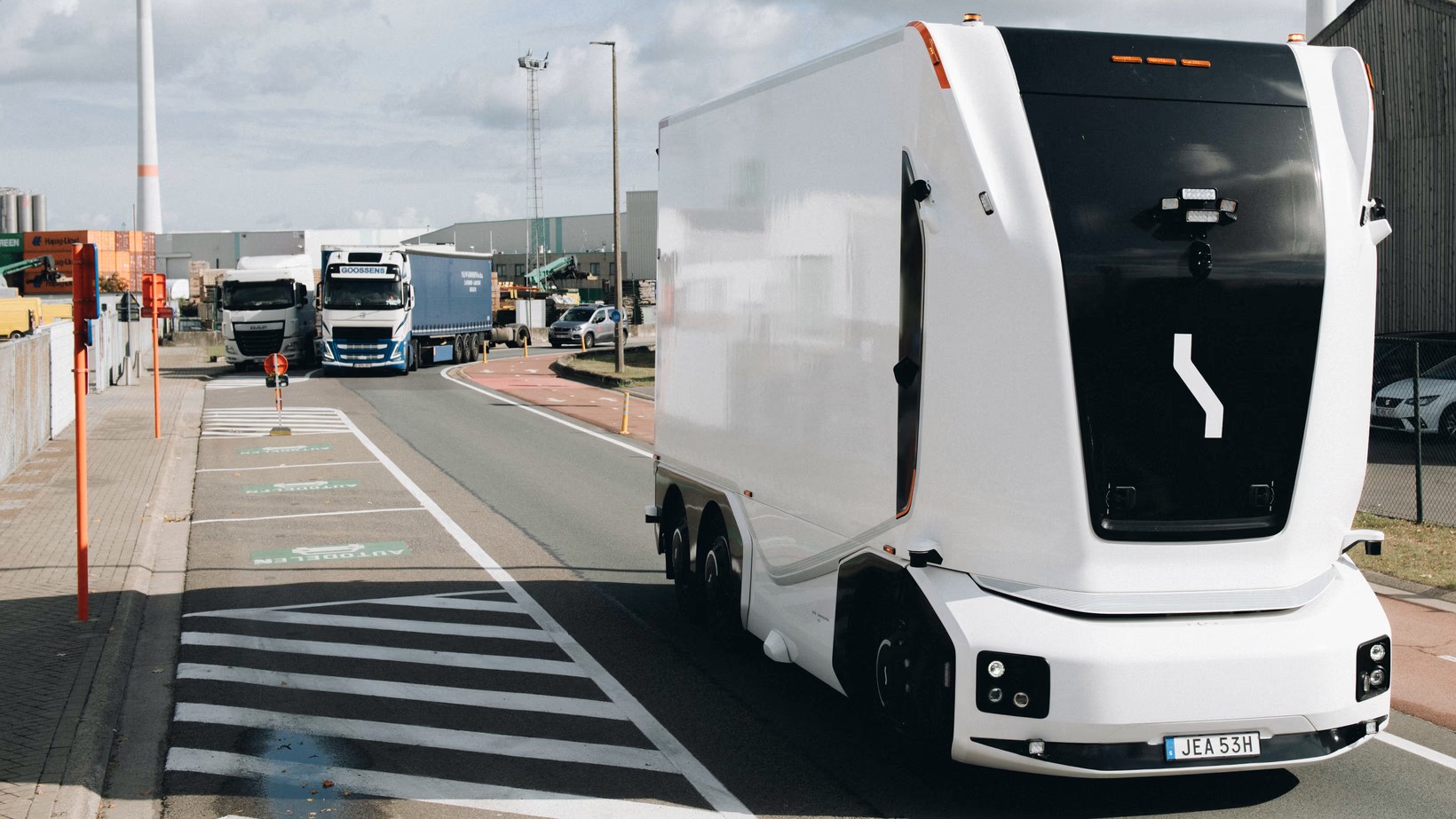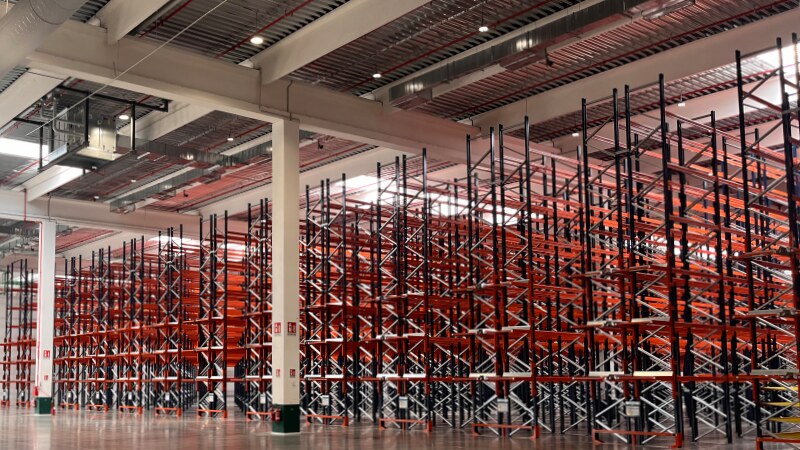






In 2025, about 30% of modern logistics space in Europe included some form of automation, compared with 20%-25% five years earlier. This is the most significant finding from research by Prologis, which says occupiers are investing in technologies that can improve operational performance in markets affected by labour shortages and limited availability of land for development.
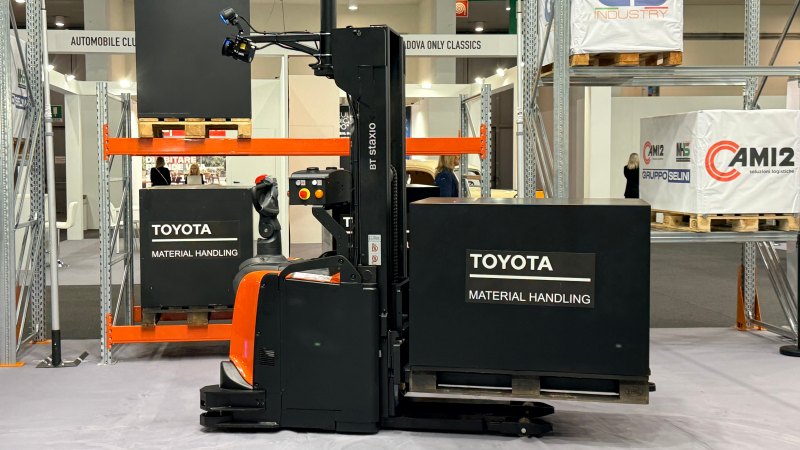
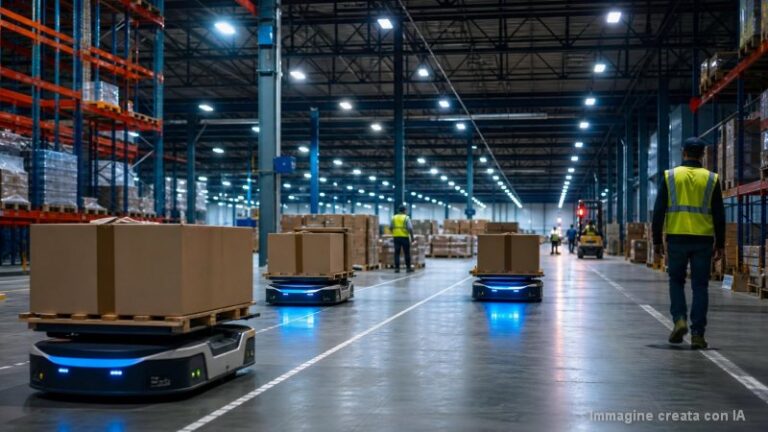
Growth is being driven mainly by flexible solutions: autonomous mobile robots, automated guided vehicles and other modular systems that are easier to integrate into existing operations and better suited to leased properties than fixed, capital-intensive installations. Fully automated storage and retrieval systems remain less common, with an estimated presence in 3%-5% of warehouses. Despite their ability to generate significant efficiency gains, these systems are still held back by high upfront costs, reduced flexibility and specific technical building requirements, all of which limit wider adoption.
Analysts point to the increasing value of properties that can support automation. Facilities used by occupiers adopting automated solutions show a double-digit higher probability of lease renewal, average lease terms around one year longer and rents 10% higher than non-automated properties, on a like-for-like basis by market and size. The evidence also suggests that automation is strengthening the value of modern logistics facilities while generating only limited obsolescence risk when assessed against the level of automation adoption itself.