


Array ( [0] => 8 [1] => 39 )

Podcast K44

Cronaca

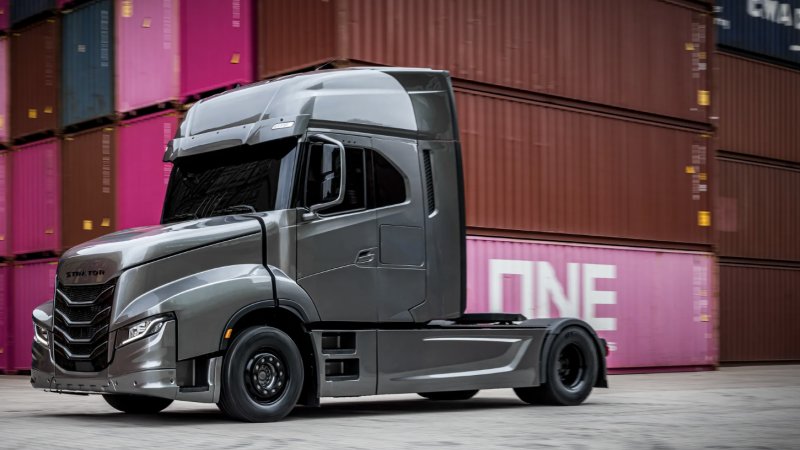
  • A Parma 162 infrazioni nell’autotrasporto primi sette mesi 2026

    A Parma 162 infrazioni nell’autotrasporto primi sette mesi 2026

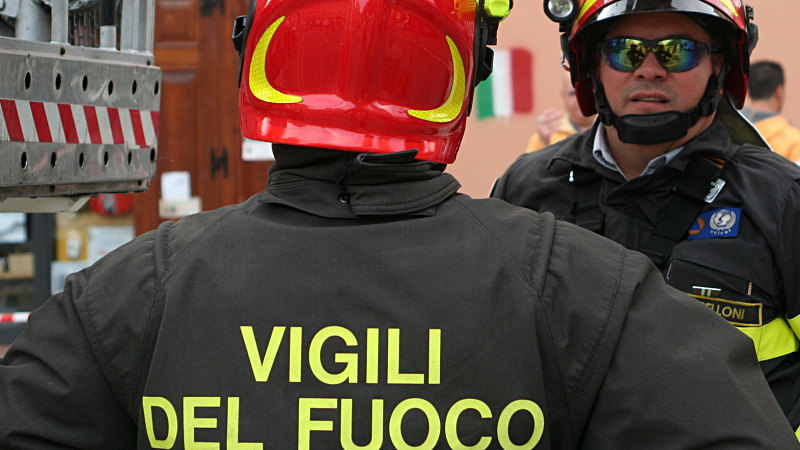
    Nei primi sette mesi del 2026, la Polizia Locale di Parma ha controllato 65 veicoli industriali lungo le principali arterie, contestando 162 infrazioni tra cronotachigrafo, velocità e riposi. Tra i casi più gravi, la manomissione dei sigilli di un sistema Kitas.

Transpotalk

Normativa

Mare

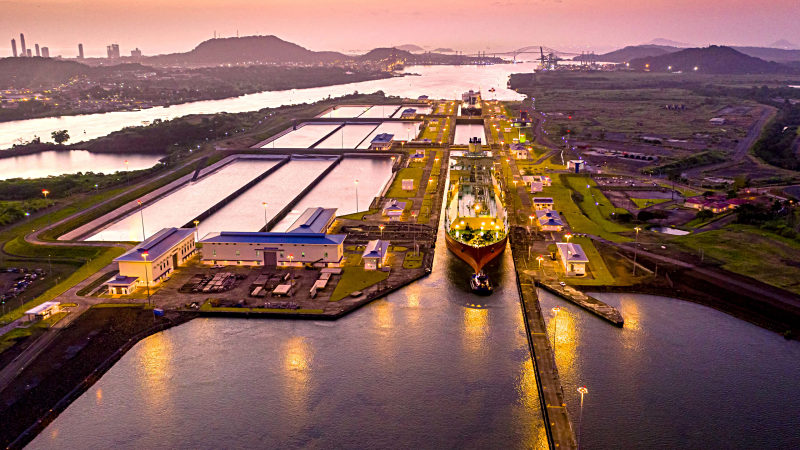
  • La navigazione a Hormuz resta ai minimi termini

    La navigazione a Hormuz resta ai minimi termini

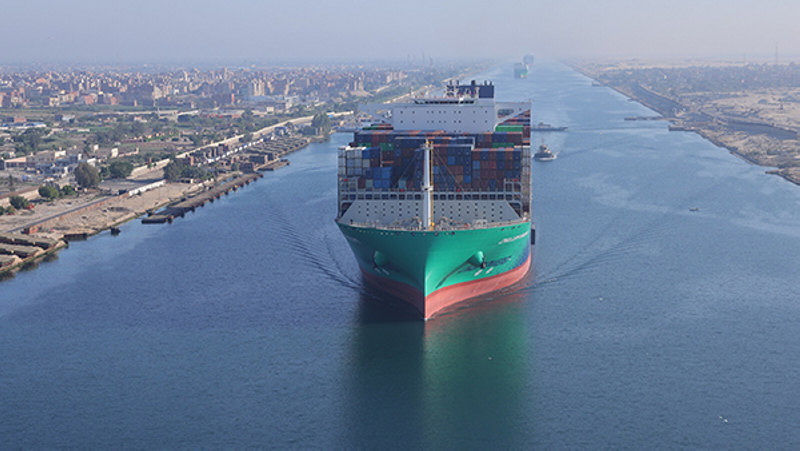
    Il transito delle navi nello stretto di Hormuz mostra ancora numeri bassi. L’Iran ha esteso il numero delle navi bandite a 56 le navi bandite e ha colpito due petroliere saudite, uccidendo due marittimi filippini. Washington rivendica volumi il passaggio record di greggio, ma il tracciamento indipendente mostra maggiore cautela.

Autotrasporto

  • L’Autorità portuale scioglie le riserve per nuovo autoparco di Genova

    L’Autorità portuale scioglie le riserve per nuovo autoparco di Genova

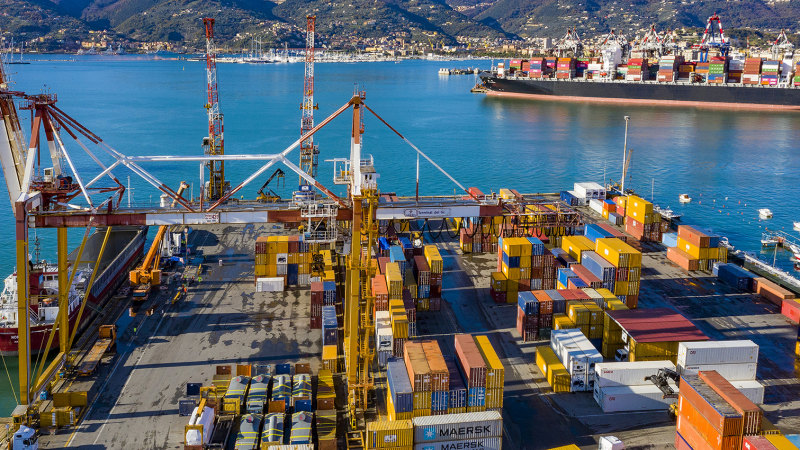
    L'Autorità di Sistema Portuale del Mare Ligure Occidentale ha comunicato lo scioglimento di ogni riserva sul progetto dell’autoparco di Genova sull’area Erzelli2. Ora Partono i tavoli di lavoro per l'affinamento tecnico e per l'inserimento dell'opera nel nuovo Piano Regolatore portuale.

    Ukrainian railways connect to European gauge

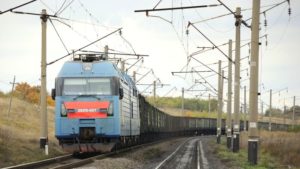
    In terms of length, it cannot be considered a major infrastructure project, but from a geopolitical perspective the figures take on a completely different meaning. With just 22 kilometres of track, Ukraine has anchored itself to Europe with a line built to the standard 1,435-millimetre gauge, instead of the national 1,520-millimetre gauge inherited from the Russian Empire. Ukrainian Railways, UZ, began building this line from scratch in 2024 and has now completed the project in less than a year.

    The new section links Chop with Uzhhorod in the country’s western region, creating a direct connection with Hungary and Slovakia. Uzhhorod, the historical capital of Transcarpathia, has thus become the first major regional hub to gain a direct rail link with the European Union. Ukrainian Railways views this project as only the first step in developing a broader standard-gauge network.

    Despite the ongoing conflict with Russia, UZ plans to accelerate the process. By 2026 the line will be electrified and work will begin on a new corridor towards Lviv, near the Polish border, scheduled for completion within three years. The Chop–Uzhhorod line, which required an investment of under 30 million euros, was co-financed by the European Union through the Connecting Europe Facility programme and by the European Investment Bank.

    To fully grasp the significance of Ukraine’s decision and the commitment it entails, a closer look at the technical aspects is essential. Beyond the areas historically tied to the Russian Empire, including Ukraine, the Iberian Peninsula – Spain and Portugal – also uses a railway gauge different from the European standard of 1,435 millimetres.

    Spain, after adopting the European standard in 1992 for the construction of its first high-speed line between Madrid and Seville, launched a conversion plan that will gradually affect all the main routes included in the TEN-T trans-European corridors. The aim is to foster freight transport with the rest of Europe. This transformation is being carried out through the adoption of dual gauge. It is not seen as a permanent arrangement but rather a long, perhaps overly protracted, transition, although it has never been formally announced as such.

    This solution is possible because the traditional Iberian gauge is broad but different from the Russian one. In Spain and Portugal it measures 1,668 millimetres, a significant gap compared to the 1,435-millimetre standard. This allows enough space for a third rail to be installed, something technically viable along open track without excessive costs, although switches are more complex to manage.

    The Russian gauge, on the other hand, is 1,520 millimetres, too close to the European standard to allow a third rail. The only option is to lay four alternating rails, with 1,435 and 1,520 millimetres on the left and the same on the right. While technically possible, this is a costly and cumbersome solution, with limited practical applicability. This explains the Ukrainian choice: the country cannot adapt its rail links to Europe by simply adding a third rail but must build entirely new stretches of track in standard European gauge, in varying lengths and configurations.

    Piermario Curti Sacchi

    © TrasportoEuropa - Riproduzione riservata - Foto di repertorio
    Segnalazioni, informazioni, comunicati, nonché rettifiche o precisazioni sugli articoli pubblicati vanno inviate a: redazione@trasportoeuropa.it


      Puoi commentare questo articolo nella pagina Facebook di TrasportoEuropa

      bottone newsletter piccolo Vuoi rimanere aggiornato sulle ultime novità sul trasporto e la logistica e non perderti neanche una notizia di TrasportoEuropa? Iscriviti alla nostra Newsletter con l'elenco ed i link di tutti gli articoli pubblicati nei giorni precedenti l'invio. Gratuita e NO SPAM!


    CONTENUTI SPONSORIZZATI


Videocast K44

Ferrovia

  • Nuovo rinvio per l’apertura del Terzo Valico

    Nuovo rinvio per l’apertura del Terzo Valico

    L’apertura del terzo Valico ferroviario tra Genova e Milano subisce un ennesimo rinvio e slitta al 2029. Lo ha dichiarato il commissario straordinario dell’opera. Al rallentatore anche gli altri potenziamento della ferrovia.

Persone

  • Morto il re della logistica Klaus-Michael Kühne

    Morto il re della logistica Klaus-Michael Kühne

    Il 24 agosto 2026 è morto a 89 anni Klaus-Michael Kühne, uno degli uomini più potenti della logistica europea. Senza figli, aveva destinato l'intero patrimonio imprenditoriale alla Kühne Foundation, che attraverso Kühne Holding controlla il 60,1% di Kühne+Nagel, il 30% di Hapag-Lloyd e oltre il 20% di Lufthansa.
Krone presenterà allo IAA 2026 l’ecosistema digitale del semirimorchio

TECNICA

Krone presenterà allo IAA 2026 l’ecosistema digitale del semirimorchio
previous arrow
next arrow
DHL completa la riorganizzazione societaria

LOGISTICA

DHL completa la riorganizzazione societaria
previous arrow
next arrow
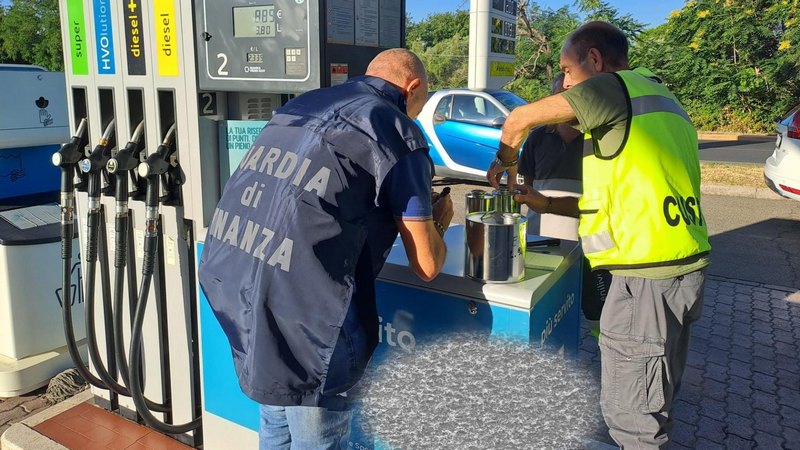
Operazioni estive della Finanza contro frodi al gasolio

ENERGIE

Operazioni estive della Finanza contro frodi al gasolio
previous arrow
next arrow
La Norvegia intensifica la digitalizzazione della Dogana

SERVIZI

La Norvegia intensifica la digitalizzazione della Dogana
previous arrow
next arrow