




The new North Sea–Rhine–Mediterranean Corridor stems from EU Regulation 2024/1679, which merged the former Rhine–Alps and North Sea–Mediterranean Corridors to form one of the main multimodal axes of the Trans-European Transport Network. Its route crosses eight countries, integrates railways, roads and inland waterways over more than 22,000 kilometres, and serves as a core infrastructure for European freight transport.
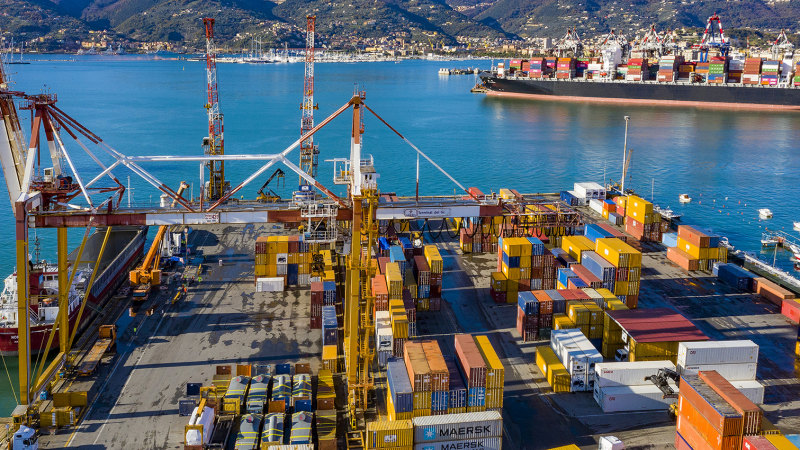
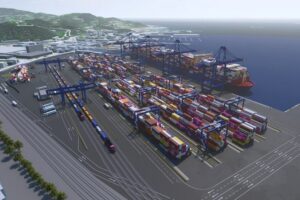
The Corridor develops along three routes. The eastern axis connects Amsterdam with the German Rhine regions, enters Switzerland via Bern and reaches northern Italy as far as the port of Genoa. The western axis starts in Le Havre, runs through Paris, Dijon and Lyon, and reaches the Mediterranean ports of Marseille and Fos-sur-Mer. The central axis links Lille, Brussels and Luxembourg with the hubs of Strasbourg and Dijon, connecting to the other two routes. Within the port network, the connection between the Irish ports of Dublin, Cork and Foynes and North Sea ports such as Amsterdam, Rotterdam, Antwerp, Zeebrugge and Le Havre extends the northern reach of the network, while Genoa and Marseille/Fos-sur-Mer provide the southern gateways.
Management of the Corridor has been assigned to the European Coordinator Paweł Wojciechowski, appointed in September 2024. Wojciechowski previously led the Rhine–Alps Corridor for nine years and served as Poland’s Minister of Finance. On the rail front, in July 2025 the Executive Board and Management Board of the North Sea–Rhine–Mediterranean rail freight corridor published their first joint implementation plan, beginning the process that will lead to unified capacity publication in January 2026.
The route includes some of Europe’s most significant Alpine rail infrastructures. Swiss documentation indicates that the Gotthard and Ceneri base tunnels allow heavy freight trains to run on gentler gradients, increasing daily capacity from 140 to 260 trains and annual volumes from 20 to 50 million tonnes. In Italy the main project is the Terzo Valico dei Giovi, which will connect the Ligurian port system with the rail network of northern Italy and the rest of Europe. As of July 2025 overall progress stands at 63.6% with expenditure of €5.4 billion; tunnel excavation is 91.3% complete and contractual completion is scheduled for 2027.
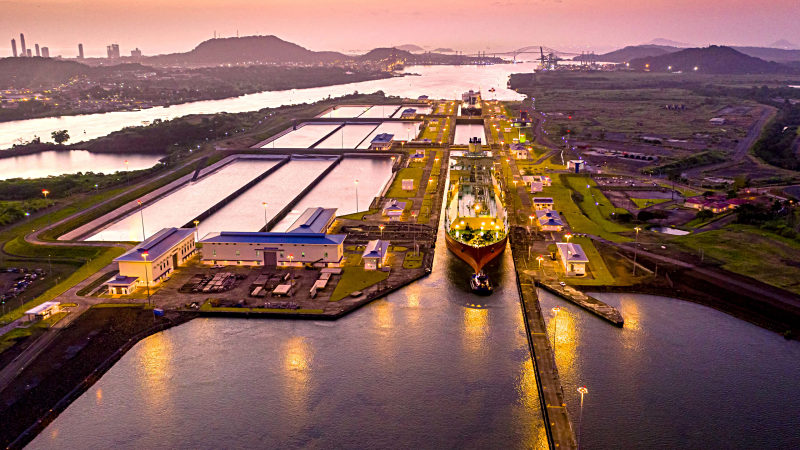
In France construction of the Seine–Nord Europe Canal is under way, described in official documents as the “missing link” of the European inland waterway network. The project foresees a canal 107 kilometres long and 54 metres wide for barges of up to 4,400 tonnes, costing €5.1 billion out of a total investment of €10 billion. Opening is planned for 2030. Also in the inland waterway sector, the Seine–Scheldt project aims to create 1,100 kilometres of large-gauge inland waterways between the Seine and the Scheldt–Meuse basins, improving access to the ports of Le Havre, Rouen, Dunkirk, Antwerp, Ghent and Zeebrugge. Completion of the entire network is expected by December 2030.
Despite the level of maturity reached by the rail network, the Regulation lists several remaining gaps: enhancement of the Brussels–Luxembourg–Strasbourg connection (EuroCap), reactivation of the Limerick–Foynes line in Ireland by 2030, the Antwerp bypass between Lier and the port, three sections of the Rhine–Rhône high-speed line in France and the new Paris–Le Havre line.
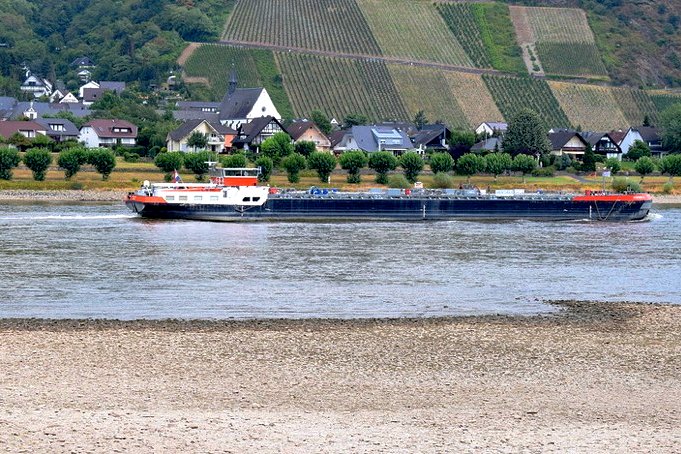
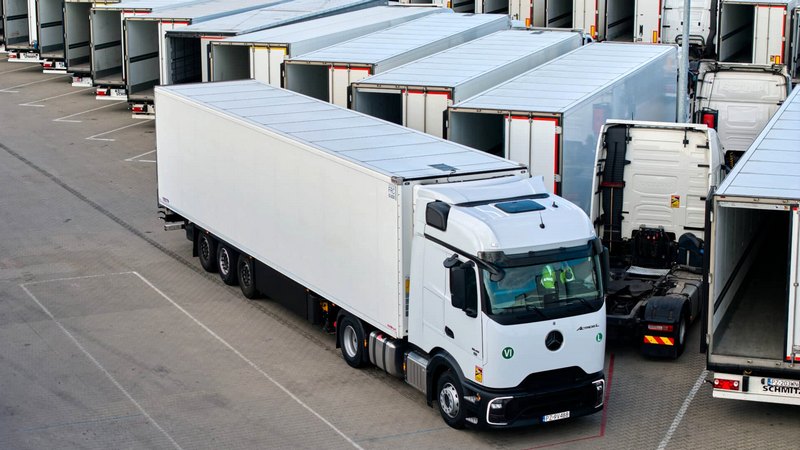
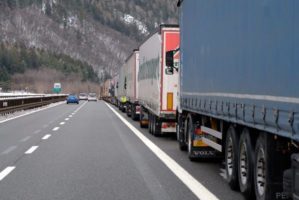
On inland waterways, draught limitations and CEMT IV upgrades are still required in Belgium, France and Germany, while new canals are planned, including the Saône–Rhine and Saône–Moselle links and a Bruges bypass between Ghent and Zeebrugge. The road network, although compliant with technical parameters, shows bottlenecks in urban nodes. Ongoing works include extending the A15 motorway towards the German border, the A16–A13 bypass in Rotterdam, completion of Antwerp’s R1 Oosterweel ring and the A31 bypass around Nancy.
Achievements already delivered include the Betuwe Line linking the port of Rotterdam with its hinterland, the Gotthard Base Tunnel connecting Italy with northern Europe, the new IJmuiden sea lock in Amsterdam and the Theemsweg rail section improving access to the port of Rotterdam. These developments have already reshaped handling capacity at the main port and rail hubs of northern Europe.
Pietro Rossoni