






On 15 December 2025 Infraestruturas de Portugal formally launched the modernisation works on the Vendas Novas railway line with the signing of the Auto de consignação. The project, located in Portugal and with a contractual value of €120 million, forms part of a wider €204 million investment and is considered central to strengthening freight transport along the Southern International Corridor, particularly rail connections between the port of Sines and European markets.
The intervention includes the complete renewal of the track along the entire Vendas Novas line, covering a total length of 69 kilometres between Setil, on the Northern Line, and Vendas Novas, on the Alentejo Line. The project includes the replacement of the railway superstructure with multi-purpose concrete sleepers and 60 E1 rails, better suited to the high axle loads of freight traffic, as well as the consolidation of the railway platform and improvements to drainage systems.
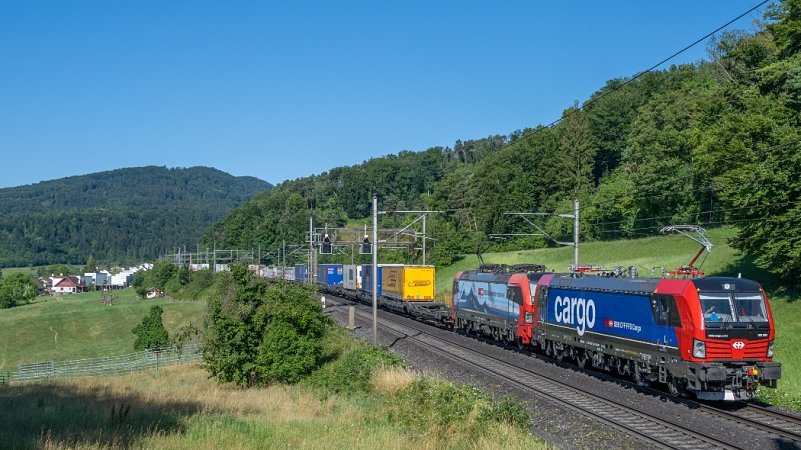
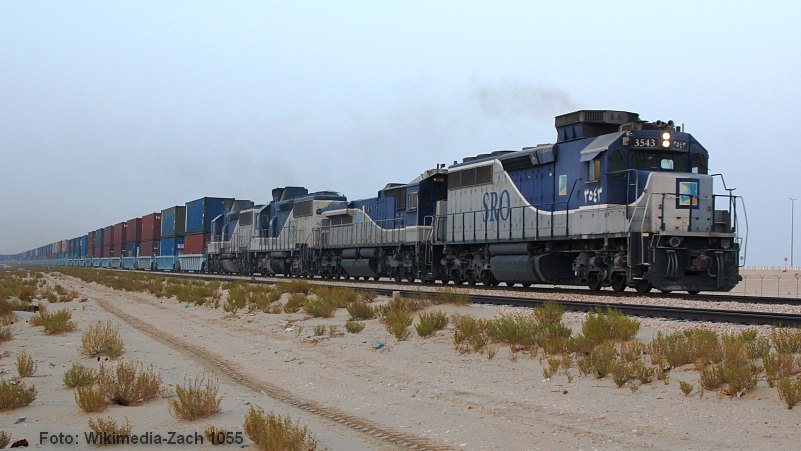
One of the main technical objectives is to adapt the line for the operation of freight trains up to 750 metres long, compared with the current limit of around 400 metres. This European standard allows higher payloads per train and reduces unit costs for rail freight transport. The works also include new technical stations and the extension of passing loops to enable the operational management of longer trains.
In terms of safety and technology, the project involves the installation of new signalling and communication systems, including GSM-R, the elimination of six level crossings and the construction of four road overpasses. A further nine level crossings will be automated, with the aim of reducing conflicts between rail traffic and road traffic and raising safety standards along the line.
From a territorial perspective, the line crosses the municipalities of Cartaxo, Salvaterra de Magos, Coruche, Montijo, Montemor-o-Novo and Vendas Novas, serving as a transversal link between the country’s main railway corridors. Its modernisation will create a freight rail bypass that avoids the Lisbon metropolitan area, which is currently constrained by infrastructure limits and high saturation of existing lines.
The contractual duration of the works is set at 48 months, with completion expected between the end of 2029 and the beginning of 2030. Initially included in the Ferrovia 2020 programme, the project is now financed under Portugal 2030 through European cohesion funds, with a clear focus on sustainability and modal shift from road to rail.
According to project documentation, the upgrade of the Vendas Novas line is considered essential to enhance the competitiveness of the port of Sines, Portugal’s main deep-water port, and to ensure more efficient rail links towards Spain and the rest of Europe. Increasing rail capacity along this axis is also aligned with European objectives to reduce CO2 emissions in the transport sector and to develop more efficient intermodal logistics.