




Array ( [0] => 8 [1] => 41 )

Podcast K44

Cronaca

  • 17 camionisti arrestati a Savona per furto di gasolio

    17 camionisti arrestati a Savona per furto di gasolio

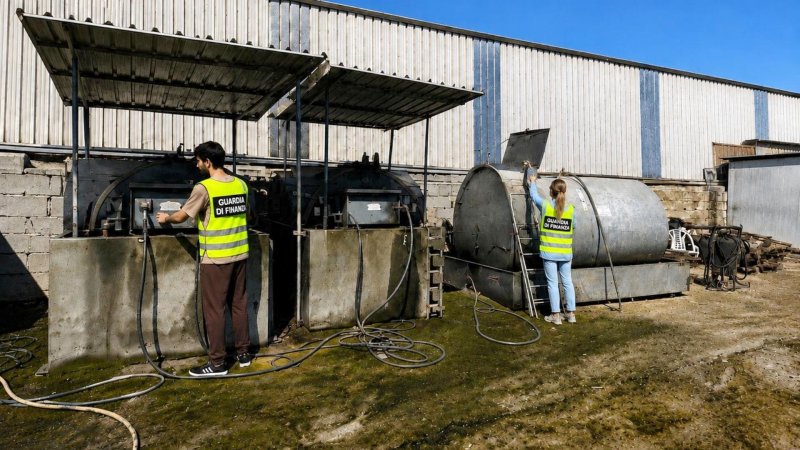
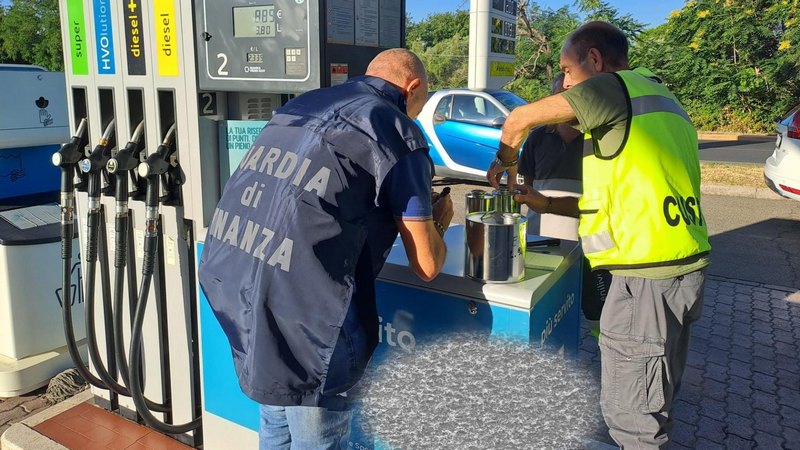
    Un’indagine della Guardia di Finanza nel deposito fiscale carburanti di Vado Ligure ha coinvolto diciassette autotrasportatori, col sequestro di oltre 3.700 litri di gasolio. Il prodotto veniva sottratto durante il carico e rivenduto fuori circuito a prezzi inferiori.

Normativa

Mare

  • Si è svolto lo sciopero nel porto di Savona del 2 aprile

    Si è svolto lo sciopero nel porto di Savona del 2 aprile

    Il 2 aprile 2026 si è svolto lo sciopero di 24 ore indetto da Filt Cgil e Uiltrasporti, che hanno avviato una vertenza imperniata sull’applicazione del part-time nel terminal container Vado Gateway. Non vi sono novità nella trattativa.

Autotrasporto

  • Come la Spagna protegge l’autotrasporto dal caro gasolio

    Come la Spagna protegge l’autotrasporto dal caro gasolio

    Come il Governo di Madrid protegge il trasporto: obbligatoria la revisione automatica dei prezzi in funzione del costo del carburante, alza il peso del gasolio nella formula dal 30 al 40 percento e introduce obblighi di trasparenza in fattura. Il tutto dentro un pacchetto da cinque miliardi di euro pensato …

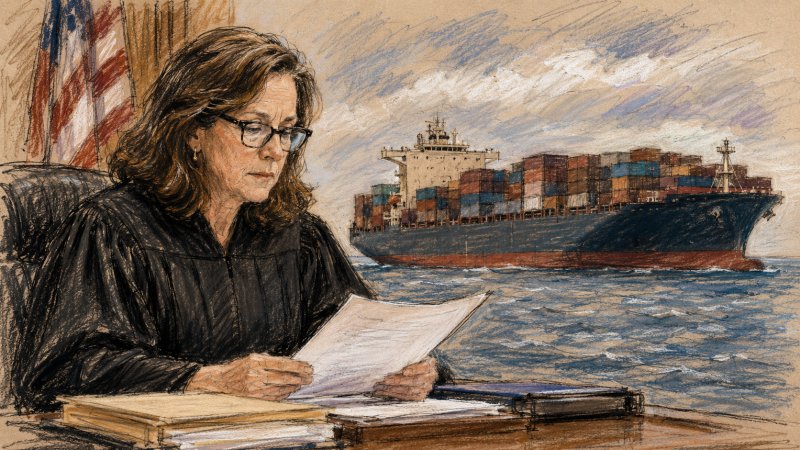
    Mandatory reporting of containers lost at sea

    Immagine: TrasportoEuropa - IA

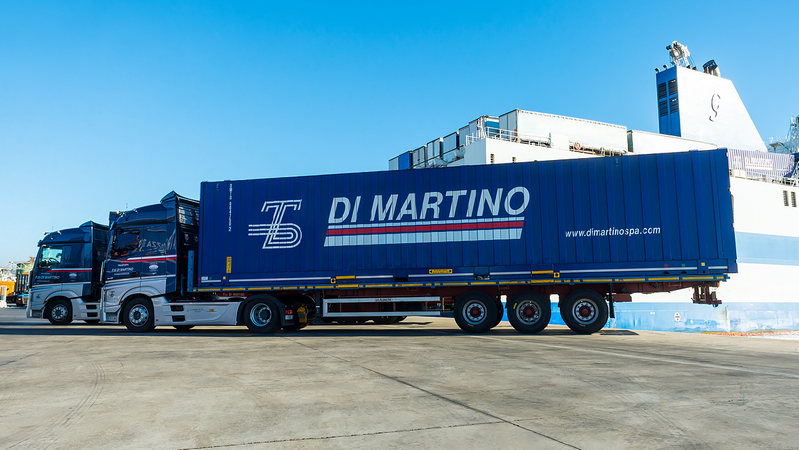
    On 1 January 2026 the international obligation to report containers lost at sea came into force, marking a significant regulatory development for the entire freight transport and maritime logistics chain. The measure, adopted by the International Maritime Organization through amendments to Chapter V of the SOLAS Convention, introduces binding and harmonised procedures that directly affect the operations of shipowners, logistics operators, terminals, insurers and public authorities. The regulation addresses the need for navigational safety, environmental protection and information transparency, strengthening global coordination in the management of container loss incidents.

    The core regulatory element is the introduction of a requirement for immediate notification whenever a container is lost at sea or sighted adrift. Primary responsibility lies with the master of the vessel involved, who must report the event without delay to nearby ships, the nearest coastal State and the flag State. If the vessel is unable to make the report, the obligation passes to the shipping company, as provided for under the ISM safety management system. The scope of application is global and covers all ships carrying one or more containers, regardless of flag or trading area.

    For logistics operators, the relevance of the rule extends well beyond the purely maritime dimension. Mandatory reporting introduces a new level of traceability for cargo-related incidents, with direct implications for supply chain management, contractual relationships and insurance cover. The notification must include precise information on the identity of the ship, the geographical position of the event, the date and time in UTC, the number of containers lost and their physical and cargo characteristics, including the presence of dangerous goods with the relevant UN numbers.

    Of particular operational interest is the provision for a phased reporting process. The regulation recognises that, in the immediate aftermath of an incident, a complete information picture may not always be available. An initial report with partial data is therefore permitted, followed by subsequent updates until the submission of a final report based on a thorough inspection of the vessel and a verified count of the containers actually lost. This progressive approach has concrete implications for the document management of logistics operators, who must be able to support shipping companies in collecting, verifying and transmitting information throughout the supply chain.

    From an information systems perspective, standardisation represents a key step. In November 2025 the IMO approved circular CCC.1/Circ.7, which provides a uniform template for reporting container loss events. Pending the full development of a dedicated module within the GISIS system, flag States are invited to use this template to ensure global consistency and data comparability. For logistics operators, this implies aligning their information flows and, in many cases, upgrading internal digital systems to interface efficiently with shipowners, insurers and authorities.

    The rationale behind the regulation becomes clear when examining data on container losses. According to World Shipping Council statistics, the number of containers lost at sea has fluctuated sharply over the past fifteen years, with significant peaks in 2013 and in the 2020–2021 period, coinciding with exceptional events and critical operating conditions. After a historic low of 221 containers in 2023, 2024 saw a rise to 576 units, still well below the ten-year average of 1,274 containers per year. Set against more than 250 million containers moved globally, losses account for around 0.0002% of the total, but each individual incident can have significant consequences in terms of safety, environmental impact and costs.

    For logistics operators, the case of the Cape of Good Hope is particularly significant. In 2024 around 200 containers were lost in that area, accounting for approximately 35% of the global annual total. This concentration has been linked to the sharp increase in traffic along the African route, which grew by 191% compared with 2023 due to the Red Sea crisis and diversions caused by Houthi attacks. Longer routes, exposure to harsher metocean conditions and increased sailing times have had direct effects on vessel stability and cargo integrity, with knock-on impacts on delivery reliability and overall logistics costs.

    From an environmental standpoint, container loss is no longer viewed as an event confined to navigation. Recent examples of coastal contamination, such as the December 2025 incident in the Solent in the United Kingdom, show how container contents can disperse rapidly, generating plastic waste and microplastics with lasting impacts on coastal ecosystems. For logistics, this translates into heightened regulatory scrutiny across the entire chain, from proper cargo packaging and flow traceability to the allocation of responsibility in cases of environmental damage.

    The new regulation also fits into a broader context of strengthened cargo safety rules. On 1 July 2025, new unified requirements from the International Association of Classification Societies on container securing devices and systems entered into force, applicable to newly built ships. These are complemented by industry initiatives such as the TopTier project, which systematically analysed the causes of losses, identifying critical factors including extreme weather, parametric rolling, improper stowage and misdeclared weight. For logistics operators, these elements reinforce the central importance of accurate cargo data and high-quality stowage operations, even when such activities take place ashore or under the responsibility of third parties.

    From an economic and insurance perspective, container loss generates costs that go far beyond the value of the goods themselves. Total losses are estimated at up to 370 billion dollars globally, taking into account recovery operations, environmental clean-up, litigation and operational disruption. For integrated logistics, the reporting obligation brings greater transparency that can facilitate claims management, but at the same time increases reputational exposure and the need to demonstrate procedural compliance throughout the entire chain of responsibility.

    Mara Gambetta

    © TrasportoEuropa - Riproduzione riservata - Foto di repertorio
    Segnalazioni, informazioni, comunicati, nonché rettifiche o precisazioni sugli articoli pubblicati vanno inviate a: redazione@trasportoeuropa.it


      Puoi commentare questo articolo nella pagina Facebook di TrasportoEuropa
      bottone newsletter piccolo Vuoi rimanere aggiornato sulle ultime novità sul trasporto e la logistica e non perderti neanche una notizia di TrasportoEuropa? Iscriviti alla nostra Newsletter con l'elenco ed i link di tutti gli articoli pubblicati nei giorni precedenti l'invio. Gratuita e NO SPAM!


    CONTENUTI SPONSORIZZATI


Videocast K44

Aereo

  • Allarme per le scorte europee di carburante aereo

    Allarme per le scorte europee di carburante aereo

    La chiusura di fatto dello Stretto di Hormuz a causa del conflitto tra Iran Stati Uniti e Israele interrompe i flussi dal Golfo del carburante per aerei. In Europa le scorte evitano un blocco immediato, ma da maggio aumenteranno i rischi di carenze localizzate e razionamenti.

Ferrovia

  • Partito primo treno InRail da Pordenone

    Partito primo treno InRail da Pordenone

    Il 2 aprile 2026 è partito il primo treno InRail dall’Interporto di Pordenone, diretto a Cuneo e sono state inaugurate opere per sei milioni di euro. Gestione ponte del terminal dopo l’uscita di Hupac e percorso verso una società mista pubblico-privata per consolidare il ruolo nello scenario del Nord-Est.

Persone

  • Torello perde il fondatore Nicola

    Torello perde il fondatore Nicola

    La mattina del 5 marzo 2026, la società di trasporto campana Torello ha annunciato la morte del fondatore Nicola Torello. Ha trasformato un’impresa individuale in una multinazionale europea.
Still automatizza carico e scarico dei camion

TECNICA

Still automatizza carico e scarico dei camion
Amazon vuole portare i robot dal magazzino alla porta di casa

TECNICA

Amazon vuole portare i robot dal magazzino alla porta di casa
Linde MH presenta i carrelli retrattili Ri al LogiMat

TECNICA

Linde MH presenta i carrelli retrattili Ri al LogiMat
Schmitz rinnova la vasca leggera

TECNICA

Schmitz rinnova la vasca leggera
Kögel presenta in Italia un semirimorchio per container leggero

TECNICA

Kögel presenta in Italia un semirimorchio per container leggero
previous arrow
next arrow
Il tribunale liquida filiale francese di Ziegler

LOGISTICA

Il tribunale liquida filiale francese di Ziegler
La Cina avvia produzione industriale di robot umanoidi

LOGISTICA

La Cina avvia produzione industriale di robot umanoidi
Come funziona la nuova consegna ultrarapida di Amazon

LOGISTICA

Come funziona la nuova consegna ultrarapida di Amazon
Toyota entra nell’alleanza dell’idrogeno per i camion

LOGISTICA

Toyota entra nell’alleanza dell’idrogeno per i camion
Il Governo rinvia a luglio 2026 la tassa sui pacchi esteri

LOGISTICA

Il Governo rinvia a luglio 2026 la tassa sui pacchi esteri
previous arrow
next arrow
Il taglio delle accise è prorogato fino al primo maggio

ENERGIE

Il taglio delle accise è prorogato fino al primo maggio
Petrolio sopra 110 dollari al barile dopo dichiarazioni di Trump

ENERGIE

Petrolio sopra 110 dollari al barile dopo dichiarazioni di Trump
Scoperti a Fiumicino i vampiri del carburante per aerei

ENERGIE

Scoperti a Fiumicino i vampiri del carburante per aerei
Le condizioni dell’Iran per il transito delle navi a Hormuz

ENERGIE

Le condizioni dell’Iran per il transito delle navi a Hormuz
Il petrolio raggiunge i 116 dollari e rischio forniture Gnl

ENERGIE

Il petrolio raggiunge i 116 dollari e rischio forniture Gnl
previous arrow
next arrow
Trans.eu cresce in Italia con la borsa carichi relazionale

SERVIZI

Trans.eu cresce in Italia con la borsa carichi relazionale
L’evoluzione della borsa carichi autotrasporto è relazionale

SERVIZI

L’evoluzione della borsa carichi autotrasporto è relazionale
Padrosa realizzerà un parcheggio per camion ad Alessandria

SERVIZI

Padrosa realizzerà un parcheggio per camion ad Alessandria
Leviahub e Pionira accelerano sull’adozione dell’eCmr

SERVIZI

Leviahub e Pionira accelerano sull’adozione dell’eCmr
Trans.eu avvia il pagamento sicuro per l’autotrasporto europeo

SERVIZI

Trans.eu avvia il pagamento sicuro per l’autotrasporto europeo
Sanilog rinnova nel 2026 il piano sanitario per lavoratori della logistica

SERVIZI

Sanilog rinnova nel 2026 il piano sanitario per lavoratori della logistica
L’IA si sta sempre più integrando nel trasporto

SERVIZI

L’IA si sta sempre più integrando nel trasporto
Scania amplia la rete di assistenza nel Lazio

SERVIZI

Scania amplia la rete di assistenza nel Lazio
Nuovi contributi per cibersicurezza alle Pmi e autonomi

SERVIZI

Nuovi contributi per cibersicurezza alle Pmi e autonomi
Dkv Mobility presenta un nuovo software per gestione trasporti

SERVIZI

Dkv Mobility presenta un nuovo software per gestione trasporti
Forto nomina Matteo Caiti Country Manager Italia

SERVIZI

Forto nomina Matteo Caiti Country Manager Italia
Nuove tecnologie Geotab per il trasporto refrigerato

SERVIZI

Nuove tecnologie Geotab per il trasporto refrigerato
Sanzione antitrust di 5 milioni sul noleggio veicoli per Ald

SERVIZI

Sanzione antitrust di 5 milioni sul noleggio veicoli per Ald
Circle Group potenzia software per porti e interporti

SERVIZI

Circle Group potenzia software per porti e interporti
Scania realizza una struttura per i camion a Milano

SERVIZI

Scania realizza una struttura per i camion a Milano
previous arrow
next arrow