






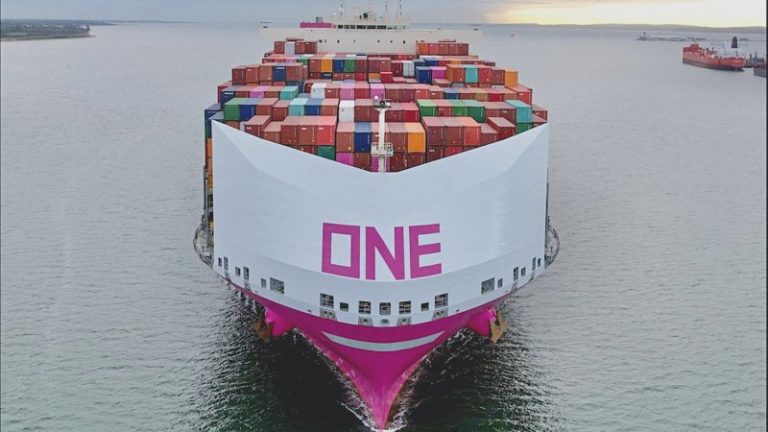
Africa is experiencing a phase of trade expansion, supported by the African Continental Free Trade Area and the growth of agri-food supply chains. In this context, the report published by Ocean Network Express on 14 April 2026 highlights an increasingly critical operational constraint: the shortage of refrigerated containers relative to demand generated by exports of perishable goods. The phenomenon, referred to as the “reefer gap”, is particularly evident at the main port gateways in southern and eastern Africa.
At the heart of the issue is the structure of trade flows. Imports from Asia to countries such as South Africa and Kenya mainly consist of manufactured goods - machinery, plastics and textiles - transported in dry containers. By contrast, African exports are increasingly focused on high-value agricultural products that require controlled temperature and humidity conditions. This mismatch creates an equipment imbalance which, during seasonal peaks, results in a marked shortage of available refrigerated units. Data from 2024 cited in the Ocean Network Express report show that up to 55% of demand for reefer containers in Durban and 30% in Mombasa was not met by inbound flows. This structural anomaly directly affects operators’ ability to plan shipments and ensure cold chain continuity.
The situation is closely linked to the growth of agricultural exports. South Africa remains the continent’s leading container traffic hub, with an import profile dominated by the automotive sector and exports concentrated on citrus fruit, which account for around 40% of outbound volumes. Over the past decade, South African fruit and vegetable exports have recorded average annual growth of 4.6%, with a broader product mix including apples, grapes and cherries.
At the same time, Kenya is emerging as a fast-growing regional hub. According to data compiled by S&P Global Market Intelligence, fruit exports are expanding at an average annual rate of 13.9%, driven in particular by avocados. Since 2015, production has increased fourfold, making the country the world’s sixth-largest producer. This development has accelerated demand for long-distance refrigerated transport, which is essential to preserve product quality and maintain value in international markets.
A geographical factor further compounds the structural issue. Key production areas are located far from ports: citrus-growing regions in Limpopo, South Africa, and central Kenyan areas such as Murang’a, Kiambu and Nakuru are hundreds of kilometres from maritime terminals. This requires empty reefer containers to be moved inland from port areas, increasing operating costs and adding complexity to fleet management.
In this context, the Ocean Network Express report identifies an operational lever in the wider use of non-operating refrigerated containers, known as Non-Operating Reefers. The approach involves using these units, with their refrigeration systems switched off, to transport dry cargo on inbound routes. This allows containers to be routed directly to inland agricultural areas, reducing the need for empty repositioning. Adopting this strategy delivers benefits on several levels. On the one hand, it helps contain the rising costs associated with equipment repositioning, which are an increasing burden for logistics operators. On the other, it improves the availability of refrigerated containers near agricultural processing centres, where units can be quickly activated and used for exports.
Another aspect concerns the technical characteristics of the units. Even when used without power, refrigerated containers offer superior insulation and cleanliness compared with standard dry containers, making them suitable for transporting goods destined for sensitive supply chains and helping to maintain high quality standards throughout the logistics chain. From a flow perspective, this bidirectional approach helps reduce the asymmetry between imports and exports, turning a structural constraint into an opportunity for improvement. Having containers already positioned in production areas reduces response times during seasonal peaks and enhances shipment planning.
Mara Gambetta