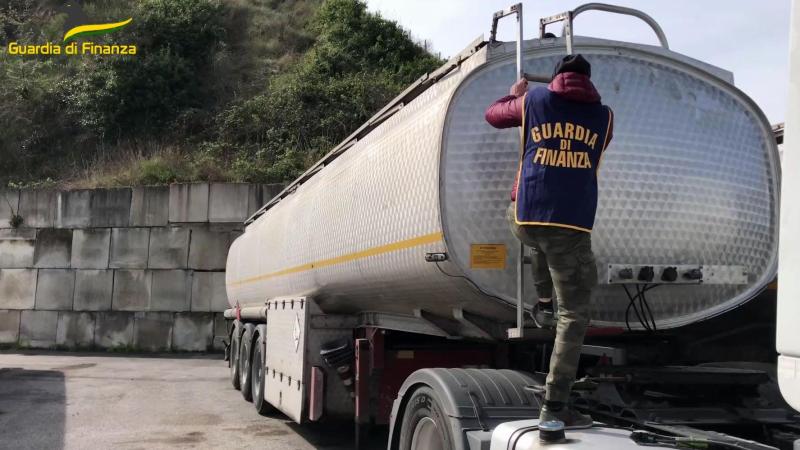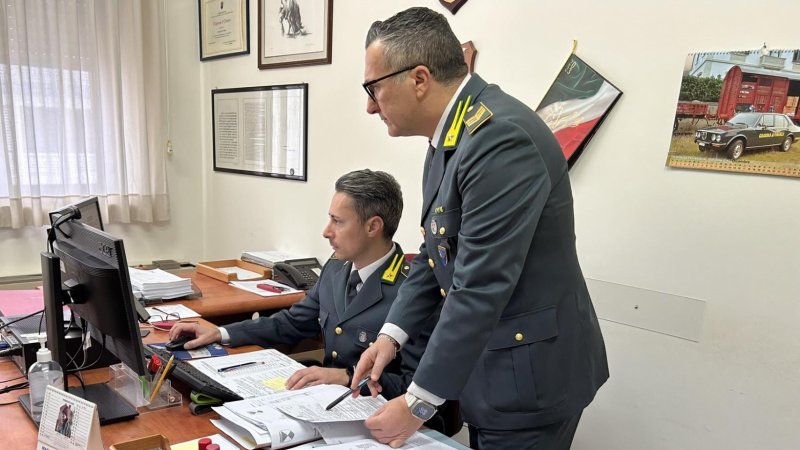







Operation Logistic Games, coordinated by the Trentino Alto Adige and Belluno Traffic Police Department (Compartimento Polizia Stradale Trentino Alto Adige e Belluno), has uncovered an alleged structured system of fraud in abnormal road haulage, with eleven individuals under investigation on various counts including criminal association, forgery and aggravated fraud. The inquiry focuses on activities along the Brenner axis, across routes linking Italy, Austria and Germany. At the centre of the investigation is a company incorporated under Austrian law and linked to a South Tyrolean entrepreneur, whose name has not been disclosed, operating in logistics and out-of-gauge and overweight transport, with branches in several European countries and operational subsidiaries also in Italy. The company is alleged to have operated both directly and through associated firms, managing a complex network of abnormal transport operations.
Investigators believe the system was based on the systematic use of counterfeit licence plates and falsified documentation. In particular, industrial vehicles are alleged to have been fitted with non-authentic plates and to have used registration documents apparently issued by the Motorisation Authority but containing data that did not correspond to the vehicles actually deployed. These were reportedly accompanied by manipulated or forged certifications and endorsements, formally attributable to the competent offices. This mechanism is said to have enabled convoys to appear compliant even when, due to their technical characteristics, they would not have obtained the same permits or would have required more complex, longer and more costly procedures.
Another element emerging from the investigation concerns the use of vehicles that did not match the declared technical specifications. Checks are said to have revealed discrepancies between the data in the documents and the actual configuration of the vehicles in terms of weight, dimensions and equipment. Investigators state that the fraudulent obtaining of permits, the evasion of higher tolls and charges owed to motorway concessionaires and local authorities, and reduced operating times would have allowed the company to offer faster services at lower prices than operators following standard procedures, creating an undue competitive advantage.
The eleven suspects face, to varying degrees, charges of criminal association, linked to the alleged existence of a stable organised structure, forgery for the production and use of counterfeit documentation, and aggravated fraud against motorway concessionaires, Provinces and Municipalities, which are said to have been misled about the regularity of the transports.
The investigation has a cross-border dimension. Searches have been carried out in several Italian regions, including Trentino Alto Adige, Veneto, Lombardy and Lazio, as well as in Austria and Germany. To manage the case, the Kontaktgruppe has been activated, a cooperation group between the Public Prosecutors’ Offices (Procure) of Bolzano, Innsbruck and Traunstein, already used in other cases with international profiles. Investigators are analysing a large volume of paper and digital documentation to determine the extent of the network involved, the number of transports carried out using false documents and the scale of the economic damage to public bodies and concessionaires.