



Fercam closed the 2025 financial year with revenue of €725 million, up 3.28% on the previous year. The Italian logistics operator improved its operating results and increased volumes in an international environment shaped by geopolitical instability, greater complexity on maritime routes and cost pressure. Growth involved the company’s main business areas, confirming the resilience of its operating model and the adaptability of its network. Fercam attributed the result to more efficient process management, cost control, optimisation of its offering and the ability to maintain service continuity even on more challenging international routes. CEO Hannes Baumgartner identified efficiency, service quality and sustainable development as the operational priorities for the year.
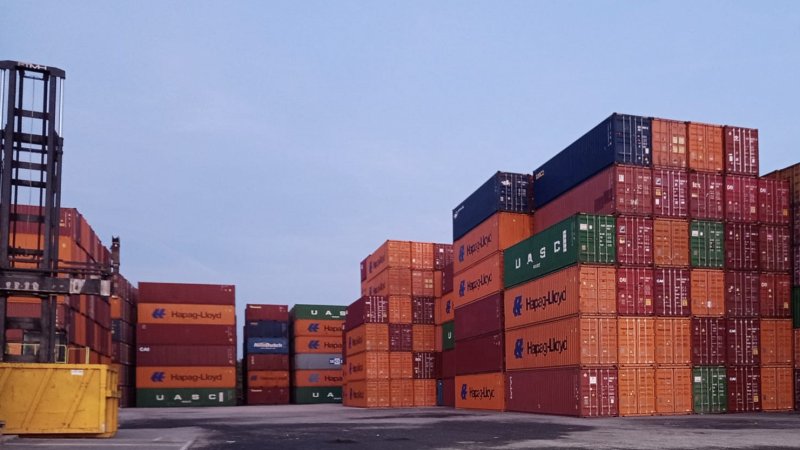
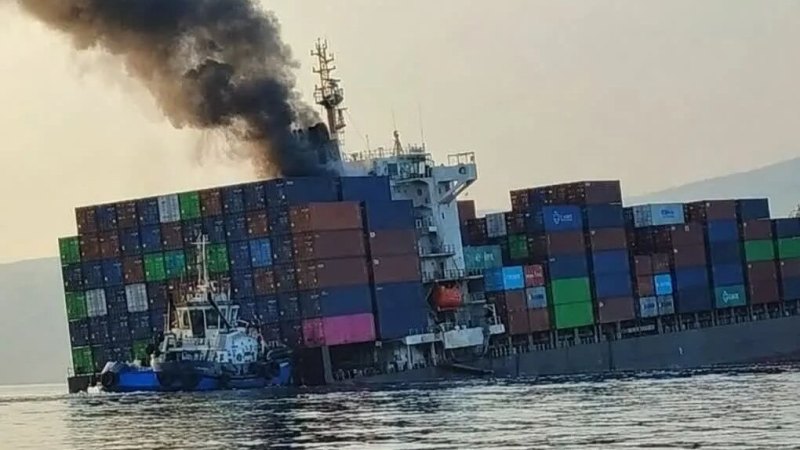
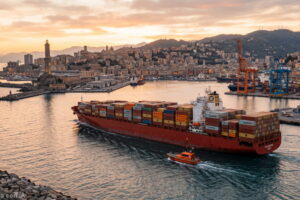
The Air & Sea division strengthened its international presence and links with the Far East, capturing new opportunities in intercontinental traffic. Maritime transport, however, operated in complex conditions, particularly because of the impact of the security crisis in the Red Sea and the conflict in the Middle East. Reduced transits through the Suez Canal and the diversion of many routes via the Cape of Good Hope lengthened transit times, reduced available capacity and increased operating costs on the main Asia-Europe lines.
Against this backdrop, Fercam focused on flexible logistics solutions to ensure continuity for customers. Baumgartner stressed that 2025 required greater responsiveness in maritime transport, as difficulties linked to the Suez Canal and alternative routes increased operational complexity. For supply chain operators, the relevant point is the confirmation of a trend that has already emerged in recent years: planning intercontinental shipments now requires wider time margins, greater integration between modes and more careful capacity management.
The Logistics division exceeded its internal financial targets and contributed to the group’s improved profitability. The result points to continued solid demand for storage services, flow management and integrated solutions, particularly in sectors that require operational continuity and process control. For Fercam, contract logistics therefore remains a lever for consolidation, also because it enables the company to strengthen customer relationships beyond individual shipments.
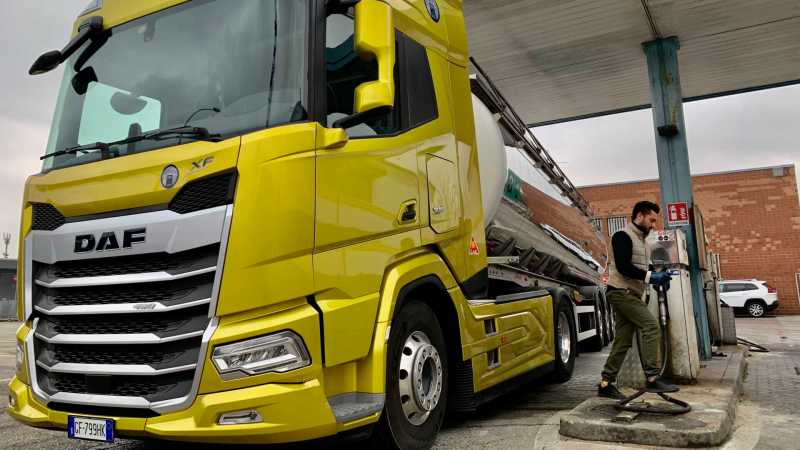
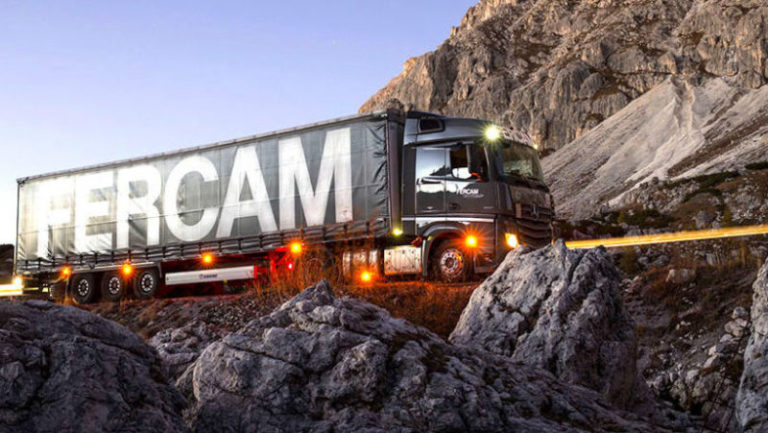
The Transport division maintained a central role in the group’s structure, supported by higher volumes and targeted tariff adjustments. Road transport remains a decisive component of the offering, both for domestic connections and for integration with international activities. In a market marked by variable costs, capacity availability and demand for greater reliability, targeted tariff management helped protect margins without reducing service coverage.
Special Services activities continued to support the diversification of the offering. This area enables the group to oversee more specialised services, in which organisational capability and the ability to adapt solutions to customer needs carry significant weight. According to Fercam, the improvement in results also reflects the commitment of its staff and more careful management of internal processes.
During 2025, the group consolidated its territorial presence with the opening of new facilities in Bari and Campobasso. The network expansion strengthens coverage in southern Italy and brings services closer to local production and distribution areas. Another important step was the integration of Shado Forwarding, completed in 2025. The operation broadened Fercam’s expertise in international forwarding and port logistics, strengthening the group’s positioning in global traffic.
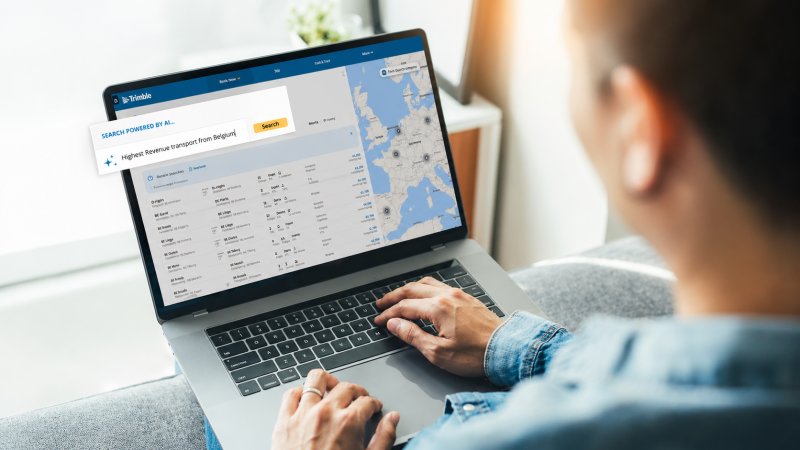
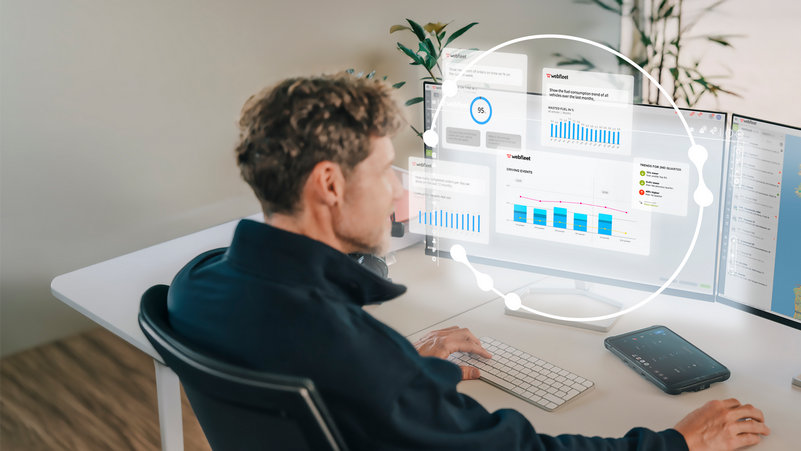
Fercam also worked on innovation, continuing the adoption of digital tools to support operational efficiency. The InstaFercam platform, based on artificial intelligence and machine learning, was identified by the group as one of the tools used to improve processes and the customer experience. The aim is to make request management smoother, increase responsiveness and strengthen operational control of shipments.
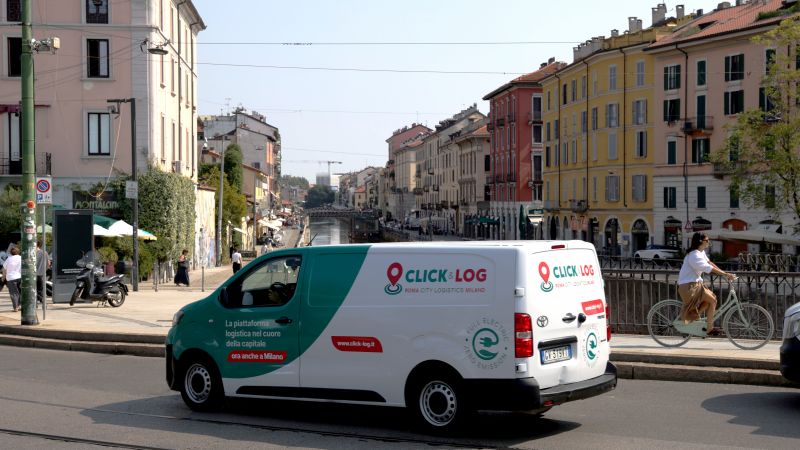
Sustainability remained one of the group’s investment priorities. In 2025, Fercam accelerated the adoption of low-emission transport solutions, with investment in electric vehicles and alternative fuels. Baumgartner described sustainability and digitalisation as pillars of the company’s strategy, linking them to the need to provide more efficient and responsible services. For the sector, this approach confirms the gradual shift of investment towards vehicles, processes and technologies capable of reducing environmental impact without compromising operational continuity.
For 2026, Fercam expects to continue with a strengthened structure, targeted investment and a focus on service quality. The environment remains complex, but the group points to efficiency, flexibility and sustainability as the levers for consolidating competitiveness.