





Spediporto signed a framework agreement in Barcelona in April 2026 with Escola Europea-Intermodal Transport (European School-Intermodal Transport) to strengthen training for the port and logistics system. The agreement, which will run for 60 months, was signed during a visit to the Catalan city by a delegation from the Genoa and Savona port community. It aims to develop joint training pathways in intermodality, digitalisation, environmental transition and operational skills.
At the centre of the agreement is the joint promotion of the Most Italy, Motorways of the Sea Training programme, which focuses on short-sea shipping and intermodality. This will be complemented by the Going Digital course, geared towards the digitalisation of logistics operations, and the Port Virtual Lab, a simulated environment for training in port operations. The agreement also provides for specialised courses in rail-port activities, the blue economy and the application of artificial intelligence to public administrations in the port and logistics sector.
The agreement also includes joint participation in European projects, particularly Interreg, Horizon Europe and ESF+, as well as cooperation with Italian vocational training institutes and universities. Under the agreement, Escola Europea-Intermodal Transport is recognised as an institutional member of Spediporto, strengthening an already well-established relationship between the Genoa-based organisation and the training institution founded in 2006. According to Spediporto director general Giampaolo Botta, the agreement represents "a concrete step towards excellence in port training".
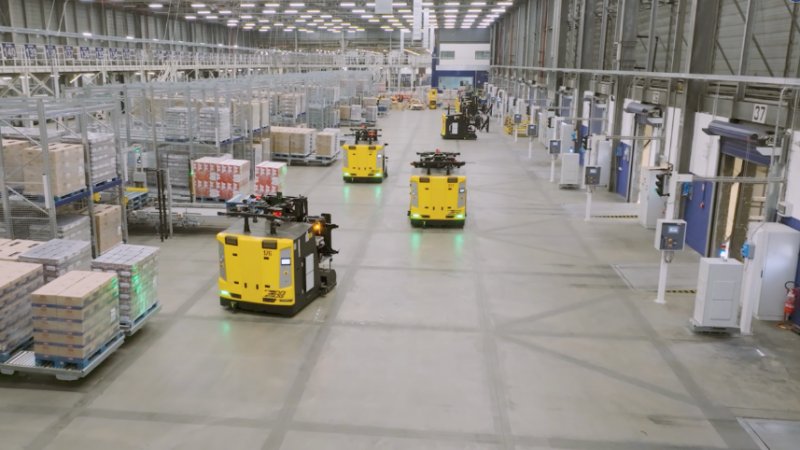
Eduard Rodés, director of Escola Europea-Intermodal Transport, highlighted the value of cooperation between port communities, local institutions and customs administrations. In his view, the dialogue with Barcelona offers Genoa useful elements for developing its own strategy, also in light of visits to Mercabarna and the 3D Factory, two facilities that demonstrate the integration of logistics, innovation and urban services.
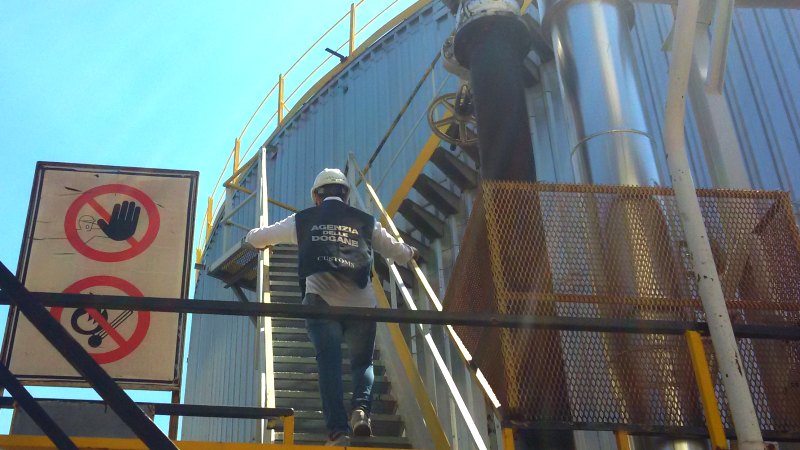
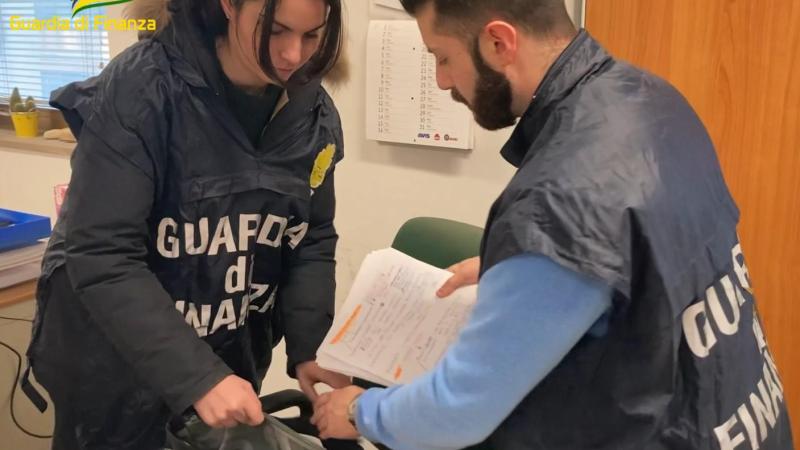
The mission to Barcelona was organised by the Autorità di Sistema Portuale del Mar Ligure Occidentale (Western Ligurian Sea Port System Authority) in cooperation with the Autoridad Portuaria de Barcelona (Port Authority of Barcelona) and Escola Europea-Intermodal Transport (European School-Intermodal Transport). Over two days, the delegation met representatives of the Ajuntament de Barcelona (Barcelona City Council), the Generalitat de Catalunya (Government of Catalonia) and the Spanish Customs Agency. Visits to Mercabarna, one of Europe’s leading agri-food markets, and the 3D Factory, the Port of Barcelona’s advanced manufacturing innovation hub, provided an opportunity to examine models for coordination between the port, urban logistics, manufacturing innovation and business services.
Escola Europea-Intermodal Transport, established in 2006 with the Port of Genoa among its founding members, now serves as a reference centre for intermodal training in the Mediterranean. With operational bases in Barcelona and Civitavecchia, it delivered 94 courses in 2025 with more than 3,200 participants, including over 800 involved in immersive training experiences on board ships. In Italy, Escola has expanded its presence through partnerships with universities and vocational training centres, adding programmes on artificial intelligence, port operations and logistics to its traditional courses. The port academies launched in Italian ports have introduced hundreds of students to maritime transport and logistics professions, with an approach focused on direct experience and knowledge of operational processes. All Escola training activities are certified to ISO 9001:2015.