




Array ( [0] => 8 [1] => 10155 )

Podcast K44

Cronaca

  • Sequestrati in Sicilia due autocarri con targhe non proprie

    Sequestrati in Sicilia due autocarri con targhe non proprie

    La Sezione Polizia Stradale di Caltanissetta ha sequestrato due autocarri intestati a una ditta autotrasporto che erano privi di copertura assicurativa e con targhe riferite ad altri veicoli. Il secondo camion era stato inviato dall'impresa per trasbordare il carico del primo. Sanzioni per circa 8mila euro.

Transpotalk

Normativa

Mare

  • Le rotte europee spingono i noli container

    Le rotte europee spingono i noli container

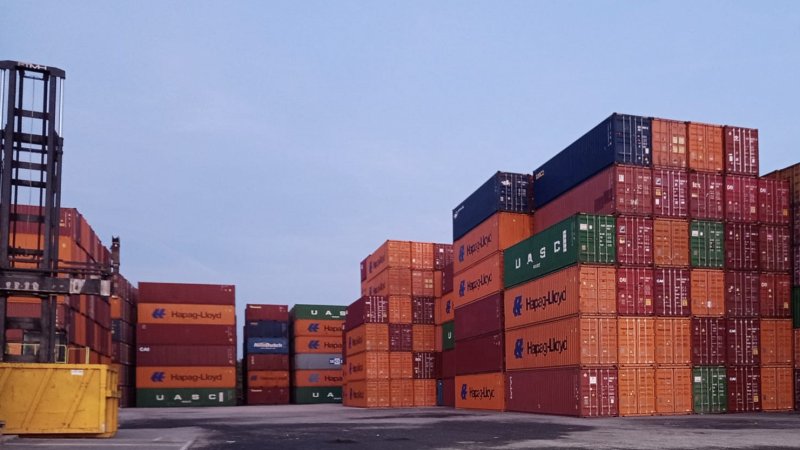
    Il World Container Index di Drewry sale del 3% a 4.485 dollari per container da 40 piedi, trainato dall'Asia-Europa, dove i noli spot medi tornano a crescere dopo tredici settimane di calo. Sul transpacifico Los Angeles guadagna il 3%, New York cede l'1%.

Autotrasporto

  • Rhenus riunisce a Padova trasporto e magazzino

    Rhenus riunisce a Padova trasporto e magazzino

    Dal primo trimestre del 2027 Rhenus concentrerà nell'Interporto di Padova trasporto nazionale e internazionale, spedizioni e magazzinaggio, su 10mila metri quadrati. Due magazzini attuali confluiranno nel nuovo sito, mentre a Dubai ha aperto un ufficio dedicato alla logistica umanitaria.

    Electric trucks appeal to German drivers

    Foto: Volvo Trucks

    In German logistics and freight transport, a significant share of company management believes its drivers are wary of electric trucks. According to a survey carried out by Oko Institute on the German market, 59% of corporate decision-makers believe battery-electric vehicles are less appreciated by driving staff than traditional diesel vehicles. Only 23% of respondents think the two types of vehicle are viewed equally by drivers, while just 8% believe electric trucks are preferred.

    Data collected directly from drivers who already use these vehicles presents a radically different picture. Early adopters of electric trucks in Germany report high levels of satisfaction, linked to concrete and measurable factors: better driving performance than internal combustion vehicles, a considerable reduction in cab noise and the almost complete absence of vibration, as well as lower routine maintenance requirements. These are factors that directly affect the quality of a driver’s daily work, not just environmental or economic variables.

    This gap between senior management perception and the actual experience of driving staff is not without consequences. Germany’s transport sector has been dealing for years with a structural shortage of drivers, which companies themselves cite as one of the main reasons for pessimism about the sector’s future prospects, alongside strong cost pressure. In this context, the ability to attract and retain qualified staff increasingly depends on the quality of working conditions offered. The reduction in physical stress linked to driving, which electric vehicles provide by eliminating noise and vibration, may be a competitive advantage in the labour market that companies do not yet appear to have fully considered.

    The sector’s operating patterns offer another point for reflection. Some 70% of the logistics companies surveyed use more than 75% of their fleet on a single-shift basis. This organisational model is structurally compatible with the charging needs of electric vehicles: long overnight downtime allows vehicle range to be restored without interfering with drivers’ working cycles. From this perspective, the switch to electric does not require most fleets to reorganise shifts or worsen drivers’ working conditions.

    A more limited but still significant operational issue remains. On average, 5% of the trucks in the fleets examined spend the night parked in locations defined as “third-party”, meaning outside company premises, in most cases at the driver’s home. This creates a practical infrastructure challenge: for these vehicles, overnight depot charging is not feasible, while alternative solutions based on cooperative agreements or decentralised infrastructure remain underdeveloped.

    The overall picture emerging from the analysis suggests that many company management teams are taking only a partial view of electric trucks. Assessed mainly through the lens of purchase costs, range and regulatory constraints, they are rarely considered as a workforce management tool. Yet in a labour market where finding and retaining qualified drivers has become one of the sector’s main operational problems, improving driving conditions could prove to be as important a lever as reducing green tolls or complying with emissions regulations.

    Pietro Rossoni

    © TrasportoEuropa - Riproduzione riservata - Foto di repertorio
    Segnalazioni, informazioni, comunicati, nonché rettifiche o precisazioni sugli articoli pubblicati vanno inviate a: redazione@trasportoeuropa.it

      Puoi commentare questo articolo nella pagina Facebook di TrasportoEuropa

      bottone newsletter piccolo Vuoi rimanere aggiornato sulle ultime novità sul trasporto e la logistica e non perderti neanche una notizia di TrasportoEuropa? Iscriviti alla nostra Newsletter con l'elenco ed i link di tutti gli articoli pubblicati nei giorni precedenti l'invio. Gratuita e NO SPAM!



    CONTENUTI SPONSORIZZATI


Videocast K44

Aereo

  • Lufthansa Cargo estende la rete in Asia

    Lufthansa Cargo estende la rete in Asia

    Con l'orario invernale in vigore dal 25 ottobre 2026 Lufthansa Cargo opera 88 rotte con aerei cargo verso 40 destinazioni, aggiunge Singapore e ripristina Almaty. A Mumbai i voli tutto merci passano al nuovo aeroporto di Navi Mumbai, mentre crescono le frequenze verso Dallas, Houston e New York.

Ferrovia

  • Cassa integrazione in due cantieri del Terzo Valico

    Cassa integrazione in due cantieri del Terzo Valico

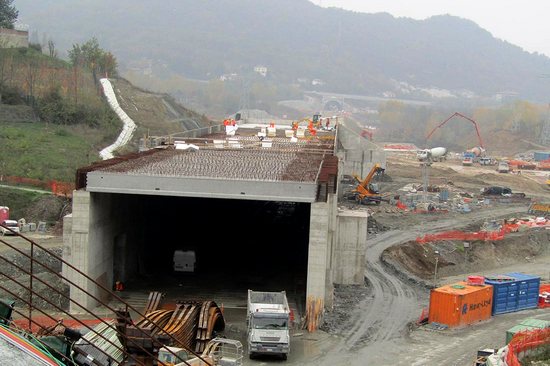
    Seli Overseas, società del gruppo Webuild, ha comunicato tredici settimane di cassa integrazione ordinaria per circa 300 dipendenti dei cantieri di Radimero e Val Lemme. I sindacati la collegano a un presunto contenzioso economico tra Cociv e Rfi, mentre Webuild sollecita al Governo pagamenti su diciotto commesse ferroviarie.

Persone

  • Pessina confermato presidente di Federagenti

    Pessina confermato presidente di Federagenti

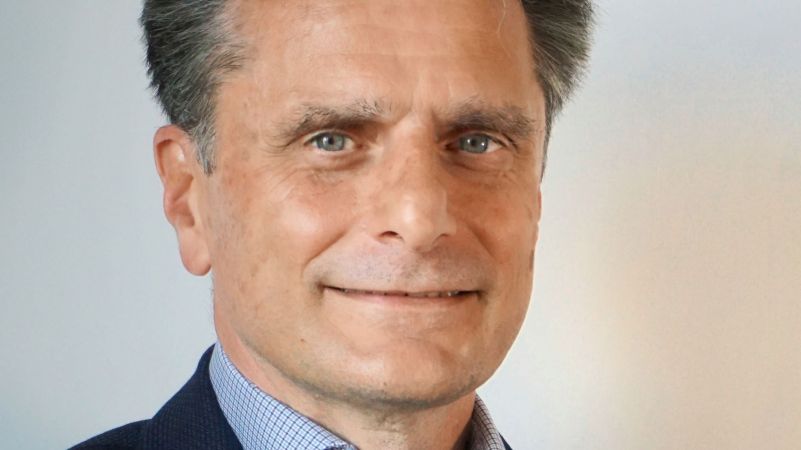
    L'Assemblea di Federagenti ha rinnovato all'unanimità la presidenza di Paolo Pessina, alla guida della federazione degli agenti marittimi dall'ottobre 2024. Ha indicato come fronti aperti le crisi geopolitiche che pesano sui porti e la riforma portuale.
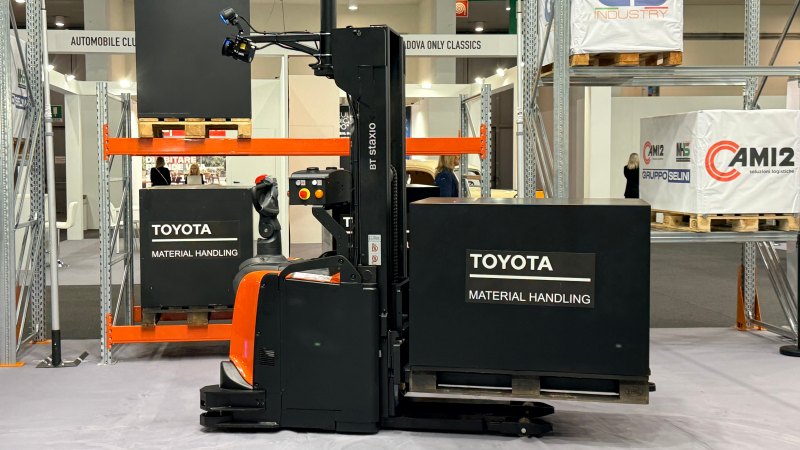
Nuova generazione di carrelli automatici Toyota

TECNICA

Nuova generazione di carrelli automatici Toyota
previous arrow
next arrow
Pessina confermato presidente di Federagenti

LOGISTICA

Pessina confermato presidente di Federagenti
previous arrow
next arrow
Tre società indagate a Genova per frode sui carburanti

ENERGIE

Tre società indagate a Genova per frode sui carburanti
previous arrow
next arrow
Sanilog avvia una nuova campagna oncologica

SERVIZI

Sanilog avvia una nuova campagna oncologica
previous arrow
next arrow