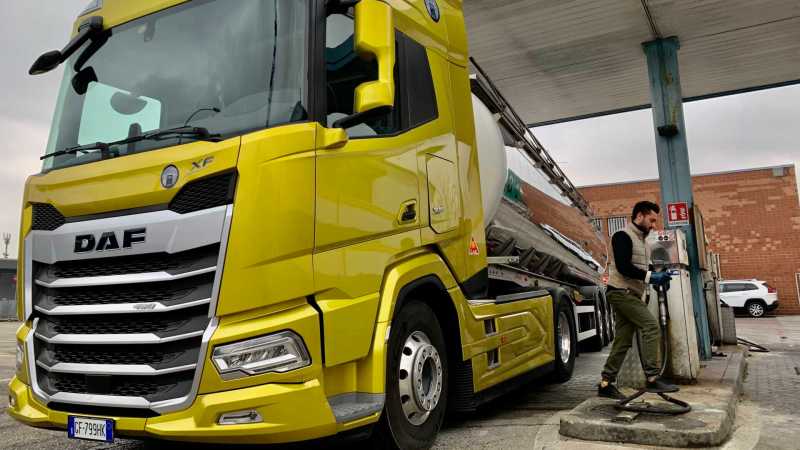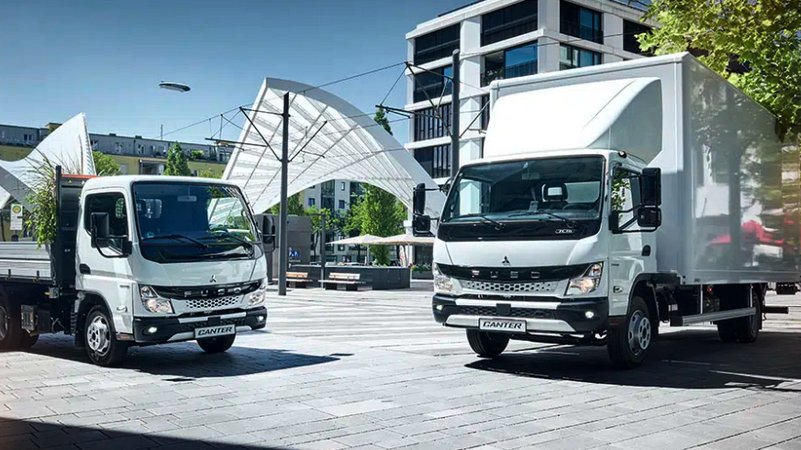






As of 30 October 2026, Iveco Group is part of Tata Motors. The Indian manufacturer has completed settlement of the first stage of its takeover offer and, through its Dutch subsidiary Tml Cv Holdings, holds 238,157,212 ordinary shares, representing 87.81% of the share capital and 89.42% excluding treasury shares. The new board took office on the same day, with Natarajan Chandrasekaran as chairman and Olof Persson remaining chief executive.
Following publication of the final results and fulfilment of all conditions, the offer has become unconditional. Tata is paying €14.40 per share for the shares tendered during the initial acceptance period, which closed on 26 October, for a total outlay of around €3.43 billion. The price was raised to this level from the original €14.10 on 9 October, during the acceptance period that opened on 7 September. On 16 October, Iveco shareholders approved resolutions allowing the minimum acceptance threshold to be lowered from 95% to 80%. The transaction covers Iveco trucks and commercial vehicles, Iveco Bus and Heuliez buses, and Fpt Industrial engines. It excludes the Defence division, which was sold to Leonardo in March 2026.
The new board has six members. Alongside Persson, the sole executive director, sit three Tata group representatives - Chandrasekaran, P. B. Balaji and Girish Wagh - and two independent directors, Guenter Butschek and Charles Nichols. Nichols chairs the audit committee, whose other members are Balaji and Butschek. Butschek chairs the remuneration committee, alongside Balaji and Nichols, while Wagh chairs the ESG committee, with Butschek as its other member. On settlement of the takeover offer, the company also repurchased all outstanding special voting shares for no consideration: none remain as of 30 October, and Tata’s control rests entirely on its ordinary shareholding.
Chandrasekaran, born in 1963, has chaired Tata Sons since February 2017, having spent around 30 years at Tata Consultancy Services. He joined the company in 1987 and served as chief executive from 2009 to 2017 before moving to the conglomerate’s holding company. Balaji, born in 1969, has a finance background: he rose to chief financial officer at Hindustan Unilever and joined Tata Motors as group chief financial officer in November 2017. The biography published by Iveco for the shareholders’ meeting now lists him as chief executive of Jaguar Land Rover Automotive. Wagh, born in 1970, is chief executive of Tata Motors Limited and brings the board’s most extensive commercial vehicle experience. He joined the manufacturer as an engineer in 1992 and led development of the Tata Ace mini-truck and Nano car. He became head of the commercial vehicles division in July 2017 and an executive director in July 2021. He sits on the boards of Tata Cummins, Tata Daewoo Mobility and Tata Hitachi Construction Machinery, and has chaired the commercial vehicle CEOs’ council of Siam, the Indian vehicle manufacturers’ association, since 2020.
The two independent directors also have past or current roles within the Tata group. Butschek, a German national born in 1960, worked at Daimler and Airbus, where he was chief operating officer of Airbus Commercial Aircraft and chief executive of Airbus Germany. He served as chief executive of Tata Motors from February 2016 to June 2021. Since April 2022, he has led Cubonic, which develops highly automated electric light commercial vehicles, and has been an independent director of Tata Motors since May 2025. Nichols, a British national born in 1961, spent his career at Unilever in finance and general management roles. He is a non-executive director of Jaguar Land Rover Automotive, where he chairs the audit committee.
Persson remains in charge of operations. On 2 November 2026, Damiano Cretarola will succeed Anna Tanganelli as chief financial officer, reporting directly to the chief executive, following an appointment announced on 21 October. Tata has committed to retaining Iveco’s headquarters and operational and reporting structure in Turin, alongside non-financial commitments covering organisation, staff, corporate governance and strategy that will remain in force for two years from settlement.
The next steps will depend on the size of the stake secured. If its holding exceeds 90% but remains below 95%, Tata may use a voluntary procedure to acquire the remaining shares. At 95%, it may initiate the compulsory acquisition of minority holdings under Dutch law. The demerger and liquidation already approved by shareholders remain among the options. The first financial results announcement under the new board has been brought forward: Iveco will publish its third-quarter results on 3 November rather than 5 November.
Antonio Illariuzzi