




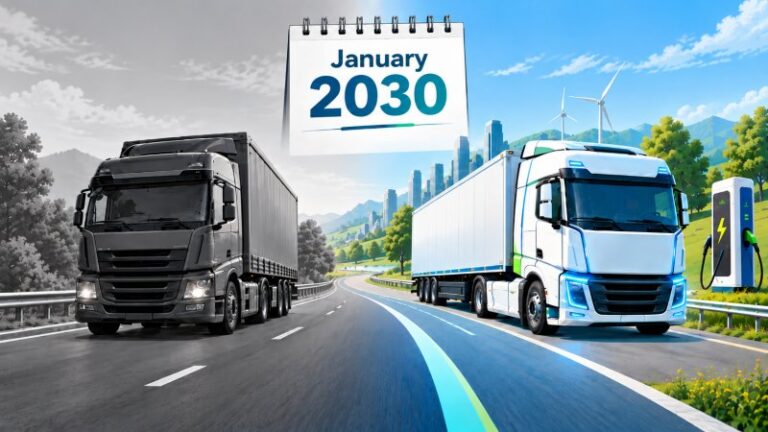
On 14 September 2026, on the eve of the opening of IAA Transportation in Hannover, the CEOs of the seven leading European truck and bus manufacturers - DAF Trucks, Daimler Truck, Ford Otosan, Iveco Group, MAN Truck & Bus, Scania Group and Volvo Group - called on the European Union, through industry association Acea, to move the compliance deadline from 2030 to 2033 for the EU target on reducing CO2 emissions from new heavy-duty vehicles, while suspending the penalties for failing to meet the target in the meantime. The appeal comes as the current legislation - EU Regulation 2024/1610, which tightened the previous Regulation 2019/1242 - requires manufacturers to reduce the average emissions of their new heavy-duty vehicle fleets by 45% from 2030, 65% from 2035 and 90% from 2040, compared with the average recorded during the reference period from 1 July 2019 to 30 June 2020. The target currently in force from 2025 is 15%.
Karin Rådström, president and CEO of Daimler Truck and chair of Acea's Commercial Vehicle Board since January, said the industry remains committed to decarbonisation and has already brought dozens of zero-emission models to market. However, their large-scale adoption depends on an ecosystem - charging infrastructure, the electricity grid and energy costs - that is years behind the regulatory timetable. According to Acea, just 2.4% of new heavy-duty vehicle registrations in the European Union are currently zero-emission. The share falls below 1% in major markets such as Poland, Spain and Italy, while it is higher, though still well short of the targets, in Germany at 4.3% and France at 2.4%. And there are only 45 months to go until 2030.
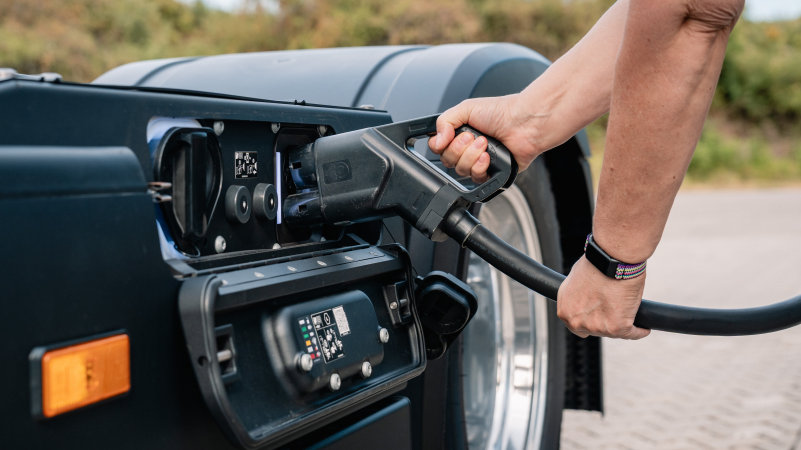
Public charging points suitable for heavy-duty vehicles number fewer than 2,000 across Europe, according to the association, while at least 500 additional points would need to be installed every month to close the gap. The shortage of hydrogen refuelling stations is even greater, with fewer than a dozen currently operational, and these also face significant operational constraints. These delays are compounded by electricity grid connection times that can stretch to several years for depots and public charging sites.
On supporting policies, Acea says CO2-differentiated road tolls are operational in only four member states, while amendments to rules on weights and dimensions needed to offset the payload disadvantage of zero-emission vehicles have yet to be adopted. Another factor is the postponement until 2028 of the introduction of the ETS2 system for road transport: manufacturers are calling for revenues from the mechanism, together with toll revenues, to be reinvested directly in charging infrastructure and the purchase of zero-emission vehicles.
The penalties set out in the Regulation are another key element of the dispute. Every gramme of CO2 per tonne-kilometre above the fleet target carries a penalty of €4,250 per vehicle, and missing the 2030 target by just three percentage points would, according to an Acea estimate, result in total penalties of around €2.2 billion for the industry. The Regulation includes a clause requiring a review of the effectiveness and impact of the targets in 2027, while any formal postponement of the 2030 target would still require a new proposal from the European Commission and a full legislative process involving the European Parliament and the Council of the EU.
Antonio Illariuzzi