



DP World extends in Thailand
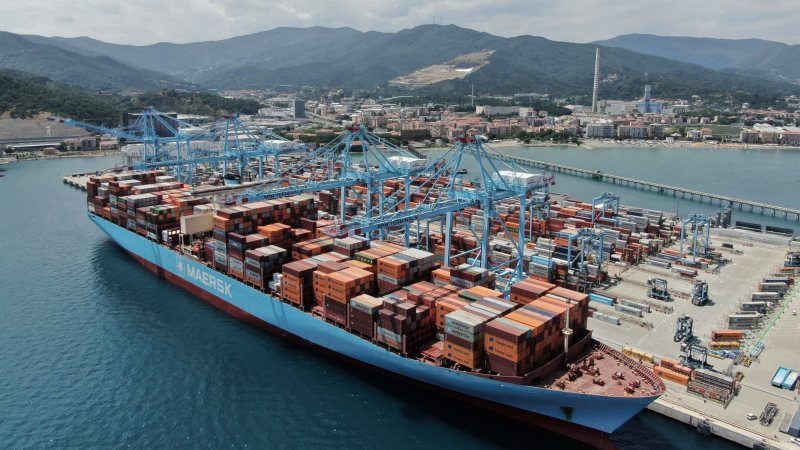
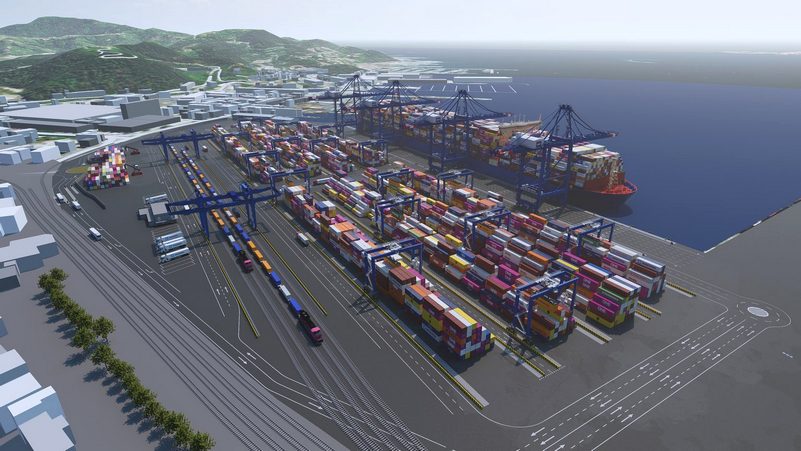
DP World has secured a five-year extension to the concession for berth B5 at the port of Laem Chabang in Thailand through the Laem Chabang International Terminal joint venture. The new agreement, issued by the Port Authority of Thailand, will cover the period from May 2026 to April 2031, ensuring operational continuity at the terminal. Laem Chabang is the country’s main deep-sea container port and Thailand’s largest hub for international trade. Laem Chabang International Terminal operates berths B5 and C3, which together provide around 900 metres of quay and can accommodate up to four vessels at the same time, as well as a CFS area of about 4,400 sq m. In 2025, the terminal handled around 1.936 million TEU, the highest volume ever recorded by the facility. The extension will also allow further investment in operational efficiency and sustainability, including the introduction from 2026 of new electric equipment for terminal operations. The group links the development of the terminal to a wider national logistics network that includes inland services, cross-border road transport and an inland container depot in Khon Kaen, connected to Laem Chabang by a rail service operating three times a week. This integration between maritime and inland transport strengthens the port’s role as a collection and distribution node for intra-Asian traffic and Thailand’s exports and imports, while consolidating DP World’s presence in the Gulf of Thailand.
ONE orders six container ships
Ocean Network Express has ordered six dual-fuel, LNG-ready container ships from HD Hyundai Heavy Industries, with capacity of between 15,000 and 15,900 TEU each, strengthening its new-generation fleet on mainline routes. Deliveries are scheduled between late 2028 and September 2029, with the vessels entering the fleet progressively. The order continues a campaign launched in 2024 covering 36 dual-fuel vessels: 22 methanol-powered 13,000 TEU units at Jiangnan and Yangzijiang, and 14 LNG-powered 15,000 TEU ships at HD Hyundai. The decision confirms a multi-fuel strategy, with LNG and methanol used to reduce technological and regulatory risk. The new vessels will be able to operate on liquefied natural gas, cutting CO2 emissions compared with conventional fuels.
Container ship orders reach record highs
Global orders for container ships have reached record levels, fuelling concerns over future overcapacity in liner shipping. According to analysis reported by Logistics Great and Global Trade Magazine, capacity under construction reached around 13 million TEU in May 2026, equal to 38.3% of the existing fleet. Growth has been driven by a sharp acceleration in orders: Linerlytica reports 5.1 million TEU ordered in 2025 and more than 1.9 million TEU added in the first four months of 2026. According to Maritime Executive, citing BIMCO data, 8.61 million TEU have been contracted over the past 10 quarters, a volume equivalent to that recorded in the previous 30 quarters. Orders are concentrated mainly in China, South Korea and Japan. A summary of Alphaliner data indicates that China accounts for around 7.36 million TEU, more than 70% of the global order book. The drivers include the high profits achieved by carriers in 2021-22, fleet renewal to meet environmental requirements and competition on major intercontinental routes. Several analysts, however, believe capacity growth is outpacing transport demand. According to Sea-Intelligence, the rebalancing of supply and demand may not take place before 2028. In this scenario, carriers are adopting measures such as blank sailings, lower commercial speeds and delivery management to limit excess slot capacity. The outlook points to persistent pressure on freight rates and the risk of a new phase of price competition, while ports and terminals will need to adapt infrastructure and operational capacity to the arrival of a new generation of large container ships.
China accelerates electric truck rollout
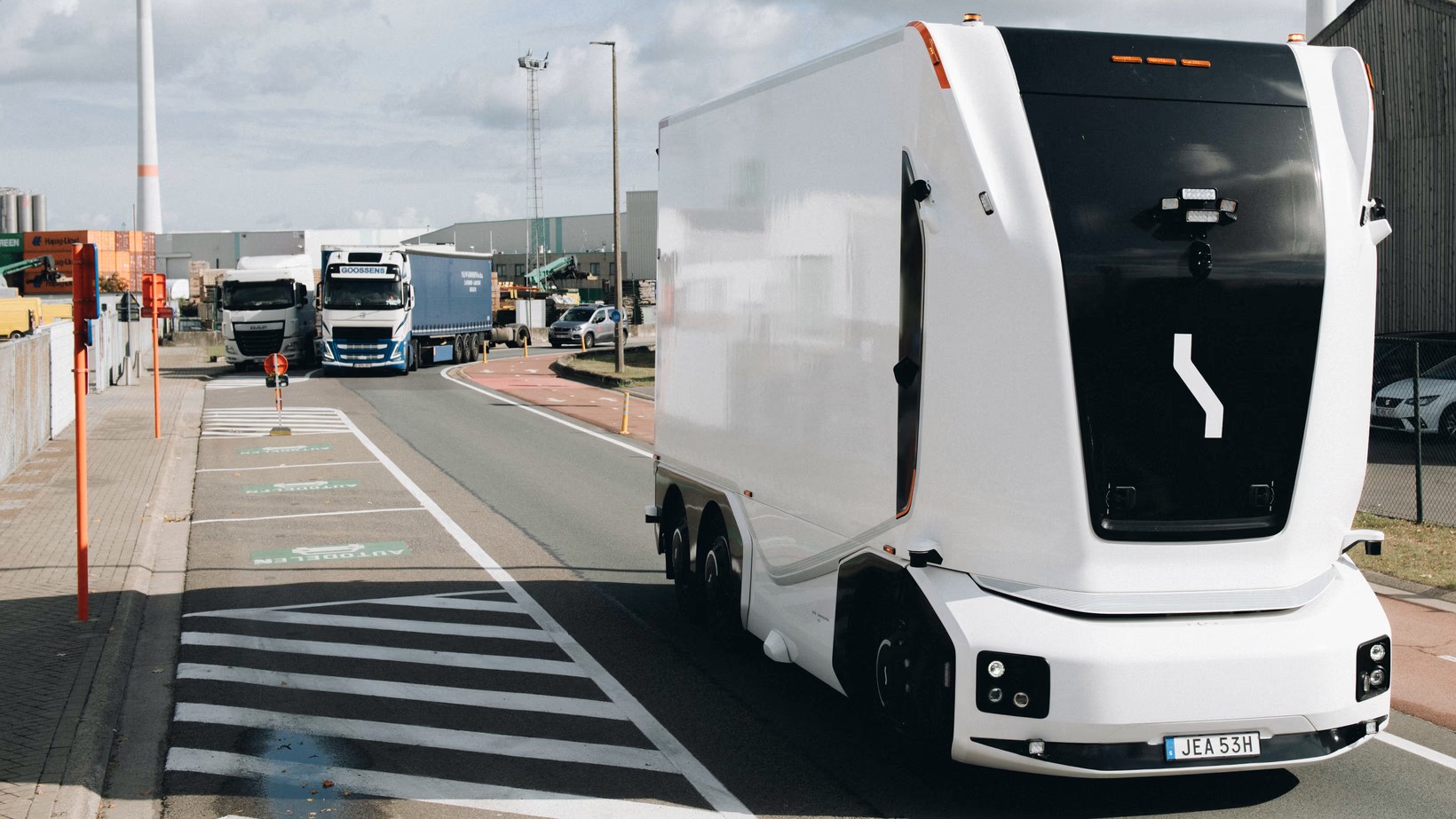
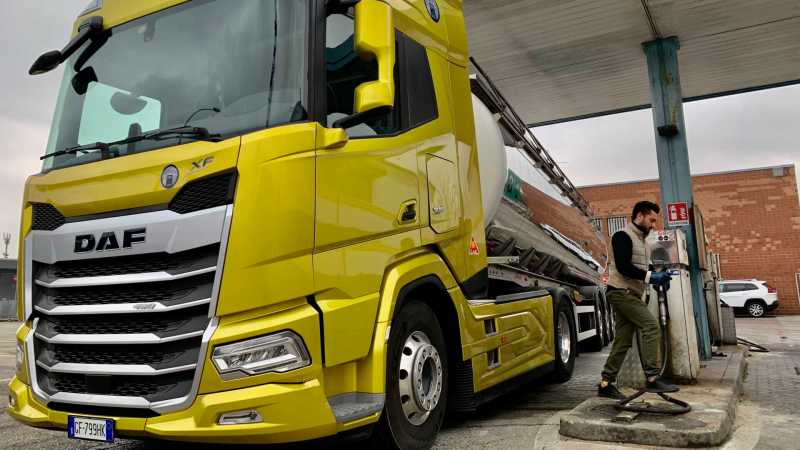
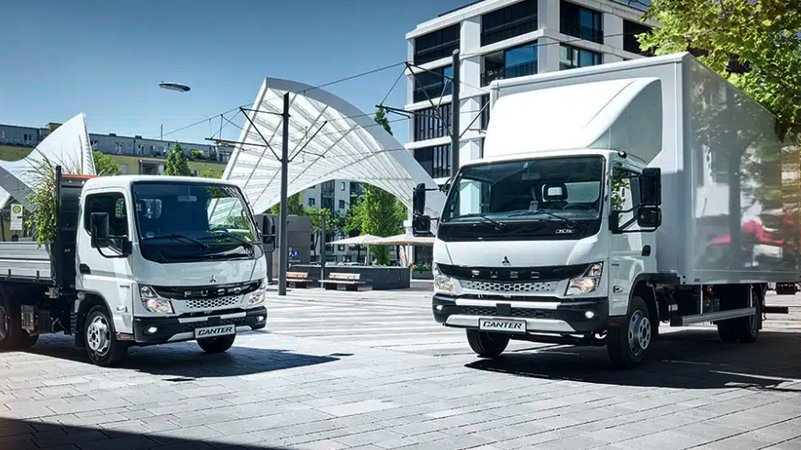
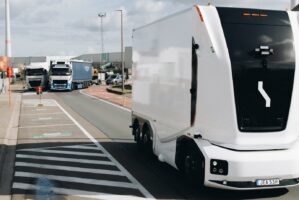
China has set out a plan to increase the adoption of new-energy commercial vehicles, with the aim of reaching a 40% market share by 2030 and a fleet of more than 1.6 million vehicles. According to China’s Ministry of Transport, the programme also envisages that more than 80% of short-haul, fixed-route transport in the country’s main areas will be carried out by electrified vehicles by the end of the decade, and that 18% of freight volumes moved on motorways will be handled by these vehicles. To support the sector’s growth, around 3,000 charging and battery-swapping stations dedicated to heavy trucks are planned, along with 30,000 kilometres of zero-emission logistics corridors along major motorways. New and upgraded service areas will be required to install these facilities or reserve space for their future development. The programme also includes financial incentives for vehicle purchases and infrastructure investment, using dedicated bonds and credit instruments. Measures include the separation of vehicle and battery ownership and battery leasing. The plan aims to expand the use of new-energy trucks in logistics, mining and port operations. According to the China Association of Automobile Manufacturers, the penetration rate of new-energy heavy trucks had already reached about 29% in 2025.
Agricultural routes come under pressure
Wars and geopolitical tensions are reshaping agricultural product routes, imposing new controls on origin, traceability and quality. According to the report by Bureau Veritas Commodities Italia, every energy shock triggers a chain reaction affecting fertilisers and agricultural products, especially when it blocks supplies from key areas such as Ukraine and the Persian Gulf. A crisis tends to become chronic within two to four weeks, while normalisation can take a very long time, even up to a decade. In the case of the war in eastern Europe, the gap left by Russia and Ukraine has been offset by only 57%, keeping prices high. The scenario outlined by Bureau Veritas Commodities points to a gradual return between 2026 and 2032, with values still above pre-2020 levels. By 2030, the agricultural market appears more volatile, with a high price base and geographic concentration still a critical issue. The crisis has mainly benefited Argentina and Brazil, where agricultural incomes have risen by 45% and 50% respectively, while Europe and other exporters have seen more limited gains. Maritime transport remains vulnerable because of high costs, as do fertilisers because of geographic concentration and sanctions on Russia. Technology is supporting yields, but in the short to medium term it is not enough to offset geopolitical and climate shocks.