



Contship closed 2025 with net revenues of €293 million, up 10.9% on 2024. According to the statement issued by the Group, based on Eurokai’s annual report, consolidated profit for the year also increased, rising by 16.7%. Tommaso Ferrario, CFO of Contship, linked the 2025 results to the strengthening of intermodal activities and the expansion of operations at maritime terminals. Growth was spread across several operating areas, with contributions from the port sector and the rail and inland transport network.
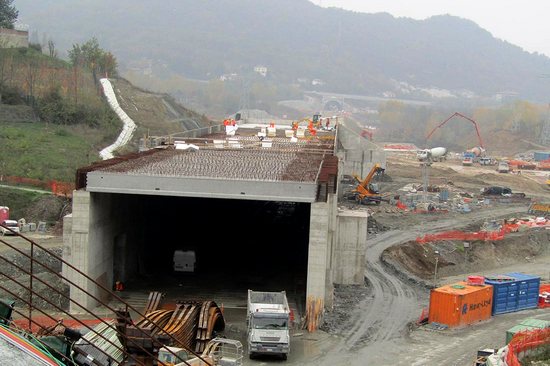
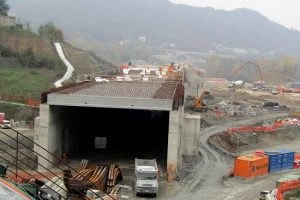
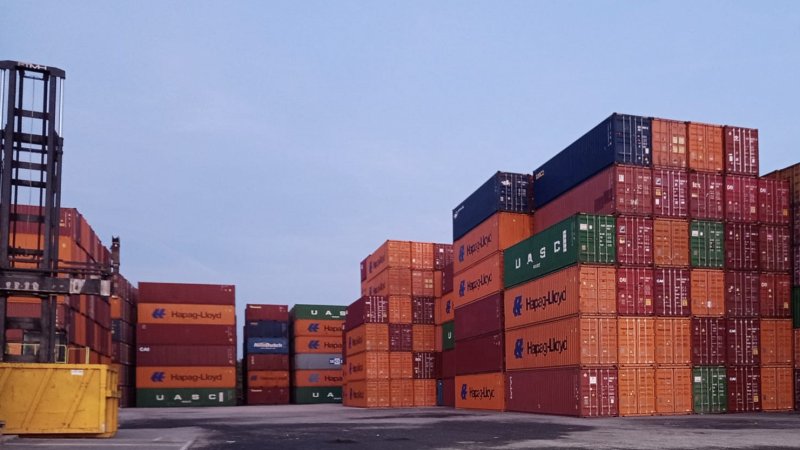
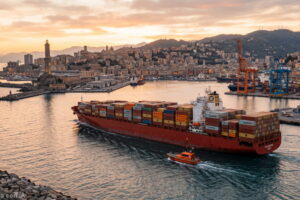
In maritime transport, La Spezia Container Terminal led the increase in revenues. The result came in a year affected by non-routine operational factors, including the temporary closure of one of the two berths at the Fornelli quay for safety works and the redesign of routes linked to the new structures of global shipping alliances that came into force in 2025. According to Contship, the impact on handled volumes remained limited thanks to operational continuity during the transition phase. The La Spezia terminal remains an important hub in the logistics corridors served by the Group, including from an infrastructure perspective. In 2025, preparatory activities continued for the new Ravano terminal, which is part of the programme promoted by Contship to modernise and increase the port’s capacity. The project forms part of a long-term strategy aimed at supporting the port’s operational capacity and strengthening its role in container flows.
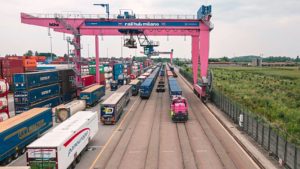
Intermodal transport recorded its fifth consecutive year of operational growth. Sogemar, Hannibal, Oceanogate, Rail Hub Milano and Drivemybox benefited from the launch of new services and the strengthening of intermodal connections in Italy and Europe. This performance is also significant in light of the infrastructure issues that continue to affect the sector, particularly the regularity of connections and available capacity along some rail routes. Growth in intermodal services points to demand for solutions capable of linking ports with the main production and distribution basins, reducing dependence on road-only transport over long distances. In this context, the development of rail connections and inland hubs becomes an operational factor in the competitiveness of logistics corridors.
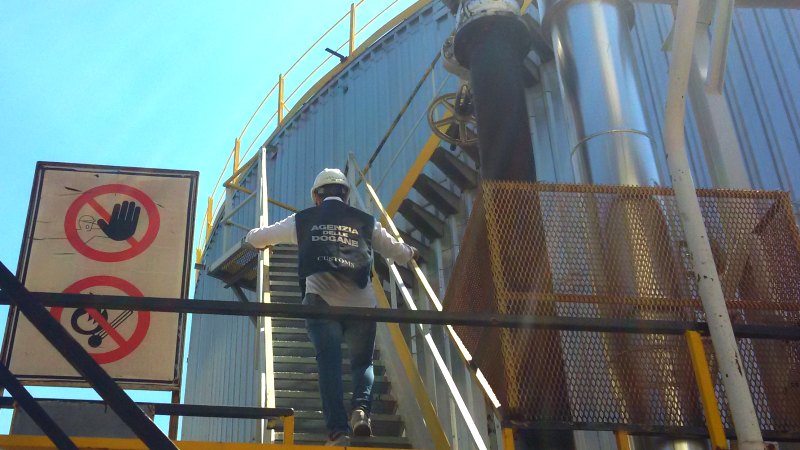
In June 2025, Contship completed the acquisition of the Sts Group, a transaction that strengthened its integrated customs solutions offering. The addition of specialist expertise in cargo-related services allows the Group to expand its coverage along the logistics chain, adding a more structured component in documentation and customs processes to its terminal and transport activities. For operators, this step could affect the management of international flows and help reduce operational discontinuities.
Growth also extended to employment. At the end of 2025, Contship had 1,150 employees, an increase partly driven by 196 new hires. The figure includes the integration of 96 employees from the Sts Group, confirming the combined effect of organic development and acquisitions. During the year, Contship defined and launched its sustainability strategy, "Moves That Matter", built on a double materiality analysis. The company said its aim is to integrate sustainability criteria more structurally into decision-making processes and the levers of business development. For a group active in port terminals, intermodal services and logistics services, this pathway concerns both environmental impacts and the industrial management of infrastructure and relationships with operators across the logistics chain.
The development strategy also looks to the start of operations at the new Damietta terminal and expansion works at the La Spezia terminal, scheduled for the second half of the year. Matthieu Gasselin, CEO of Contship, identified these projects, together with investments in intermodal services, as the main drivers of growth and value creation for the Group. The direction remains one of strengthening in areas considered strategic and in European and international logistics corridors. Contship also plans to continue its digital transformation path with initiatives focused on artificial intelligence and predictive analytics. The objective is to improve operational efficiency and customer service by acting on processes and on the ability to anticipate operational requirements. The strategy remains based on expanding capacity along the logistics chain and on direct control of strategic assets, with a focus on the long-term resilience of the integrated model.