



Array ( [0] => 8 [1] => 10155 )

Podcast K44

Cronaca

  • Controllo straordinario sui camion in Germania sull’A2

    Controllo straordinario sui camion in Germania sull’A2

    La Polizia autostradale tedesca di Bielefeld ha controllato circa 130 veicoli industriali sulle aree di servizio Lipperland Nord e Sud, tra Bielefeld e Herford. Contestate 87 infrazioni, di cui 35 su tempi di guida e riposo. La Dogana ha avviato ulteriori verifiche su lavoro irregolare e salario minimo.

Transpotalk

Normativa

Mare

  • Pesanti attacchi a navi cargo nel Mar Nero

    Pesanti attacchi a navi cargo nel Mar Nero

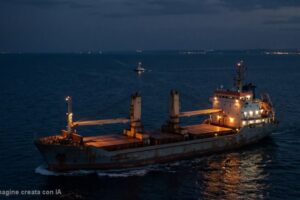
    Droni hanno colpito due navi cargo nel Mar Nero, il giorno dopo l'affondamento della Royad Mammadov, diretta a Ravenna, al largo della Romania. Una nave è affondata e il suo equipaggio risulta disperso, mentre i 18 marinai dell'altra sono stati salvati dopo un incendio a bordo.

Autotrasporto

  • Fusione miliardaria nell’autotrasporto Usa

    Fusione miliardaria nell’autotrasporto Usa

    L'accordo annunciato il 5 ottobre 2026 unisce due dei principali intermediari del trasporto stradale nordamericano, C.H. Robinson e Rxo. La chiusura è prevista nel primo semestre 2027, dopo il voto degli azionisti Rxo e le autorizzazioni regolatorie. L'obiettivo è attuare 300 milioni di dollari di sinergie annue entro due anni.

    DHL tests solar panels on trucks in Sweden

    Foto: Green Energy

    DHL Freight Sweden and Danish energy company Green Energy have launched a pilot involving ten trucks running on alternative fuels—four using HVO (hydrotreated vegetable oil) and six powered by liquefied biogas—equipped with solar panel systems. Operating across Sweden from Luleå to Skåne, the vehicles will be monitored over twelve months to assess the panels’ energy efficiency under different climate conditions.

    The solar energy generated powers on-board components such as tail lifts and cooling systems, reducing the load on the alternator and thereby cutting fuel consumption and CO₂ emissions. The technology, already successfully tested by Green Energy on diesel fleets, achieved reductions in fuel use and emissions of between 4 and 7%. The current goal is to demonstrate that these benefits can be maintained with vehicles running on lower-impact renewable fuels.

    Each truck is fitted with a photovoltaic system of either 240 or 320 Wp, depending on the model, and a control unit that gathers real-time data through the Fleet Tracker software. Joint analysis of the results will help evaluate the operational, economic and environmental benefits of solar energy in road freight transport. As Ylva Öhrnell, head of sustainability at DHL Freight Sweden, noted, the project represents “another step towards reducing freight transport emissions by combining solar energy with the renewable fuels already in use across the company’s network.”

    The panels use CIGS thin-film technology, designed by Green Energy for the transport sector. Lightweight, flexible and resistant to shocks and weather conditions, they integrate seamlessly onto vehicle roofs without affecting aerodynamics. According to Anders Mikkelsen, head of strategic sales at the company, the trial aims to measure the impact of solar technology not only in terms of fuel savings but also operational reliability and the durability of on-board electrical components.

    The Swedish project forms part of a broader trend spreading across European transport. Several companies are adopting solar technology as a complementary tool in their decarbonisation strategies. Among them, Samat International AB was recognised in 2025 by Danish daily Børsen as a sustainability case study for integrating solar panels into its long-haul fleet, with proven benefits in both costs and emissions. MD Logistika uses photovoltaics to reduce engine idling and unproductive fuel consumption, while FlixBus has installed solar panels on its biogas and HVO-powered vehicles as part of a wider emissions reduction plan presented in its annual Sustainability Report.

    According to data released by Green Energy, fleets adopting this technology can save up to one litre of diesel per 100 kilometres, with payback times ranging from one to three years. Beyond the economic benefits, advantages include fewer electrical failures and improved driver comfort thanks to more efficient on-board energy management. The use of solar panels in road transport also enables the creation of verifiable sustainability indicators, relevant for ESG reporting and environmental criteria in public tenders. Data collected by tracking systems can be integrated into reports on direct and indirect emissions (Scope 1 and Scope 3), providing logistics companies with a transparent and credible tool for clients and investors.


    © TrasportoEuropa - Riproduzione riservata - Foto di repertorio
    Segnalazioni, informazioni, comunicati, nonché rettifiche o precisazioni sugli articoli pubblicati vanno inviate a: redazione@trasportoeuropa.it


      Puoi commentare questo articolo nella pagina Facebook di TrasportoEuropa

      bottone newsletter piccolo Vuoi rimanere aggiornato sulle ultime novità sul trasporto e la logistica e non perderti neanche una notizia di TrasportoEuropa? Iscriviti alla nostra Newsletter con l'elenco ed i link di tutti gli articoli pubblicati nei giorni precedenti l'invio. Gratuita e NO SPAM!


    CONTENUTI SPONSORIZZATI


Videocast K44

Aereo

  • La domanda di cargo aereo supera la capacità ad agosto 2026

    La domanda di cargo aereo supera la capacità ad agosto 2026

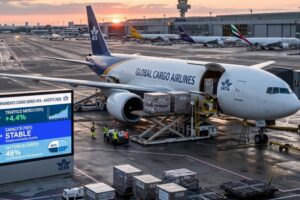
    Le rilevazioni della Iata ad agosto 2026 mostrano che il trasporto merci aereo mondiale è cresciuto del 4,4% su base annua mentre la capacità è sostanzialmente stabile, portando il riempimento al 46%. Guidano Nord America e Asia-Pacifico, arretrano i corridoi mediorientali e il cherosene sale a 157 dollari al barile.

Ferrovia

  • Duisport potenzia i collegamenti ferroviari da Trieste

    Duisport potenzia i collegamenti ferroviari da Trieste

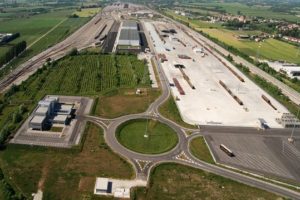
    Duisport porta a quattro le circolazioni settimanali sia sul servizio intermodale Cervignano-Duisburg sia sulla navetta tra il terminal Plt Hhla Italy e l'Interporto di Cervignano. Il servizio, gestito da +.intermodal si basa su un modello neutrale e prevede l'estensione a Wels, in Austria, dal prossimo anno.

Persone

  • L’autotrasporto veronese perde Francesco Corsi

    L’autotrasporto veronese perde Francesco Corsi

    Il 26 settembre 2026 è morto nella sua casa di Colognola ai Colli l’autotrasportare veneto Francesco Corsi. Cominciò nel 1960 con un Leoncino e l’omonima azienda Corsi, specializzata nel trasporto logistica a temperatura controllata e insediata nell'interporto Quadrante Europa di Verona.
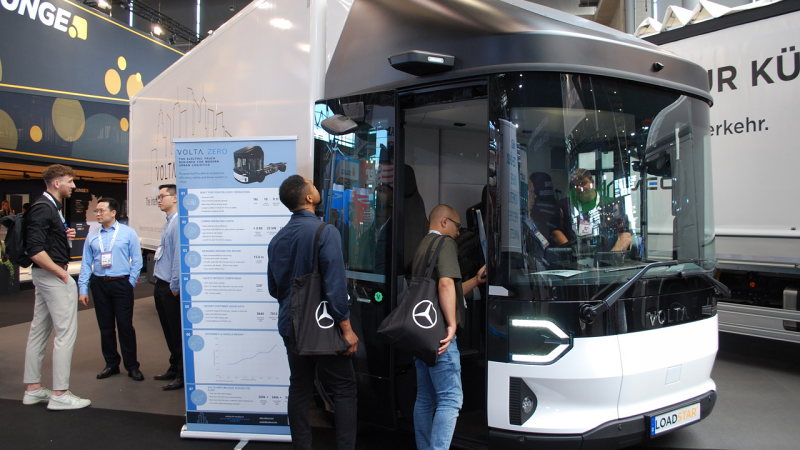
L’elettrico Volta Zero torna allo Iaa 2026

TECNICA

L’elettrico Volta Zero torna allo Iaa 2026
previous arrow
next arrow
Parte la riforma del Codice Doganale europeo

LOGISTICA

Parte la riforma del Codice Doganale europeo
previous arrow
next arrow
Scoperta a Venezia una frode sui carburanti

ENERGIE

Scoperta a Venezia una frode sui carburanti
previous arrow
next arrow
Sanilog avvia una nuova campagna oncologica

SERVIZI

Sanilog avvia una nuova campagna oncologica
previous arrow
next arrow