







Array ( [0] => 8 [1] => 41 )

Podcast K44

Cronaca

  • Controllo straordinario sui camion in Germania sull’A2

    Controllo straordinario sui camion in Germania sull’A2

    La Polizia autostradale tedesca di Bielefeld ha controllato circa 130 veicoli industriali sulle aree di servizio Lipperland Nord e Sud, tra Bielefeld e Herford. Contestate 87 infrazioni, di cui 35 su tempi di guida e riposo. La Dogana ha avviato ulteriori verifiche su lavoro irregolare e salario minimo.

Transpotalk

Normativa

Mare

  • Pesanti attacchi a navi cargo nel Mar Nero

    Pesanti attacchi a navi cargo nel Mar Nero

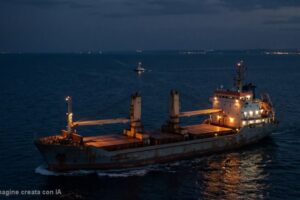
    Droni hanno colpito due navi cargo nel Mar Nero, il giorno dopo l'affondamento della Royad Mammadov, diretta a Ravenna, al largo della Romania. Una nave è affondata e il suo equipaggio risulta disperso, mentre i 18 marinai dell'altra sono stati salvati dopo un incendio a bordo.

Autotrasporto

  • Fusione miliardaria nell’autotrasporto Usa

    Fusione miliardaria nell’autotrasporto Usa

    L'accordo annunciato il 5 ottobre 2026 unisce due dei principali intermediari del trasporto stradale nordamericano, C.H. Robinson e Rxo. La chiusura è prevista nel primo semestre 2027, dopo il voto degli azionisti Rxo e le autorizzazioni regolatorie. L'obiettivo è attuare 300 milioni di dollari di sinergie annue entro due anni.

    Suspected cyberattack behind MSC Antonia container ship incident

    On 10 May 2025, the MSC Antonia became stranded in the Red Sea at Eliza Shoals, a shallow area roughly one hundred nautical miles from the coast, while sailing towards the Saudi port of Jeddah. The vessel listed to one side and efforts to free it using tugboats are still ongoing. The MSC Antonia is a 7,000 TEU container ship registered under the Liberian flag. An analysis of the ship’s navigational track prior to grounding suggests a possible cyberattack involving GPS signal spoofing.

    According to maritime intelligence company Windward, the container ship may have received false positioning signals that led it off its intended course and into shallow waters. The erratic movements recorded before the grounding are consistent with this type of interference, which is becoming increasingly common in sensitive commercial traffic zones. The vessel’s AIS track shows irregular patterns inconsistent with a normal commercial route, providing further evidence of digital manipulation of the navigation system.

    Confirmation of possible electronic anomalies also came from UK Maritime Trade Operations, which on 9 May reported severe GPS signal disruptions in the area between Jeddah and Port Sudan, in the hours immediately preceding the incident. There is also a broader context: the average distance of these “phantom displacements” caused by GPS interference has risen from around 600 kilometres in the fourth quarter of 2024 to over 6,300 kilometres in early 2025.

    This figure reflects a significant escalation in jamming techniques, with the potential to render ships’ satellite navigation systems unreliable. Ami Daniel, CEO of Windward, bluntly described the situation as a “clear and present danger” to navigational safety. Lars Jensen, industry expert and CEO of Vespucci Maritime, stressed that such attacks can no longer be regarded as remote possibilities but rather as real and increasingly sophisticated threats.

    Perhaps the most unsettling aspect is how easily spoofing technologies can now be acquired. According to the 2024 report The Great Disconnect produced by Thetius, CyberOwl and HFW, basic equipment can be obtained for under 100 dollars. If such technologies are accessible even to small groups, it is not difficult to imagine what state-backed actors with advanced engineering resources might achieve. In this context, the Red Sea is becoming an unstable testing ground, where ships can be diverted, deceived and endangered without any visible threat.

    The MSC Antonia case prompts a broader reflection on modern shipping’s reliance on centralised electronic systems that are easily targeted. Shipping companies now face a dual challenge: on one hand, the urgent need to invest in more resilient technologies capable of withstanding interference; on the other, the revival of traditional navigation skills as a backup in the event of an attack. Striking this balance is difficult but increasingly necessary.

    The geopolitical implications of the incident are equally significant. As a Windward analyst pointed out, this is not merely a technical mishap but an event laden with strategic meaning. The ability to disrupt navigation on a regional scale implies the potential to influence — or even block — trade routes vital to the global economy. In a period marked by international tensions and fragile supply chains, maritime security can no longer be separated from the protection of digital infrastructure. In the short term, tighter controls in high-risk areas and increased military patrols are likely. But in the medium to long term, the entire sector will need to rethink its tools, skills and operational standards.


    © TrasportoEuropa - Riproduzione riservata - Foto di repertorio
    Segnalazioni, informazioni, comunicati, nonché rettifiche o precisazioni sugli articoli pubblicati vanno inviate a: redazione@trasportoeuropa.it


      Puoi commentare questo articolo nella pagina Facebook di TrasportoEuropa

      bottone newsletter piccolo Vuoi rimanere aggiornato sulle ultime novità sul trasporto e la logistica e non perderti neanche una notizia di TrasportoEuropa? Iscriviti alla nostra Newsletter con l'elenco ed i link di tutti gli articoli pubblicati nei giorni precedenti l'invio. Gratuita e NO SPAM!



    CONTENUTI SPONSORIZZATI


Videocast K44

Aereo

  • La domanda di cargo aereo supera la capacità ad agosto 2026

    La domanda di cargo aereo supera la capacità ad agosto 2026

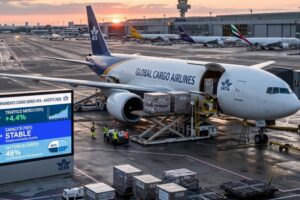
    Le rilevazioni della Iata ad agosto 2026 mostrano che il trasporto merci aereo mondiale è cresciuto del 4,4% su base annua mentre la capacità è sostanzialmente stabile, portando il riempimento al 46%. Guidano Nord America e Asia-Pacifico, arretrano i corridoi mediorientali e il cherosene sale a 157 dollari al barile.

Ferrovia

  • Duisport potenzia i collegamenti ferroviari da Trieste

    Duisport potenzia i collegamenti ferroviari da Trieste

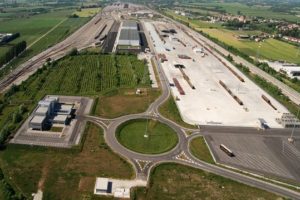
    Duisport porta a quattro le circolazioni settimanali sia sul servizio intermodale Cervignano-Duisburg sia sulla navetta tra il terminal Plt Hhla Italy e l'Interporto di Cervignano. Il servizio, gestito da +.intermodal si basa su un modello neutrale e prevede l'estensione a Wels, in Austria, dal prossimo anno.

Persone

  • L’autotrasporto veronese perde Francesco Corsi

    L’autotrasporto veronese perde Francesco Corsi

    Il 26 settembre 2026 è morto nella sua casa di Colognola ai Colli l’autotrasportare veneto Francesco Corsi. Cominciò nel 1960 con un Leoncino e l’omonima azienda Corsi, specializzata nel trasporto logistica a temperatura controllata e insediata nell'interporto Quadrante Europa di Verona.
L’elettrico Volta Zero torna allo Iaa 2026

TECNICA

L’elettrico Volta Zero torna allo Iaa 2026
previous arrow
next arrow
Parte la riforma del Codice Doganale europeo

LOGISTICA

Parte la riforma del Codice Doganale europeo
previous arrow
next arrow
Scoperta a Venezia una frode sui carburanti

ENERGIE

Scoperta a Venezia una frode sui carburanti
previous arrow
next arrow
Sanilog avvia una nuova campagna oncologica

SERVIZI

Sanilog avvia una nuova campagna oncologica
previous arrow
next arrow