



Array ( [0] => 8 [1] => 41 )

Podcast K44

Cronaca

  • Casello A14 di Riccione chiuso per autocisterna in fiamme

    Casello A14 di Riccione chiuso per autocisterna in fiamme

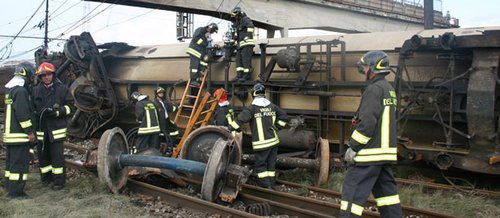
    Un'autocisterna carica di carburante si è ribaltata e ha preso fuoco nei pressi del casello A14 di Riccione nel primo pomeriggio del 18 giugno 2026, causando due feriti ma nessuna vittima accertata. Vigili del Fuoco da Rimini, Forlì e Pesaro sono intervenuti per spegnere l'incendio e gestire il traffico bloccato …

Transpotalk

Normativa

Mare

  • Noli container ai massimi da settembre 2024

    Noli container ai massimi da settembre 2024

    Il World Container Index di Drewry sui noli medi spot del trasporto marittimo di container sale del 5% nell’ultima settimana completa di giugno 2026, spinto dal transpacifico in piena tensione. Asia-Europa resta stabile ma con capacità limitata, mentre la tregua Usa-Iran allenta i rischi sullo Stretto di Hormuz senza eliminarli …

Autotrasporto

  • Schmitz Cargobull aggiorna il semirimorchio per container

    Schmitz Cargobull aggiorna il semirimorchio per container

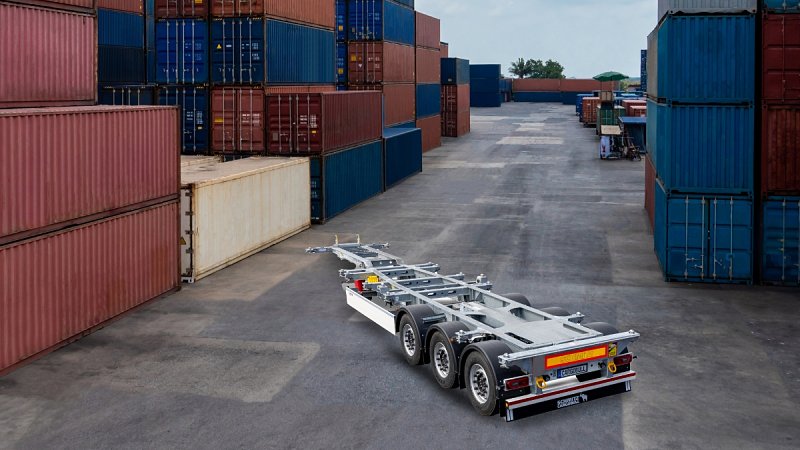
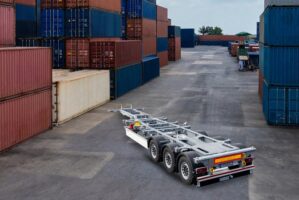
    Schmitz Cargobull rinnova il semirimorchio per container S.CF Allround 20-45 e lo presenta nel quadro dell'anteprima Iaa 2026 a Vreden, insieme a nuovi semirimorchi per il freddo, la distribuzione urbana e una strategia di riduzione del costo totale di esercizio.

    US launches procedure for tariff refunds

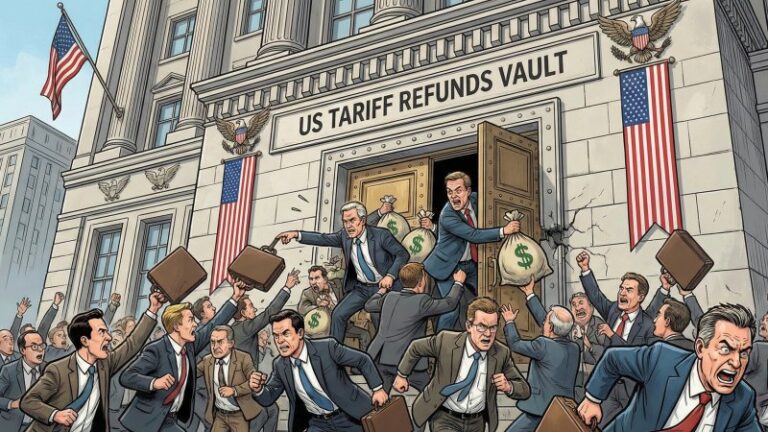
    The launch on 20 April of the US system to refund tariffs declared illegitimate by the Supreme Court opens a new front in trade relations between Europe and the United States. Up to $166 billion is at stake, which US Customs is preparing to return to importers, with potentially significant effects on supply chains linking European manufacturing, freight forwarders, maritime carriers and intermodal operators. For those managing regular flows to the United States, from containers in Northern European ports to ro-ro and air connections, the issue is not only legal or fiscal: the redistribution of these costs could reshape transport contracts, warehousing strategies and market choices in the coming months.

    The framework stems from a series of rulings that have struck at the core of the additional tariffs introduced by Donald Trump using the emergency powers of the International Emergency Economic Powers Act. The Court of International Trade has ordered US Customs and Border Protection to refund duties collected under these measures, including accrued interest, and to halt the collection of Ieepa tariffs not yet definitively assessed. At the same time, a federal Court of Appeals rejected the administration’s attempt to slow the process, making clear that the phase of delays is over and that the refund mechanism must be set in motion swiftly. Against this backdrop, Washington has announced one of the largest restitution programmes in the history of US foreign trade, expected to involve more than 330,000 importers and around 53 million shipments.

    Refunds will be handled entirely through electronic channels and the Ace digital platform, via a dedicated module called Cape, which will consolidate each importer’s outstanding positions into a single operation. Since 6 February 2026, US Customs has no longer issued cheques: all payments are made by electronic transfer, reducing collection times and making financial planning more predictable for those managing customs flows. For companies and their logistics providers, this means requests cannot be handled informally: a detailed reconstruction of submitted declarations, outstanding entries and possible matches with individual physical shipments will be required, often involving international freight forwarders and multimodal transport operators.

    The $166 billion figure comes from estimates released by official US sources and, according to data disclosed in recent weeks, refunds worth $127 billion had already been processed before the portal’s launch, indicating an administrative system moving at pace. Some analyses suggest slightly different ranges, between $130 billion and $175 billion, but the central point remains unchanged: this is a systemic rebalancing operation capable of affecting the profitability of entire supply chains and the future decisions of US companies. In this context, international transport is not a bystander: margin recoveries upstream may translate into greater room to renegotiate rates, redesign routes or invest in more resilient logistics solutions, such as alternative ports or higher value-added services.

    For logistics operators, this dynamic has translated into irregular loads, concentrated traffic surges and, in some cases, a repositioning of the port hubs used to serve the North American market. Additional tariffs have increased pressure on the margins of producers and distributors, but have also generated new requirements: consolidating shipments to improve the ratio between goods value and duty, diversifying routes to avoid congested ports, and rethinking delivery times in light of greater customs complexity. The prospect of refunds calls many of these balances into question, as it reduces part of the extra cost that had pushed some US companies to look to alternative suppliers in countries less affected by tariffs, thereby reshaping the geography of global flows.

    On the European side, trade associations and consultants are working to translate this scenario into operational guidance. Notes from Ice (Italian Trade Agency) and materials published by several specialised firms stress that the right to a refund formally belongs to the “importers of record”, often US entities or customs intermediaries, but also highlight that the economic benefit may be subject to agreements between importer and supplier.

    However, regulatory complexity remains high and does not allow for easy automation. Refund procedures are subject to tight time windows and documentation requirements, and US authorities themselves have had to temporarily suspend the start of operations to resolve technical issues reported by Customs. Moreover, the legal landscape remains fluid: the government can still attempt appeals within set deadlines, with the risk of prolonging timelines for certain segments of operators or retroactively modifying some operational conditions. In this context of uncertainty, those managing transatlantic supply chains will need to incorporate the “tariff refund” variable into their risk models, combining route and capacity planning with continuous monitoring of customs procedures.

    The refund programme comes at a time when tariffs remain a central instrument of US trade policy. Alongside the Ieepa measures set to be rolled back, other regimes remain in place, such as national security tariffs on steel and aluminium and the new universal 10% import tariff envisaged under the Trade Act of 1974, which continue to affect the cost structure of many supply chains. For the most exposed Italian industries, from automotive to mechanical engineering, from high-end agri-food to luxury, the era of tariffs is therefore not over but entering a more selective phase, where the recovery of overpaid duties must coexist with new forms of tariff pressure on other fronts. It is precisely in this transitional space that transport and logistics operators can strengthen their role as strategic providers, turning a complex customs dispute into tangible competitiveness levers for exporting clients.

    Anna Maria Boidi

    © TrasportoEuropa - Riproduzione riservata - Foto di repertorio
    Segnalazioni, informazioni, comunicati, nonché rettifiche o precisazioni sugli articoli pubblicati vanno inviate a: redazione@trasportoeuropa.it

      Puoi commentare questo articolo nella pagina Facebook di TrasportoEuropa

      bottone newsletter piccolo Vuoi rimanere aggiornato sulle ultime novità sul trasporto e la logistica e non perderti neanche una notizia di TrasportoEuropa? Iscriviti alla nostra Newsletter con l'elenco ed i link di tutti gli articoli pubblicati nei giorni precedenti l'invio. Gratuita e NO SPAM!


    CONTENUTI SPONSORIZZATI


Videocast K44

Aereo

  • Lufthansa Cargo avvia il nuovo hub merci a Francoforte

    Lufthansa Cargo avvia il nuovo hub merci a Francoforte

    Lufthansa Cargo avvia la prima fase del progetto LCCevo nell’aeroporto di Francoforte da 600 milioni di euro, che entro il 2030 trasformerà il Lufthansa Cargo Center nello scalo aereo merci più moderno d'Europa. In parallelo la compagnia lancia nuovi servizi digitali su WeChat per il mercato cinese.

Persone

Schmitz Cargobull aggiorna il semirimorchio per container

TECNICA

Schmitz Cargobull aggiorna il semirimorchio per container
Renault Trucks estende l’autonomia dei suoi camion elettrici

TECNICA

Renault Trucks estende l’autonomia dei suoi camion elettrici
Alleanza Octopus-Catl su scambio batterie per camion elettrici

TECNICA

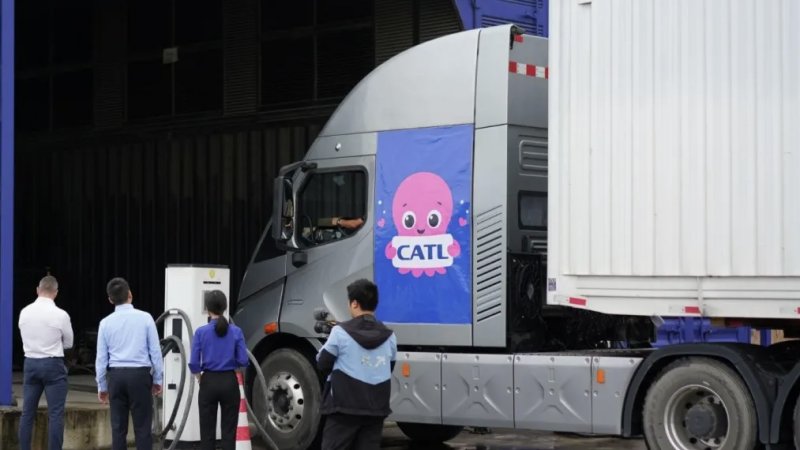
Alleanza Octopus-Catl su scambio batterie per camion elettrici
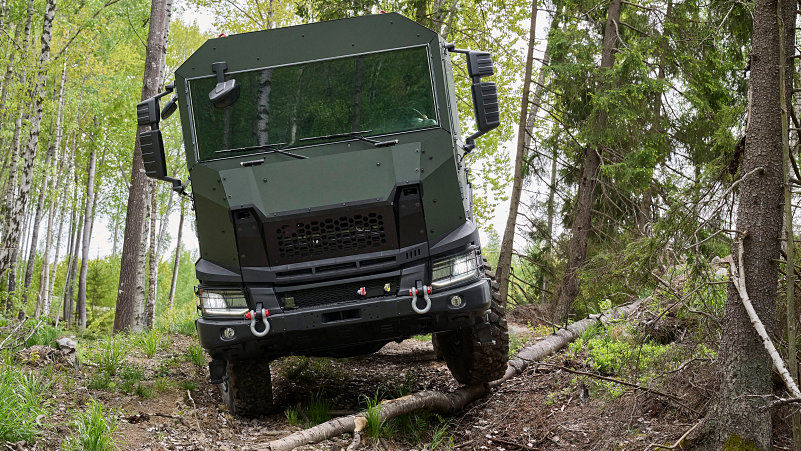
Il camion europeo si prepara alla crescita della Difesa

TECNICA

Il camion europeo si prepara alla crescita della Difesa
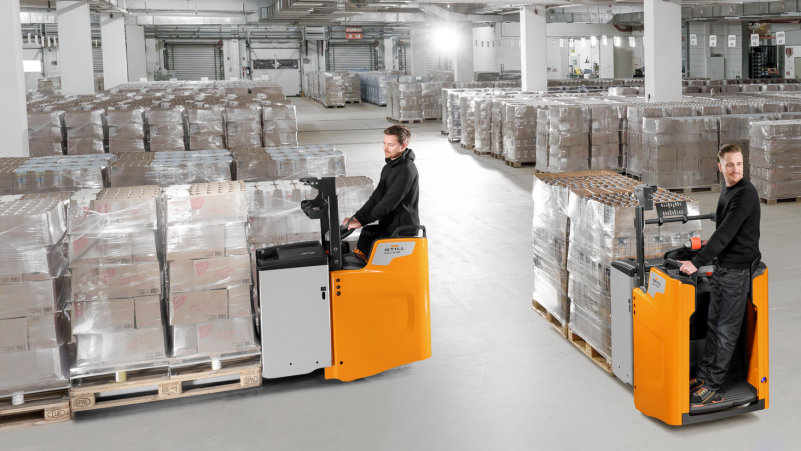
Still aggiorna quattro gamme di sollevatori e transpallet

TECNICA

Still aggiorna quattro gamme di sollevatori e transpallet
previous arrow
next arrow
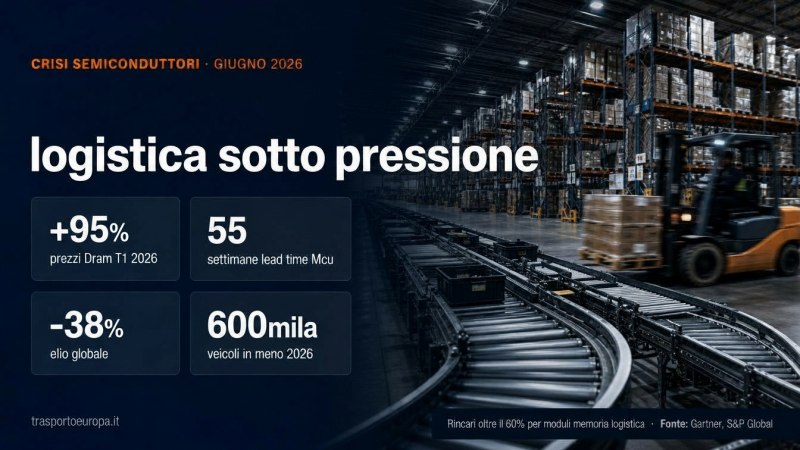
La crisi dei chip e delle memorie colpisce la logistica

LOGISTICA

La crisi dei chip e delle memorie colpisce la logistica
La Cassazione conferma la qualifica di spedizioniere-vettore

LOGISTICA

La Cassazione conferma la qualifica di spedizioniere-vettore
L’interporto di Trieste chiude il 2025 con utili record

LOGISTICA

L’interporto di Trieste chiude il 2025 con utili record
El Niño 2026 minaccia anche la logistica

LOGISTICA

El Niño 2026 minaccia anche la logistica
Liguria ospite d’onore al China International Supply Chain Expo 2026

LOGISTICA

Liguria ospite d’onore al China International Supply Chain Expo 2026
previous arrow
next arrow
Gasolio agricolo sui camion, cinque arresti in Puglia

ENERGIE

Gasolio agricolo sui camion, cinque arresti in Puglia
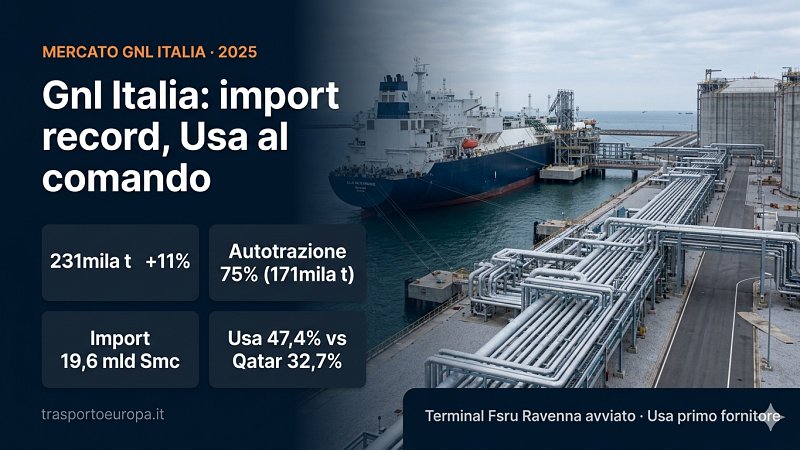
Il Gnl cresce in Italia ma rallenta nell’autotrasporto

ENERGIE

Il Gnl cresce in Italia ma rallenta nell’autotrasporto
Fiap avverte che una causa sul cartello carburante è prematura

ENERGIE

Fiap avverte che una causa sul cartello carburante è prematura
Bruxelles approva il regime italiano da 23 miliardi per le rinnovabili

ENERGIE

Bruxelles approva il regime italiano da 23 miliardi per le rinnovabili
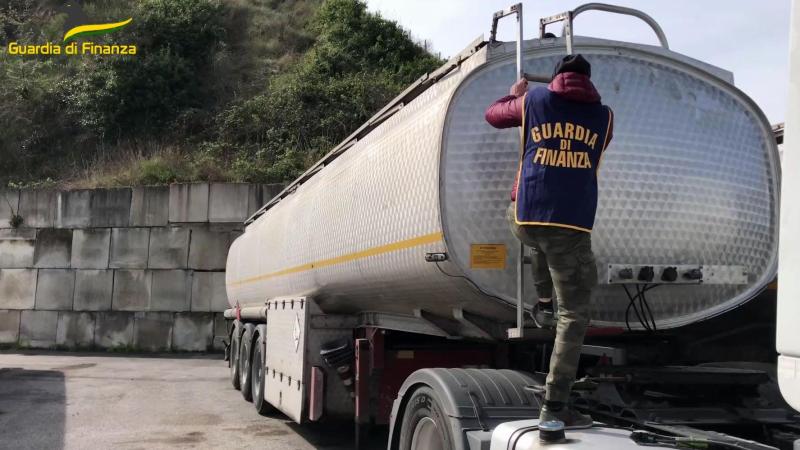
Operazione Red Gold contro frode nei carburanti in Abruzzo

ENERGIE

Operazione Red Gold contro frode nei carburanti in Abruzzo
previous arrow
next arrow
La logistica è tra le attività più colpite dai ciberattacchi nel 2025

SERVIZI

La logistica è tra le attività più colpite dai ciberattacchi nel 2025
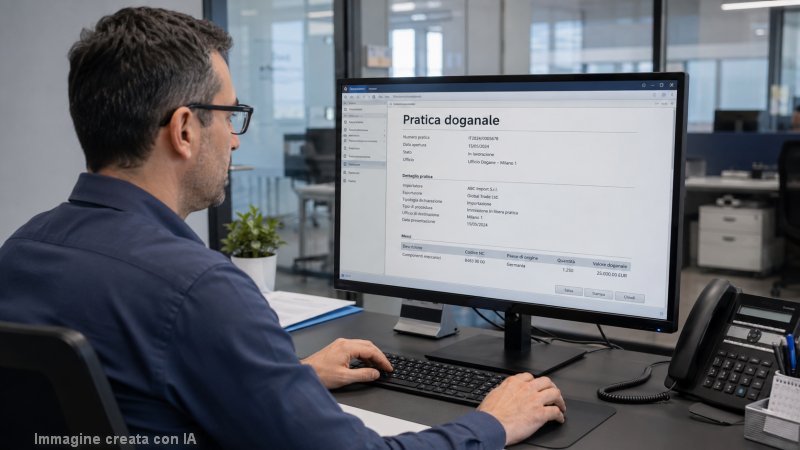
Il rischio Dogana non è più solo amministrativo

SERVIZI

Il rischio Dogana non è più solo amministrativo
Sicurezza certificata da Tapa nella borsa carichi Trans.eu

SERVIZI

Sicurezza certificata da Tapa nella borsa carichi Trans.eu
Due attentati a Sicily by Car con fuoco e kalashnikov

SERVIZI

Due attentati a Sicily by Car con fuoco e kalashnikov
L’innovazione di Geotab punta su sicurezza e Pmi

SERVIZI

L’innovazione di Geotab punta su sicurezza e Pmi
Gaston Schul cresce nelle spedizioni genovesi con Parodi Forwarding

SERVIZI

Gaston Schul cresce nelle spedizioni genovesi con Parodi Forwarding
L’Italia è molto esposta nel cibercrimine nel trasporto e logistica

SERVIZI

L’Italia è molto esposta nel cibercrimine nel trasporto e logistica
Carta DKV per ricaricare il camion elettrico

SERVIZI

Carta DKV per ricaricare il camion elettrico
Video | Dkv al Transpotec oltre la carta carburante

SERVIZI

Video | Dkv al Transpotec oltre la carta carburante
Zucchetti presenta una logistica digitale integrata software e robot

SERVIZI

Zucchetti presenta una logistica digitale integrata software e robot
Golia360 punta sulla digitalizzazione per gli autisti

SERVIZI

Golia360 punta sulla digitalizzazione per gli autisti
Come la logistica può guadagnare dalle multe Antitrust

SERVIZI

Come la logistica può guadagnare dalle multe Antitrust
Tra Genova e Barcellona l’asse della formazione per la logistica

SERVIZI

Tra Genova e Barcellona l’asse della formazione per la logistica
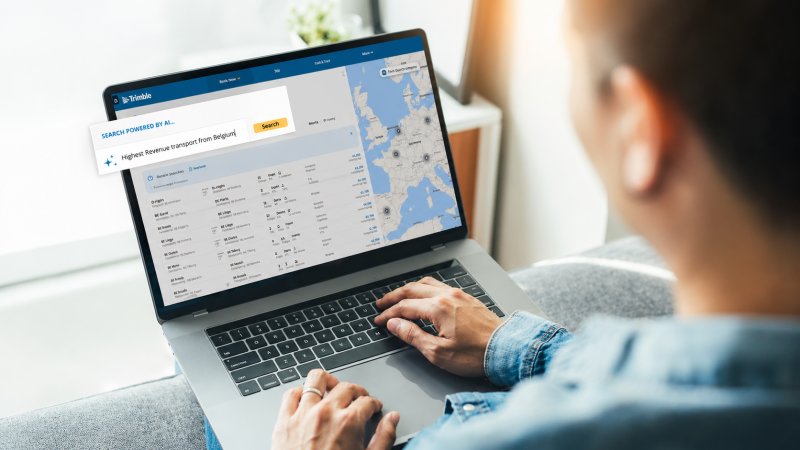
Transporeon introduce la ricerca con l’intelligenza artificiale

SERVIZI

Transporeon introduce la ricerca con l’intelligenza artificiale
Nasce Synlog Alliance consorzio dati per la logistica

SERVIZI

Nasce Synlog Alliance consorzio dati per la logistica
previous arrow
next arrow