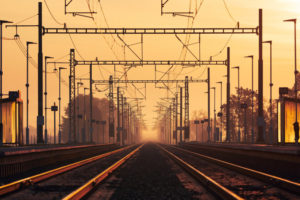



The Guardia di Finanza from the provincial commands of Udine and Verona has seized around 64,000 litres of automotive diesel transported in rail wagons and evading excise duties. The operation was carried out as part of economic surveillance activities across the territory and along major railway lines, with particular focus on fraud in the energy products sector. It involved several tank containers loaded on freight trains running along the rail corridors between Friuli Venezia Giulia and Veneto.
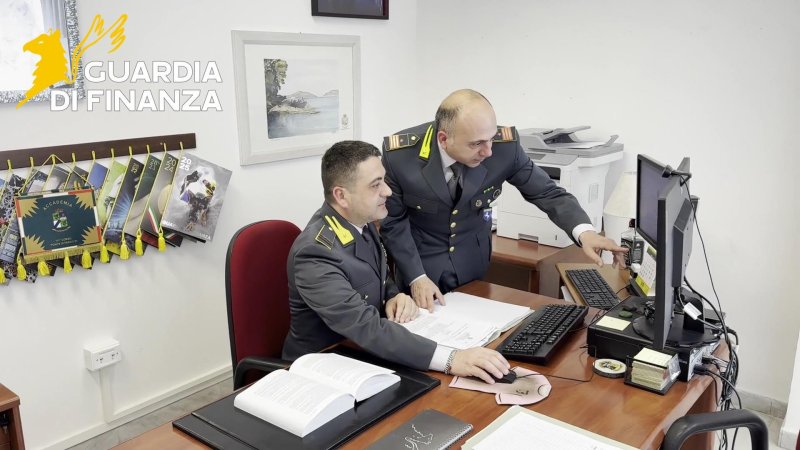
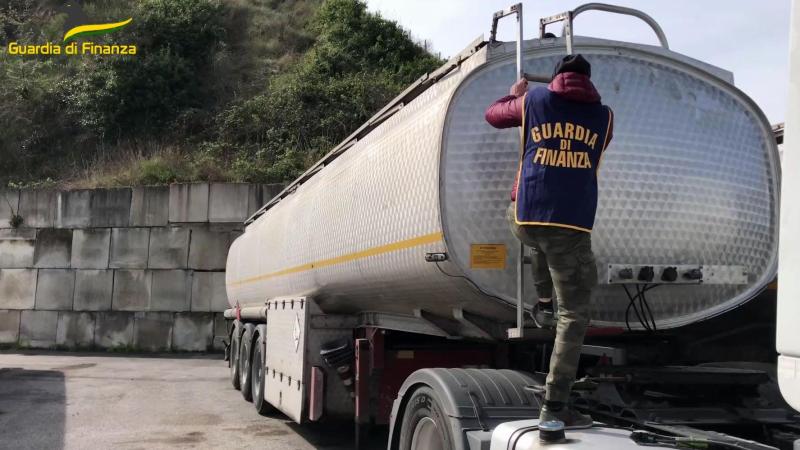
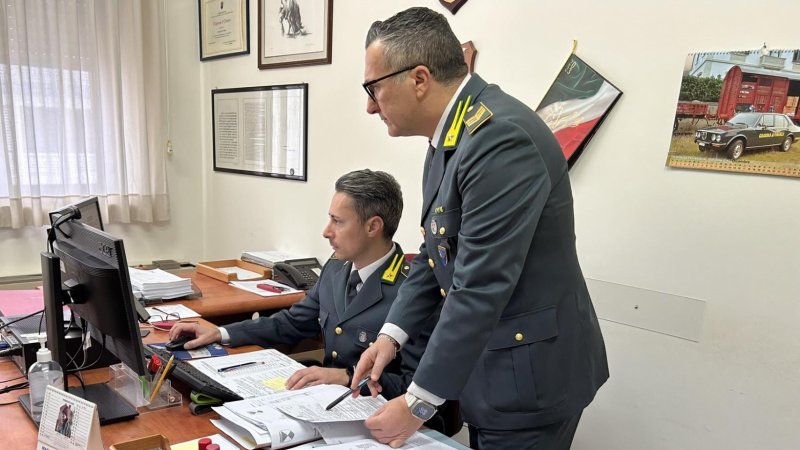
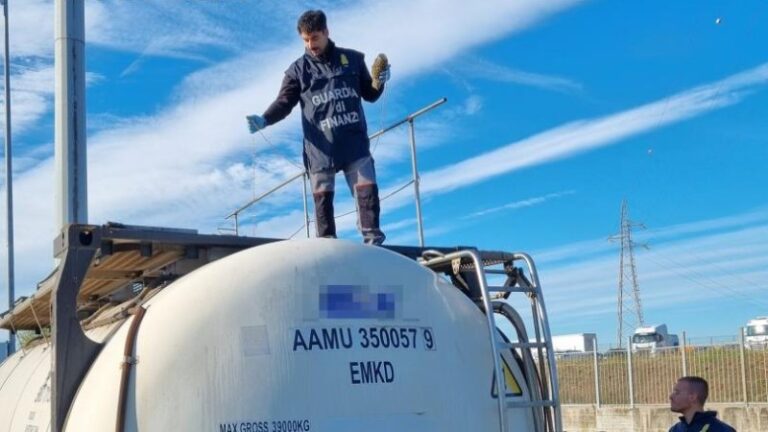
The inspection was conducted by officers from the Udine Economic and Financial Police Unit, with support from colleagues in Verona. During the checks, officers selected several tank wagons used to transport chemical substances and bound for southern Italy. Attention focused on two containers accompanied by documentation deemed anomalous or incomplete. The accompanying paperwork generically indicated the presence of "lubricating oil" originating from Eastern Europe and destined for an unidentified Bulgarian client. However, the documents also indicated a delivery location in Italy, prompting further investigation. The inconsistencies between the declared nature of the product, the formal recipient and the actual destination led officers to open the tank containers and carry out technical checks on their contents.
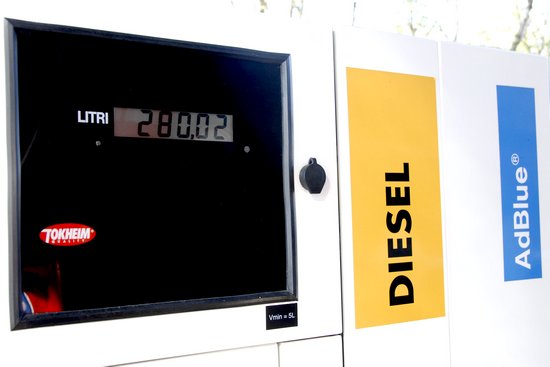
Analysis confirmed that the liquid being transported was not lubricating oil but diesel suitable for automotive use. This is known as Designer Fuel, namely diesel classified under different commodity categories to avoid the tax regime applied to fuels intended for road use. This false classification appears to have been used to evade excise duties. The cargo, amounting to approximately 64,000 litres, was seized and investigations are ongoing to identify those responsible and reconstruct the commercial chain intended to bring the fuel onto the Italian market. Investigators are working to identify the actual importer, any logistical intermediaries and the final recipients of the goods.
The case highlights a less visible but significant aspect of illegal fuel trafficking: the use of railways and intermodal corridors as smuggling channels. The train was heading towards southern Italy along a route used for freight flows from Eastern Europe. In this context, tank containers allow the movement of large volumes of liquids, often with generic documentation that can make immediate identification of the product more difficult. The complexity of international logistics chains and the passage through rail and intermodal hubs are among the factors exploited by smuggling networks. Classifying diesel as lubricating oil enables the use of different commodity codes, with tax treatment that does not reflect the product’s actual end use.